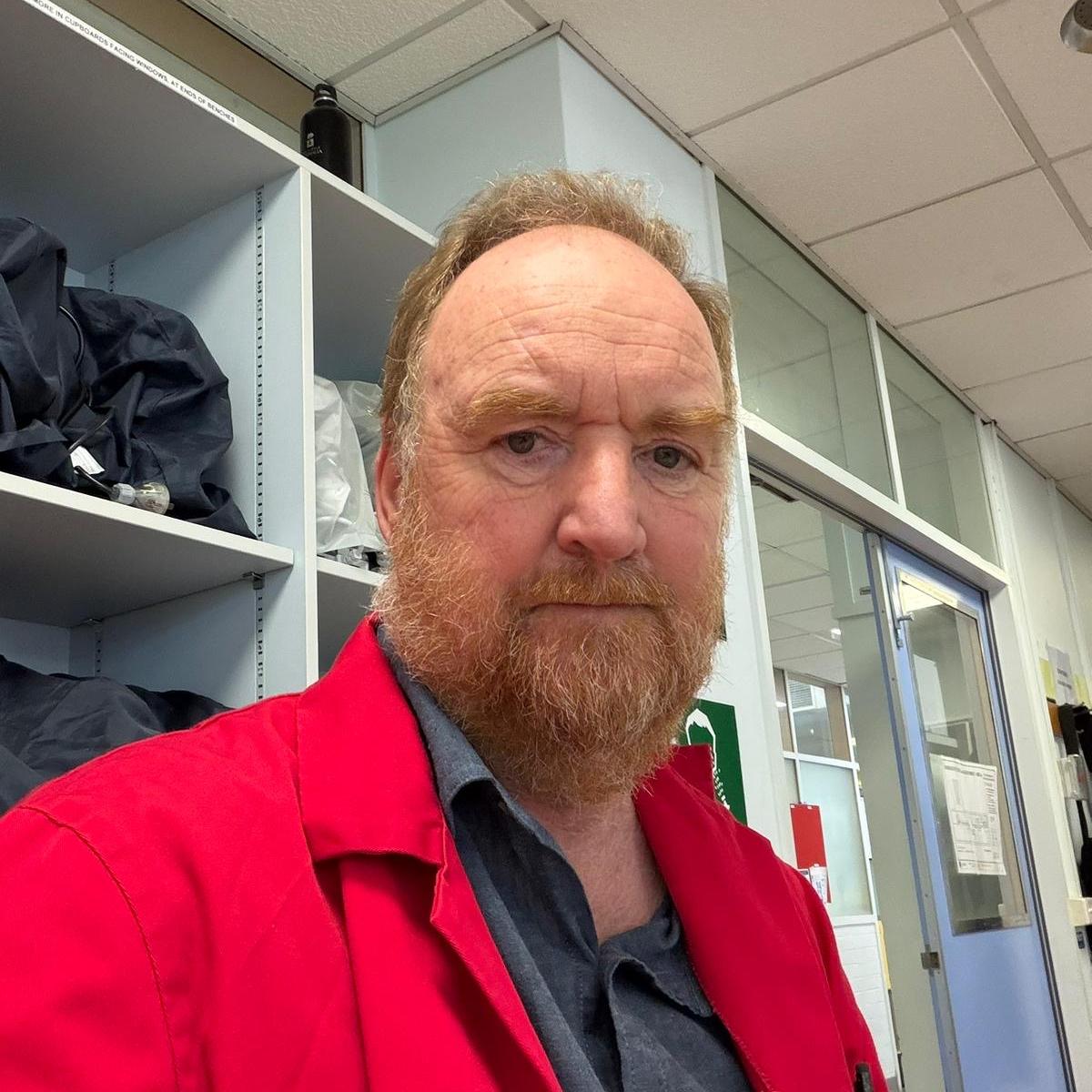
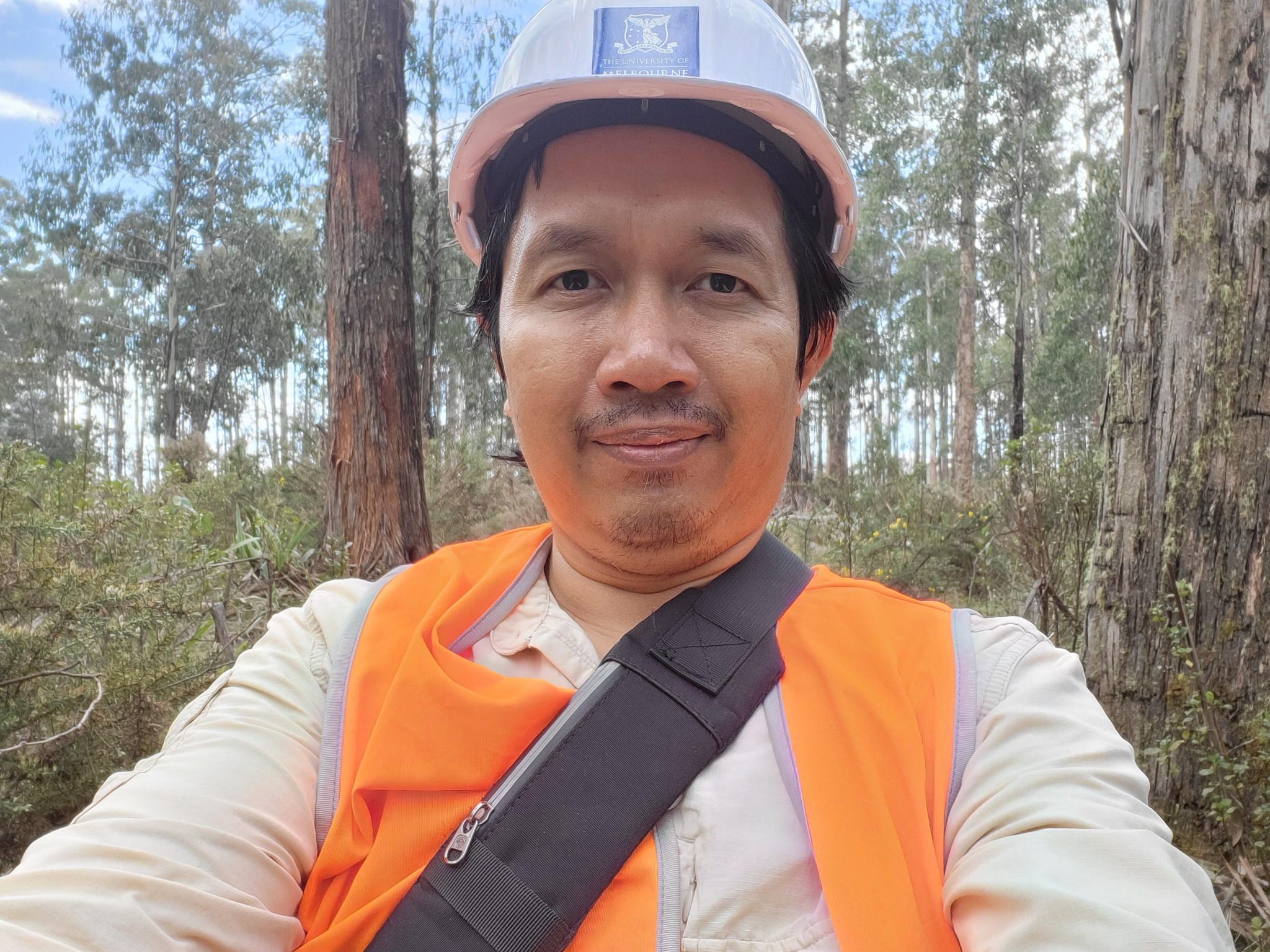
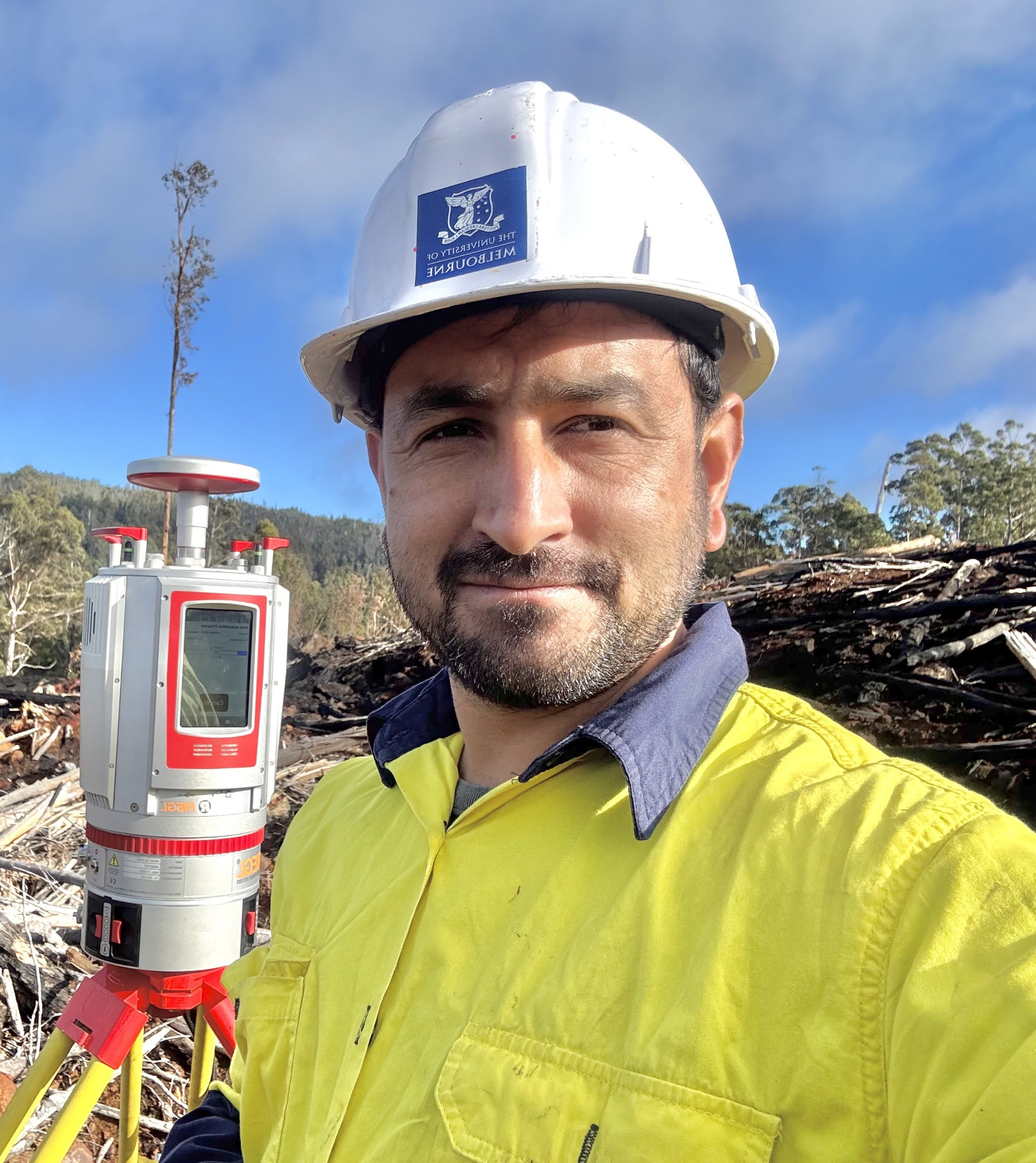
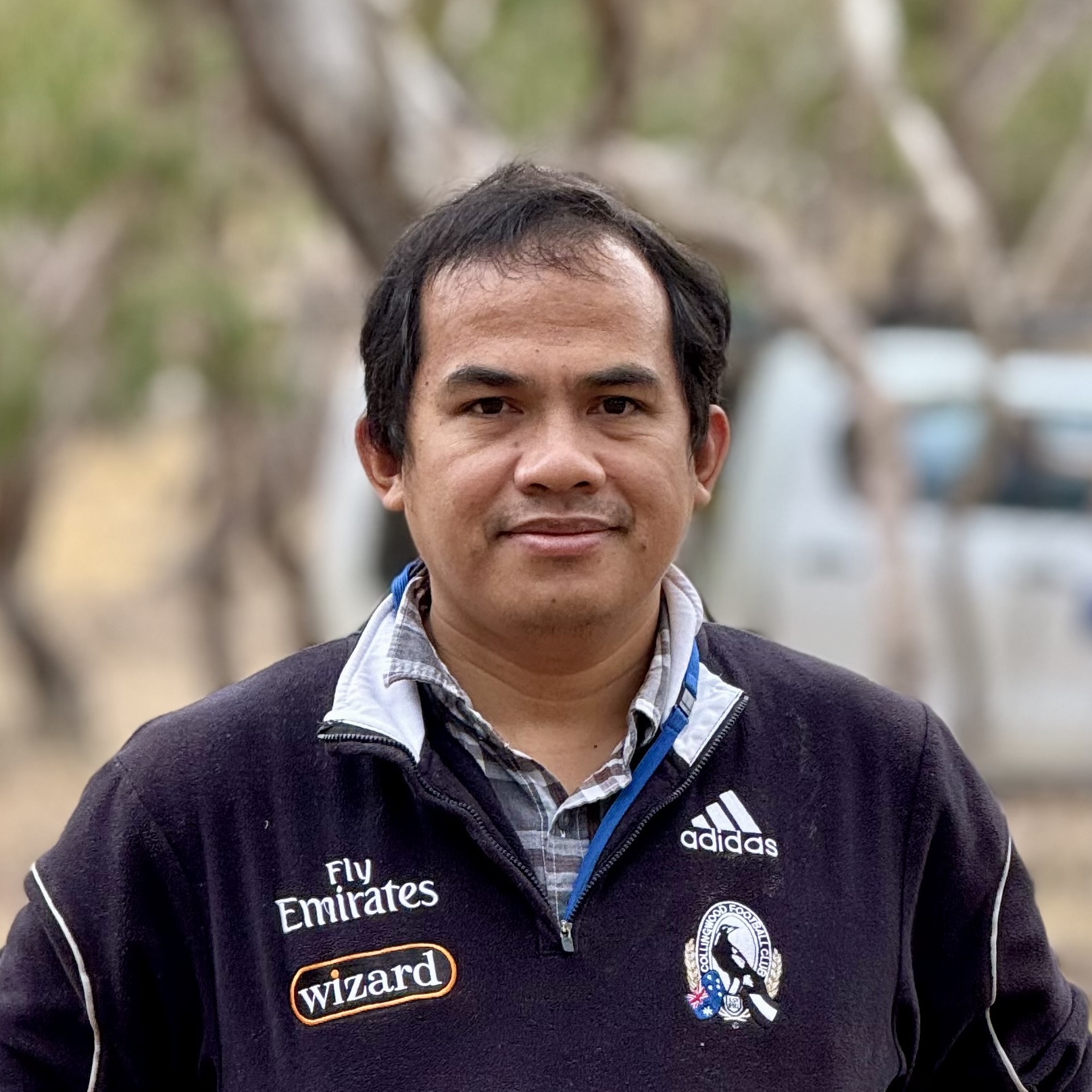
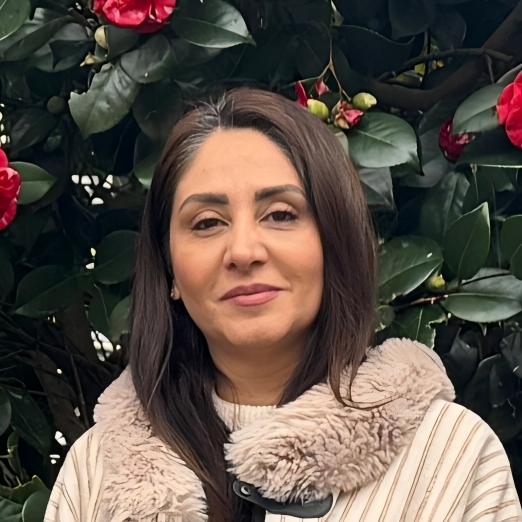
Academics and researchers in the Wana research group.
Academic staff
A/Prof Luba Volkova
Luba is an ARC Mid-Career Industry Fellow, leading a national project titled “Smouldering Coarse Woody Debris for Smoke and Carbon Emissions Predictions: Dynamics, Distribution, and Combustion Efficiency.” With over 15 years of research and field experience, her work spans diverse ecosystems—from the temperate forests of south-eastern Australia and the savannas of northern Australia to the tropical peatlands of Indonesia. Her research focuses on understanding the impacts of fire on forest carbon, bushfire fuels, and greenhouse gas emissions. Luba serves as a Technical Expert for the United Nations Framework Convention on Climate Change (UNFCCC), specializing in greenhouse gas emissions and inventories for the Agriculture, Forestry and Other Land Use (AFOLU) sector, as well as REDD+ (Reducing Emissions from Deforestation and Forest Degradation and sustainable forest management) for non-Annex I Parties under the International Consultation and Analysis (ICA) process.
lubav@unimelb.edu.au +61353214306
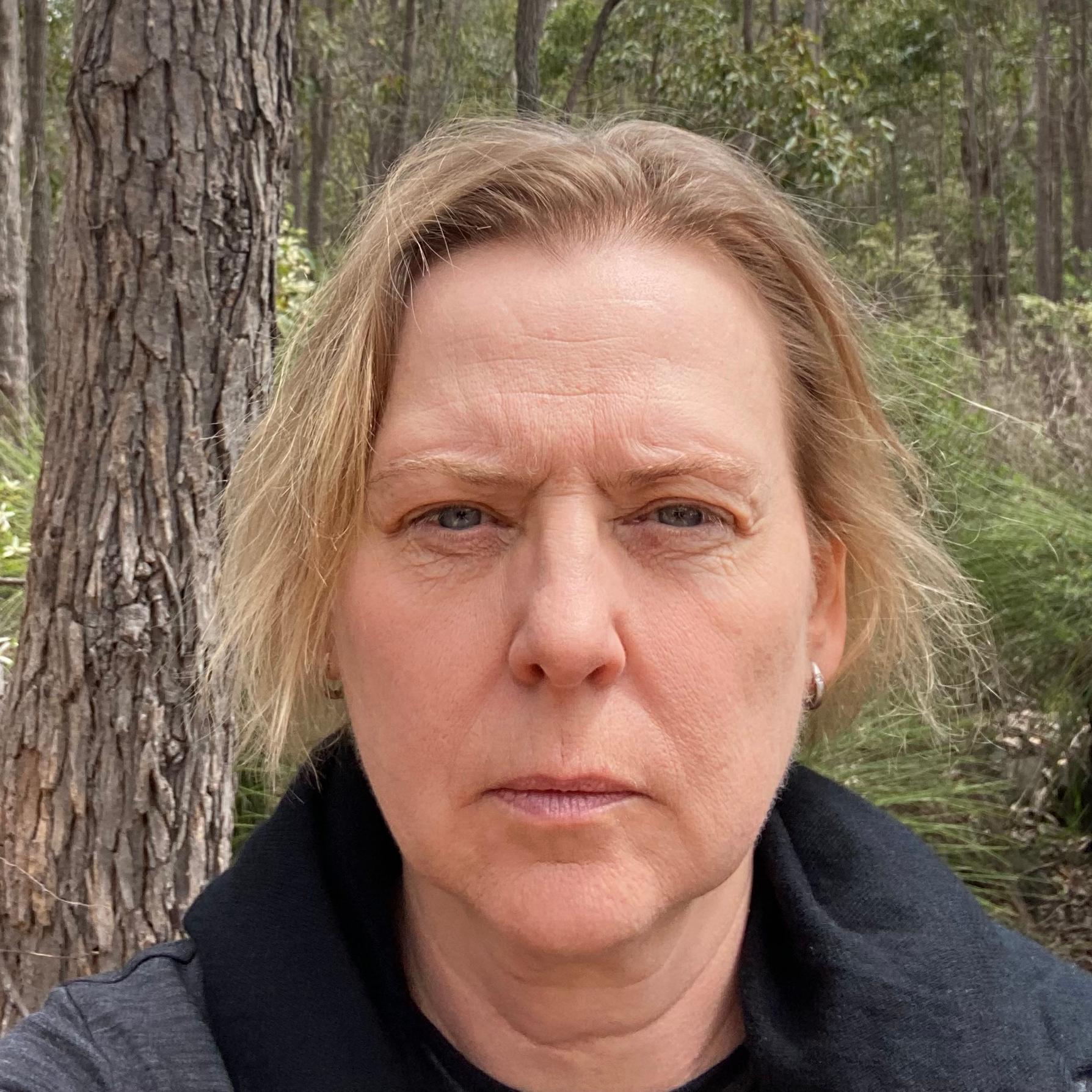
A/Prof Christopher Weston
Chris is an ecosystem ecologist whose research focuses on forest net productivity, nutrient and carbon cycles. Current areas of research include fire effects on forest carbon balance, black carbon formation and impact of climate change on forest fuel accumulation and structure.
weston@unimelb.edu.au +61353214103Graduate researchers
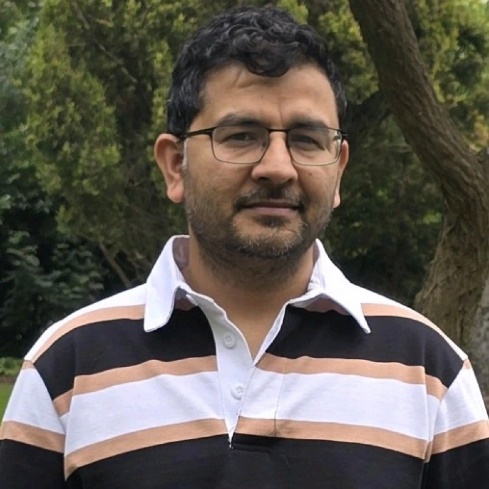
Hari Laudari
Hari Krishna Laudari is a PhD candidate investigating the impacts of grazing on carbon in arid and semi-arid ecosystems, with a particular focus on woodlands and shrublands. His research examines how climatic and other environmental factors influence grazing effects on ecosystem carbon, using a mixed approach, meta-analysis and field measurements. He has an interest in modelling long-term grazing impacts using the FullCAM model in Australian dryland woodlands, and in monitoring biocrusts through unmanned aerial vehicles (UAVs) and field observations. Hari completed a Master of Forest Ecosystem Sciences at the University of Melbourne in 2016. He brings over a decade of professional experience from Nepal, where he worked on climate change, REDD+, and forestry initiatives.
Minhas Hussain
Minhas’s doctoral research focuses on improving the detection, structural mapping, and quantification of coarse woody debris (CWD) in box ironbark forests using remote sensing. He evaluates multiple platforms including terrestrial (TLS) and airborne laser scanning (ALS) and high resolution UAV photogrammetry against field measurements to assess accuracy and scalability in volume estimation. A part of his research also focuses on post clearfell slash burn environments to model variable fuel loads and residue patterns more precisely. Minhas completed his master’s degree in Forestry at National Chung Hsing University, where his research focused on estimating biomass and carbon storage in Konishi fir (Cunninghamia konishii Hayata) plantations.
Shuqiao Zhang
Shuqiao Zhang researches disturbance history and fire susceptibility in alpine ash forests, with experience in ecological monitoring across grasslands and tea and lacquer forests. His interests focus on forest ecology and management.
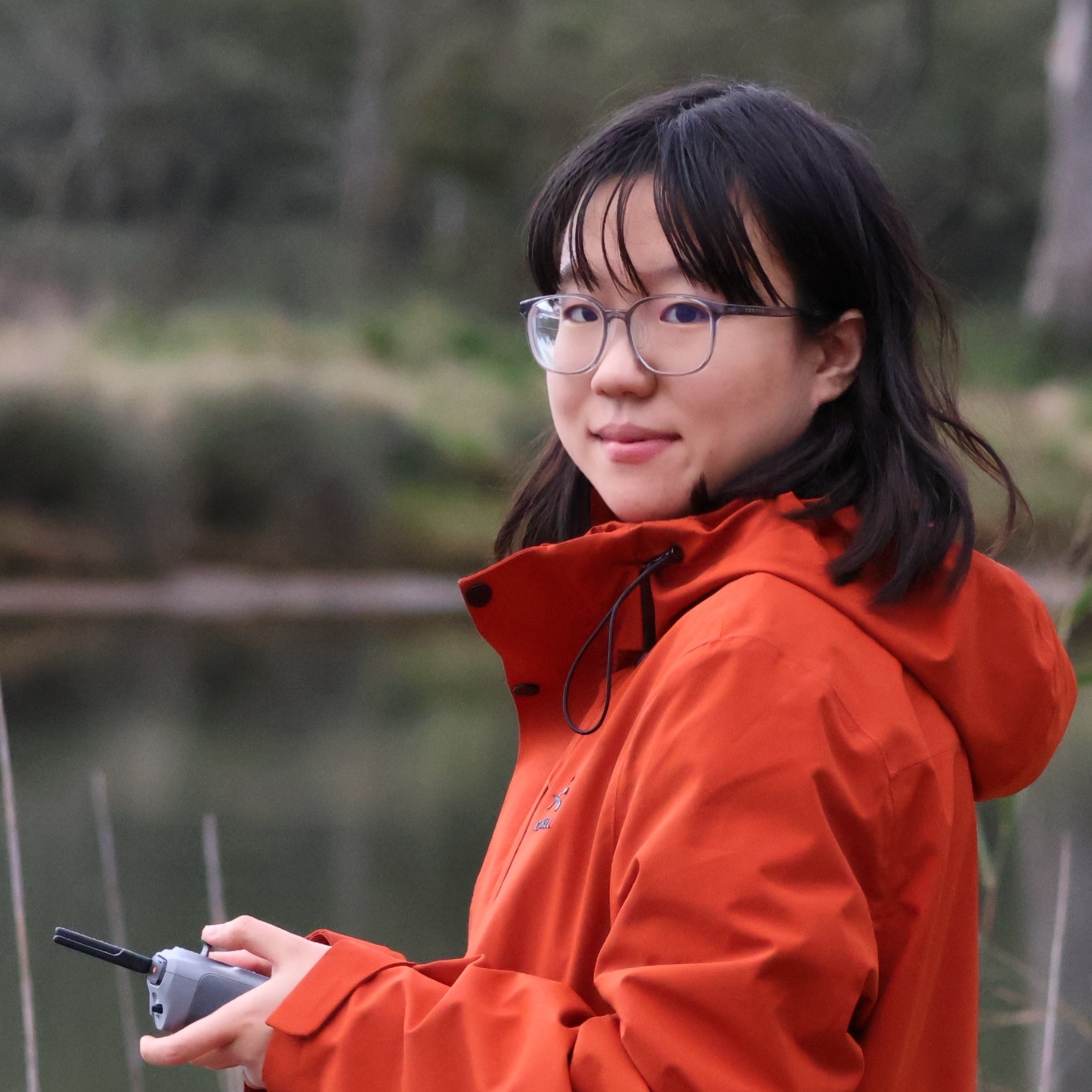
Wenxin Zhou
Wenxin Zhou is a PhD candidate who investigates the comprehensive impacts of changing environments—including aridity, livestock grazing, and climatic variability—on the structure and function of global dryland ecosystems. By integrating satellite remote sensing, model simulations, and field survey-derived global databases, her work particularly focuses on identifying non-linear dynamics and threshold responses within ecosystem components and their complex interactions. Wenxin earned her Master’s degree from Beijing Normal University (China), where she researched the effects of vegetation restoration, grazing, and aridity on dryland ecosystems across China.
Puguh Raharjo
Alumni