Current Projects
-
Australian cities are increasingly grappling with complex sustainability challenges due to natural disasters and extreme weather events. Urban green spaces (UGS) play a vital role in addressing these challenges and fostering resilient communities. They offer numerous environmental and health benefits, such as flood mitigation, microclimate regulation, cooling effects, and support for residents' mental and physical well-being. As climate change escalates, effective management of these green spaces is essential to enhance their performance and resilience against natural hazards.
The Resilient Urban Greenspaces project is creating freely available guides for planning, planting, designing, and managing resilient green spaces to reduce the risks of extreme heat, flood, and fire. These guides are designed to support anyone engaged in creating and managing UGS, and help local governments establish targets to improve both existing and new urban green spaces, enhancing community safety, amenity, and overall well-being.
-
The Repurposing Urban Construction Waste to Create Diverse Wildflower Meadows project is an ARC Linkage project.
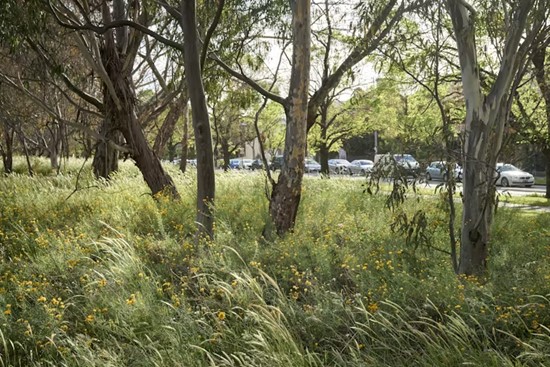
Native grasslands are stunning, but rare, features of our urban landscapes because most native wildflowers cannot cope with the high soil nutrients associated with managed urban green spaces.
This project aims to develop a novel process for establishing native wildflower meadows in treed urban parks by repurposing low nutrient mineral waste from the construction industry. A key aspect of the project is understanding the response of native trees to importing surface substrates and establishing a native grassland below them.
It will have multiple benefits including restoring urban biodiversity, increasing people's mental well-being, developing new markets for recycled construction waste and reducing the amount of waste going to landfill.
This project builds on the fantastic platform that Dr Katherine Horsfall demonstrated in her native meadow restoration research in the City of Melbourne's iconic Royal Park.
Past projects
-
This project explored the relationships between urban trees, the people that live near them and the wildlife that use them for habitat and resources. It was a close collaboration with the City of Melbourne, City of Merri-bek and Ballarat City Council and led to new insights into how local community view and value their urban forest.
We took a mixed-methods approach combining social research and ecological research methods at the same sites, at the same time. A true socio-ecological research framework. We measured what people think, and what wildlife does, before and after trees are removed from an urban landscape (park or street)
There were hundreds of intercept surveys or people in the parks and streets of interest, thousands of online panel surveys of residents throughout Greater Melbourne and regional centres (Ballarat, Geelong, Bendigo).
We combined these with ecological surveys of birds, possums, bats and ‘plasticine caterpillars’ 😉 to understand how their behaviour and numbers changed with tree removal from a site.
This is one of the most successful ARC Linkage projects I have been involved with and the vast number of outputs associated are testament to that – as is the way this has help our local government partners better manage community expectation and satisfaction with trees in their neighbourhoods.
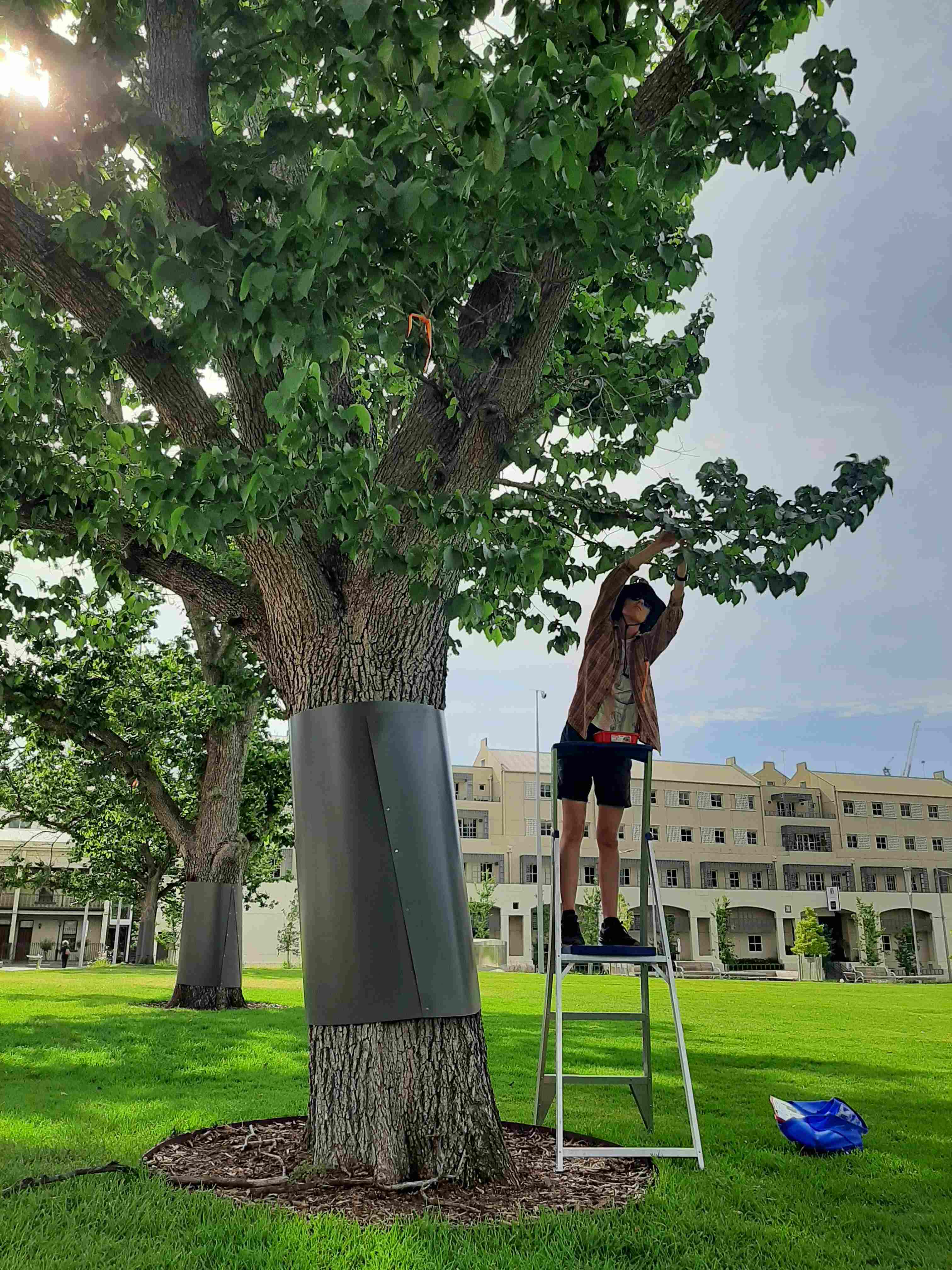
Jess Baumann (RA) up a ladder in University Square tending to her plasticine caterpillars
Researchers: Livesely SJ, Ordonez CB, Kendal D, Threlfall C, Fuller R, Hochulli D, Van der Ree R, Davern M, Baumann J and Sonkilla C.
Research institutions: University of Melbourne, University of Tasmania, University of Queensland and the University of Sydney.
-
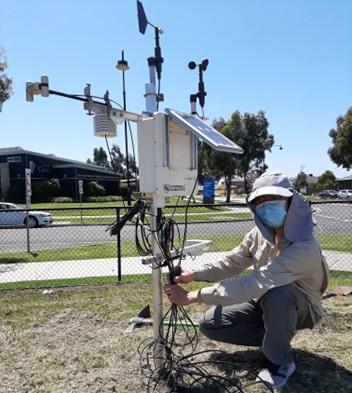
Aquarevo is a residential development in the southeastern suburbs of Melbourne as a partnership between Villawood and South East Water. There are more than 450 homes that that all embrace cutting-edge, water-sensitive and energy-efficient principles. The main demonstration home is the Aquarevo home, an 8-start energy efficient property. South-east water enlisted Stephen Livesley, Kerry Nice and Paul Cheung to develop smart irrigation technology based upon climate and soil sensor technology. In addition, we were tasked with installing and quantifying the cooling benefits of misting a small courtyard.
This project not only involved community engagement within the Aquarevo estate, but also the local Lyndhurst Primary School where Paul installed a second (control) climate station to monitor non-smart irrigation of green space.
The learnings from this project and the larger PhD project of Paul Cheung have led to a water sensitive residential landscape guideline developed by the CRC Water Sensitive CIties and Southeast Water.
-
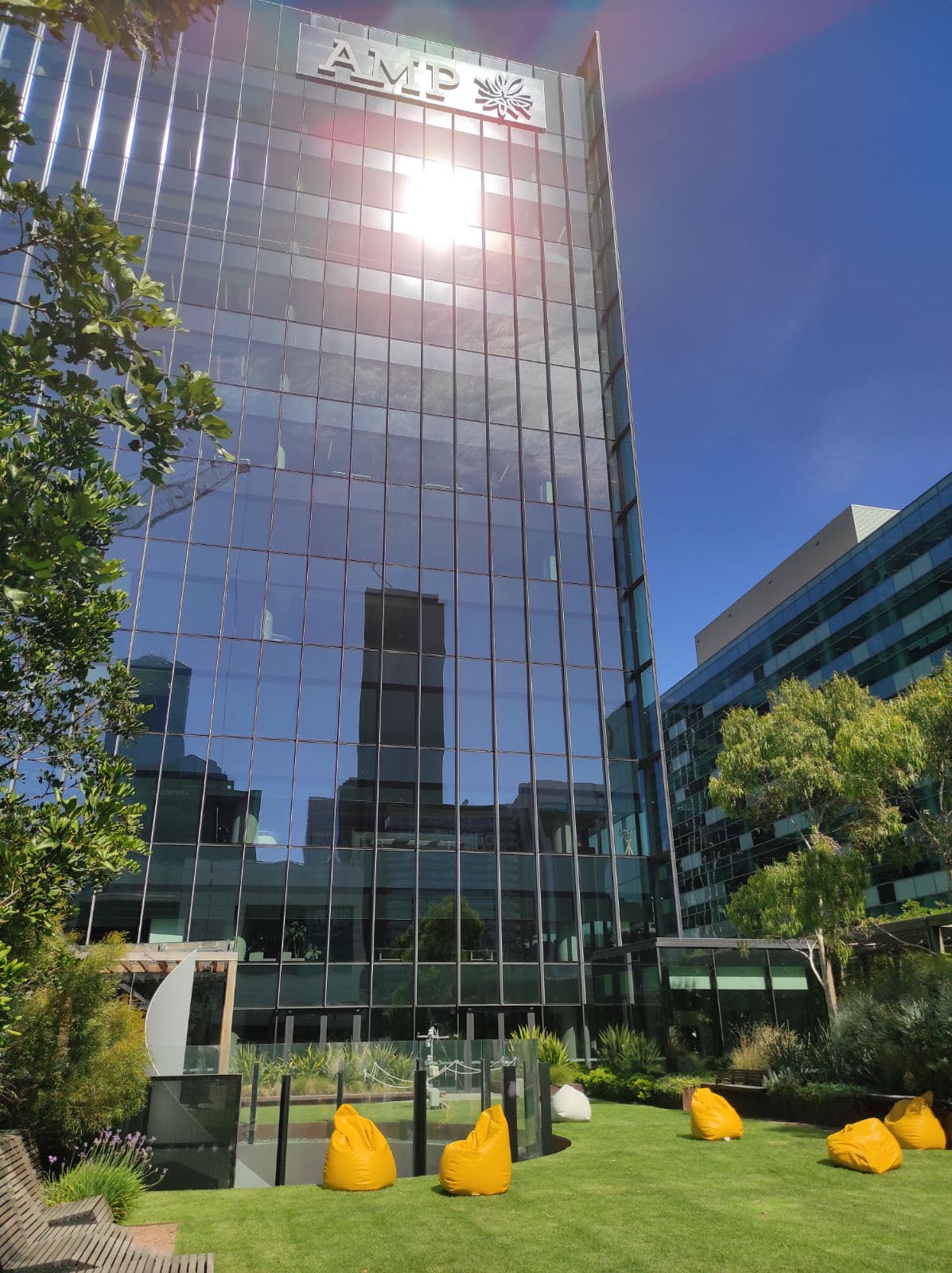
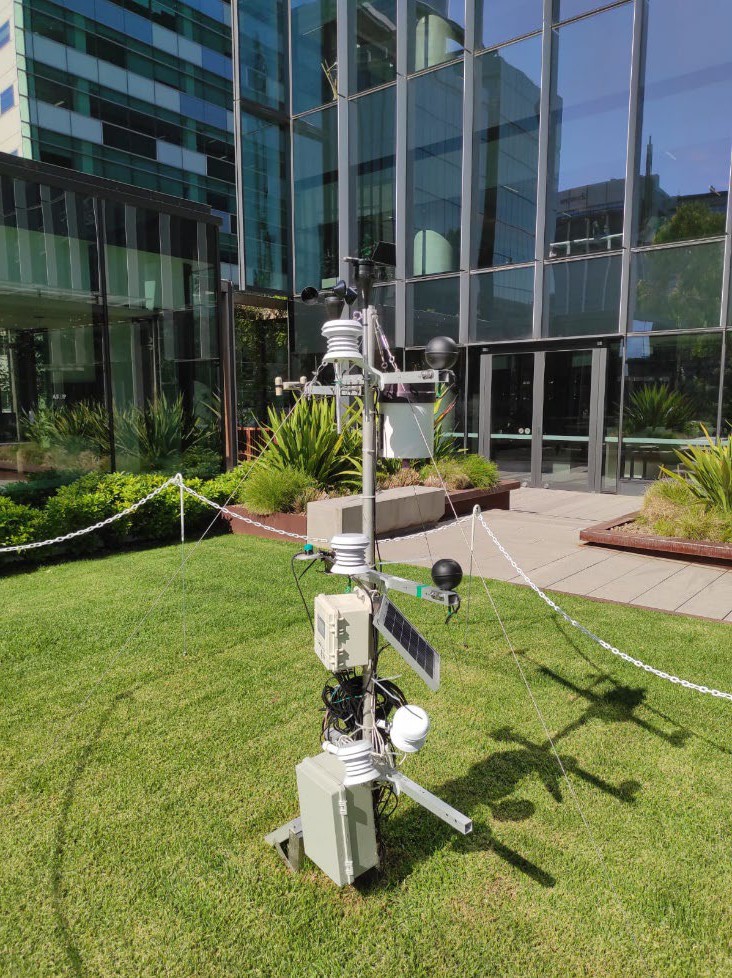
This project seeks to understand the cooling effects of an irrigated green roof and solar reflection or shading from surround skyrise buildings. It was started by a City of Melbourne Demonstration green roof project that again had to pivot in response to COVID 19 access issues. In January 2022 we set up an intensive one-month measurement campaign – in the height of summer. Sky Park is near Southern Cross Station in the Melbourne Quarter, Docklands. Sky Park is an elevated green roof above Collins Street covering nearly 2,250 m2 and set to increase in size as development continues.
The solar reflection that Sky Park receives at certain times of day in summer may lead to human thermal discomfort, but the construction of a new high-rise tower may offset this with greater shading. This will be studies through a repeat measurement campaign in January 2024.
Researchers: Andrea Pianella, Stephen J. Livesley, Christopher A. Jensen, Paul Cheung