Academic staff
Prof Stephen Livesley
Research themes: Urban Trees and Urban Forestry
sjlive@unimelb.edu.auDr Chris Szota
Chris has a background in plant ecophysiology, nutrient uptake and drought tolerance. He currently researches green infrastructure technologies that prevent polluted stormwater from degrading waterway ecosystems, whilst improving urban liveability. One focus is understanding the urban water balance and stormwater use through increased plant evapotranspiration.
cszota@unimelb.edu.au +61390356919Dr Mohammad Rahman
Mohammad’s research interests lie in plant physiology and the accurate estimation and predictive modeling of tree growth, cooling effects, shading, air quality improvements, and runoff reduction within urban ecosystems. The implications of future climate change on tree growth and physiology are a focus.
mohammad.a.rahman@unimelb.edu.auGraduate researchers
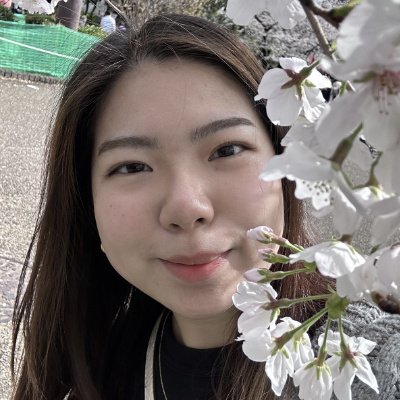
Theresa Lam
Investigating the source, transport and control of small microplastics in streetscapes and stormwater systems in Greater Melbourne. Theresa is passionate about understanding and addressing microplastic (MP) pollution in urban environments. Her research explores the sources of MPs in transport corridors and how they move from surface dust, into the air and into stormwater.
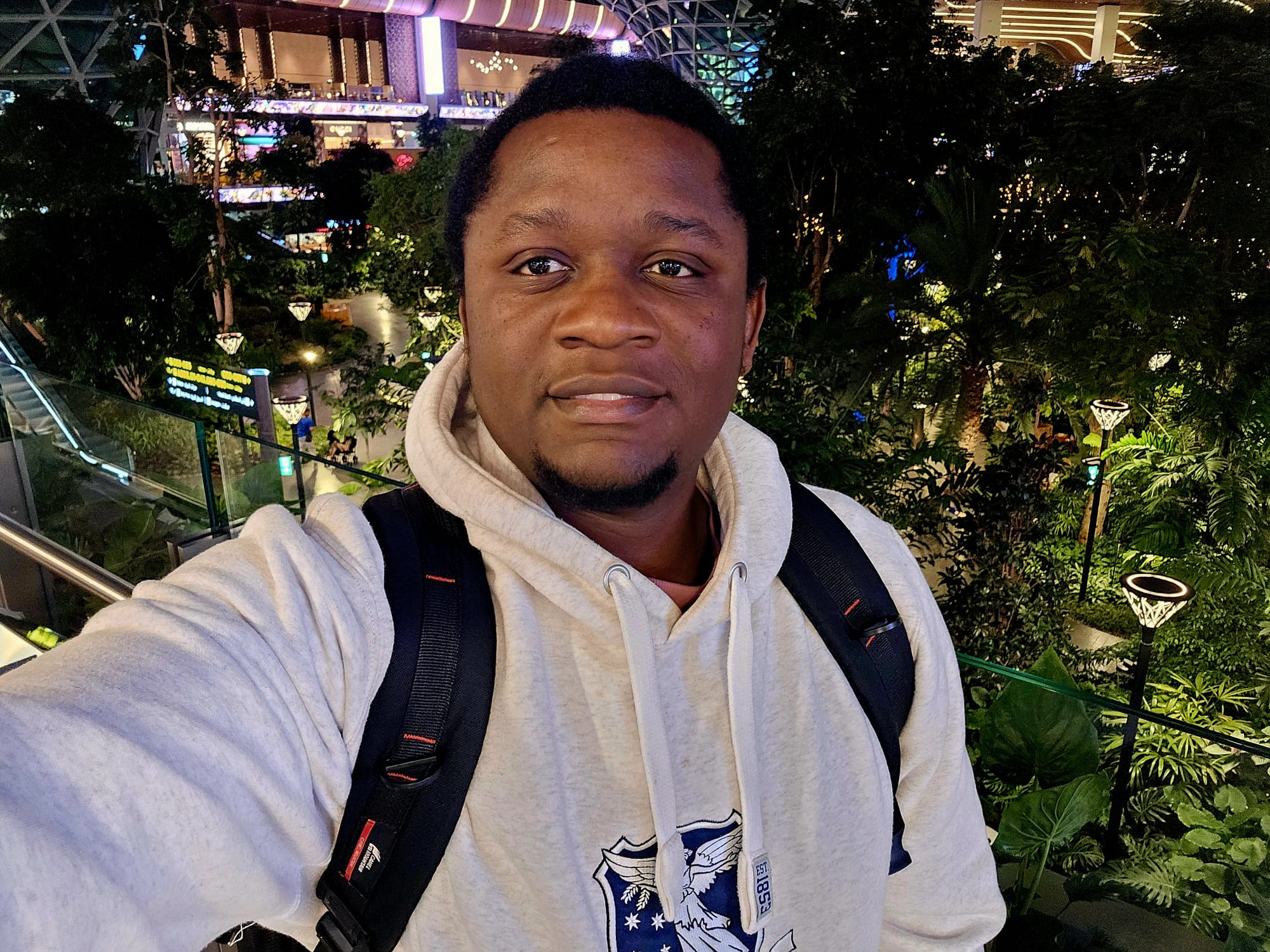
Simon Mkasimongwa
Simon William Mkasimongwa researches the health impacts of multi-pollutant air pollution exposure in Sydney and Melbourne. He is developing a multi-pollutant air quality health risk communication tool for Australia. Simon aims to improve public understanding of air pollution risks and support evidence-based environmental health policy.
Amanda Rifqa
My research investigates the multisensory effects of the urban streetscape environment on pedestrians’ psychological and physiological restoration. It explores how urban vegetation, nature, noise, heat and the built environment influence the restorative outcomes of walking. My research will develop streetscape planning strategies to optimize restoration benefits in the everyday spaces of urban residents—the street.
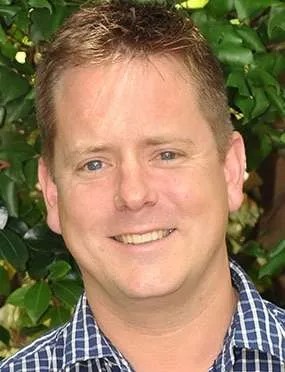
Cameron Ryder
Cam’s research examines how root disturbance affects urban trees to inform Australian Standard AS4970: ’Protecting Trees on Development Sites’. It combines a 15-year review of tree retention with experimental and long-term studies on root cutting and tree response. The aim is to improve root management practices, supporting urban tree survival and canopy cover.

Rebecca Du
Many urban tree species are vulnerable to increasing drought, heat or waterlogging stress associated with climate change. Rebecca’s thesis explored whether grafting could change morphological or physiological leaf traits and thereby increase eucalypt tree tolerance to drought or waterlogging. Rebecca also explored whether leaf traits of young urban trees can be used to predict the stress tolerance of mature urban trees.
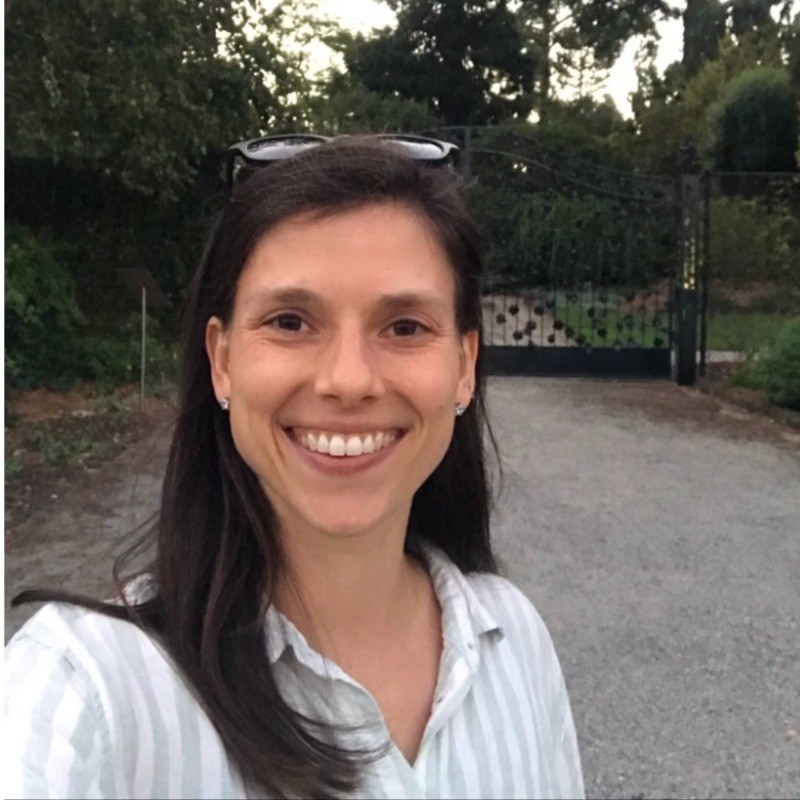
Patricia Torquato
Patricia measured and developed crown expansion models for common urban tree species using remotely sensed data to predict future urban forest canopy cover. Based on crown growth and rainfall sensitivity Patricia also studied the vulnerability of different urban tree species to rainfall changes. Patricia’s thesis investigated whether tree planting strategies in new greenfield suburbs could achieve 30% canopy cover.