The Animal and Meat Science research group has a unique skillset covering a broad range of applied and fundamental research skills in a range of species, including pigs, poultry, dairy cattle, sheep, beef cattle and goats.
Our specific areas of research include:
- Understanding the physiology of heat stress and developing methods to mitigate such negative effects
- Assessment of novel nutritional supplements to modify animal production
- Insects as an alternate protein source
- Interpretation of metabolic and hormonal responses to nutritional and environmental challenges
- Robotic dairy cattle production systems
- Understanding fundamental metabolic pathways of efficiency and nutrient partitioning
- Investigating the role of the gut in animal health and production
- Reducing greenhouse gas emissions
- Development of novel food products
- Maintaining product quality and consumer health
- Use of in vitro models to assess ruminant feed quality
- Using genetic markers to select for thermal tolerance
- Development of innovative tools to assess and improve meat quality
- Methods to increase the value of feed grains
- Use of animals as a model of metabolic syndrome
- Employing DXA technology to measure tissue deposition in farm animals
- The use of novel technologies to monitor animal production, health and growth.

In vitro characterisation of ruminant feeds and supplements
In vivo assessment of production animal responses to increased ambient temperature.
Using our state-of-the-art production animal climate chambers for pigs, poultry or small ruminants we can conduct studies examining:
- Comprehensive measurements of physiological and metabolic responses in animals
- The impact of different diets or supplements on animal growth, production and health
- Individual animal feed and water intake.
Contact information
Please email us for more information or to work with us.
- Monogastric animals – Dr Jeremy Cottrell
- Ruminants – Dr Surinder Chauhan
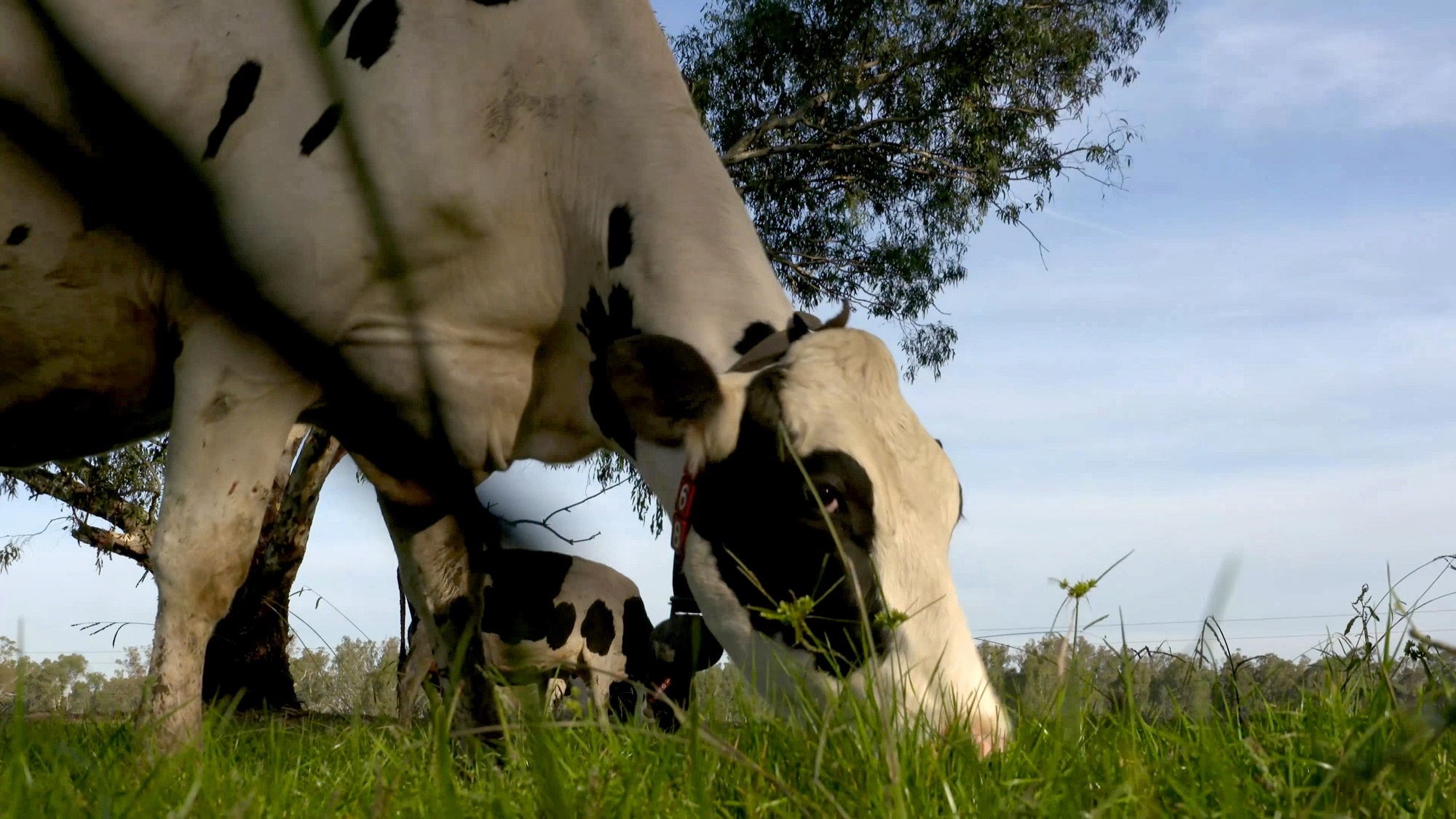
In vivo assessment of feed supplements in production animals (dairy cattle, sheep, pigs, poultry)
In vitro assessment of ruminant feeds (including forages, supplements and grains etc.) to assess feed quality.
Using the Ankom in vitro fermentation system, our analysis can provide information on:
- Total gas production
- Rate of fermentation
- pH
- Additional analysis including methane, ammonia and individual VFA production analysis
This information allows for feed quality to be assessed in established or novel feeds. Groups of feeds can also be compared and ranked based on fermentation qualities.
Contact information
Please email Dr Kristy DiGiacomo for more information or to work with us.

Climate-controlled production animal studies
The Animal Production group can provide a comprehensive in vivo assessment of feeds, supplements or complex diets in multiple species.
The Animal Production team can provide comprehensive information regarding feeds and/or supplements in production animals. Using research facilities, in conjunction with the Dookie farm as required, we can provide in-depth assessments of feeds including information such as:
- Individual or group animal intake
- Growth rates and efficiency
- Milk production and milk quality in dairy cattle
- Digestibility
- Biomarkers of efficiency including hormones and metabolites
- Assessment of tissue deposition (in live animals or meat) using DXA technologies
- Additional measures available on request.
Contact information
Please email us for more information or to work with us.
- Monogastric animals – Dr Jeremy Cottrell
- Ruminants – Dr Kristy DiGiacomo
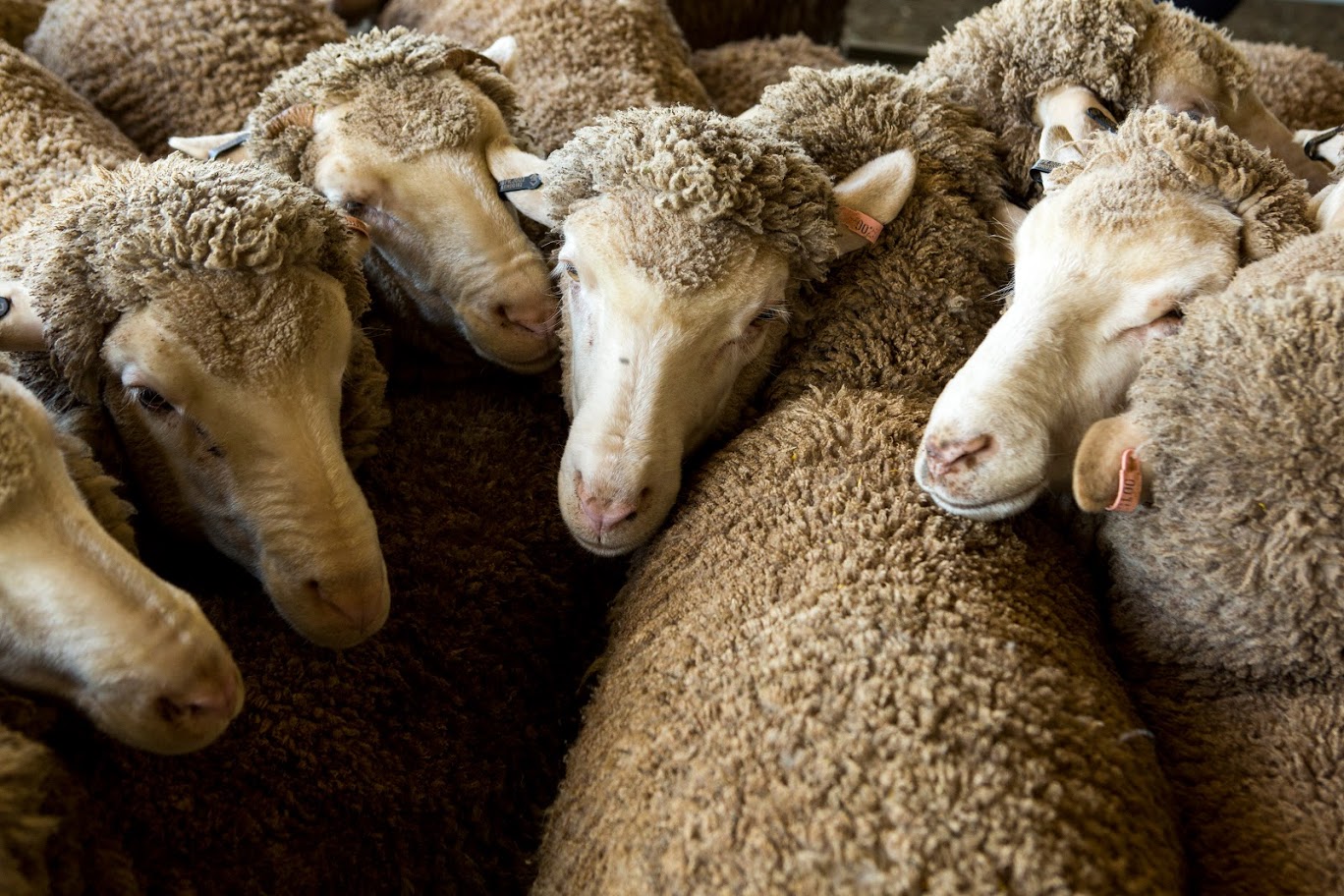
Rumen metagenomics and enteric methane emission reduction
Profiling rumen microbiome and assessment of nutritional interventions to reduce enteric methane emissions.
Using our state-of-the-art sheep production facilities and climate chambers, we can conduct studies to:
- Assess the impact of heat stress on rumen microbiota
- Evaluate the ruminal microbial community diversity on different diet and temperature regimen by metagenome profiling
- Assess the effect of various feed types/additives on the methanogenic population in sheep.
Contact information
Please email Dr Surinder Chauhan for more information or to work with us.