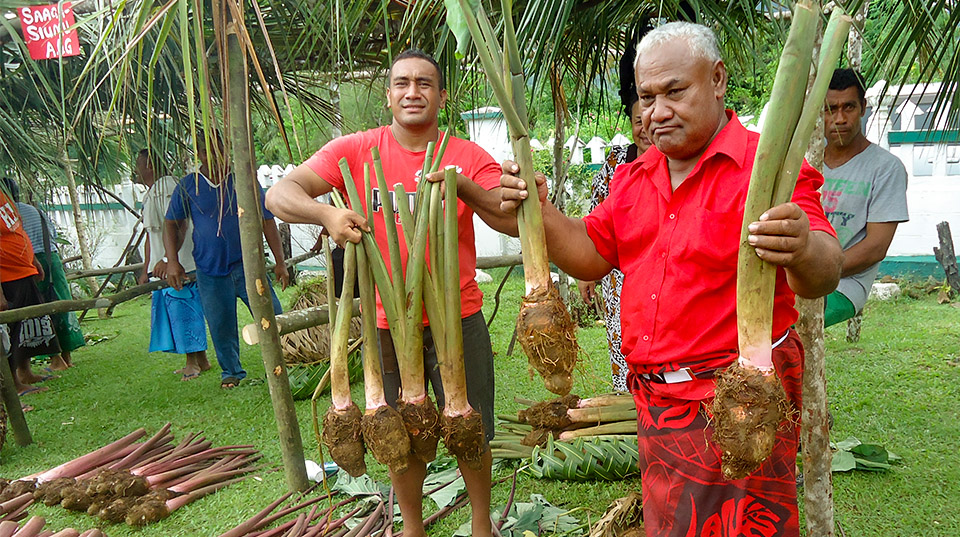
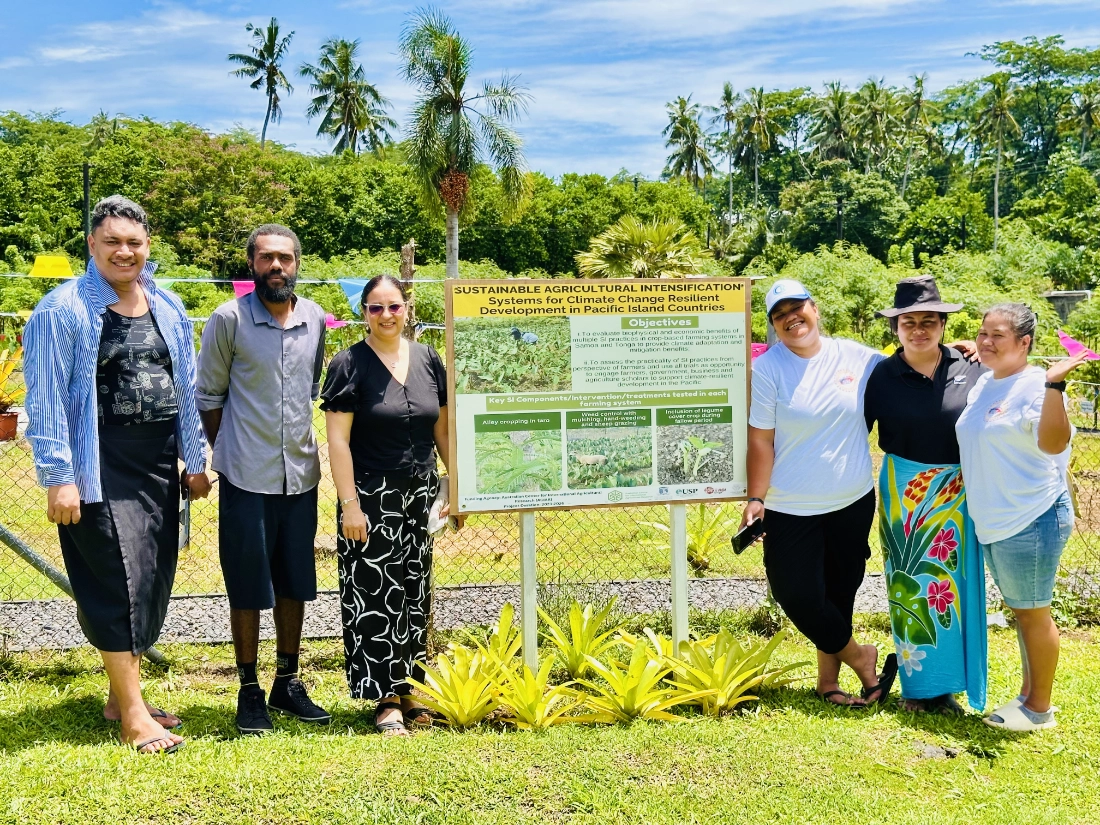
The project (CLIM/2020/186) aims to evaluate the biophysical and economic benefits of multiple SAI practices in crop-based farming systems in Samoa and Tonga.
The project promotes dialogue among farmers, governments, businesses, and scholars to assess the feasibility of SAI for climate-resilient agricultural development in these countries. Expected main outcomes include understanding the benefits of SAI components, identifying practical approaches, and addressing barriers to SAI implementation, including gender considerations. Moreover, the project seeks to enhance research methods, strengthen farmer support, and foster partnerships to effectively implement SAI practices. Ultimately, the project will strengthen tailored SAI practices, promoting resilience and productivity in the face of the challenges posed by changing climates in Pacific Island countries.
Currently, each country has a mother site, where replicated trials are conducted by experienced in-country researchers to rigorously evaluate SAI practices. In parallel, baby sites are farmer-managed, non-replicated trials that enable the testing and adaptation of these practices under real farm conditions, supporting wider adoption and local relevance.
Samoa
Mother site
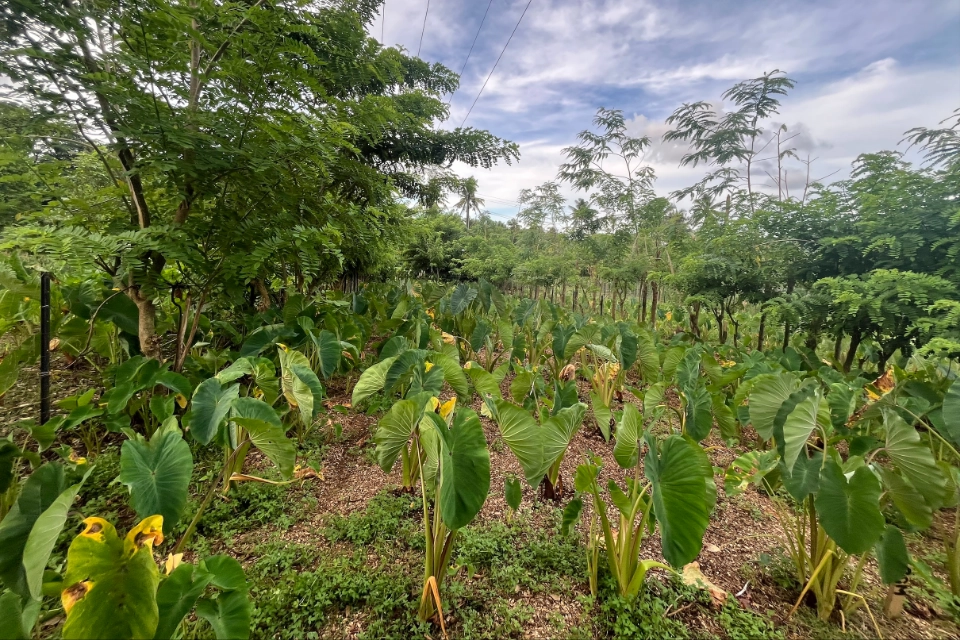
Location: University of the South Pacific (USP), Samoa
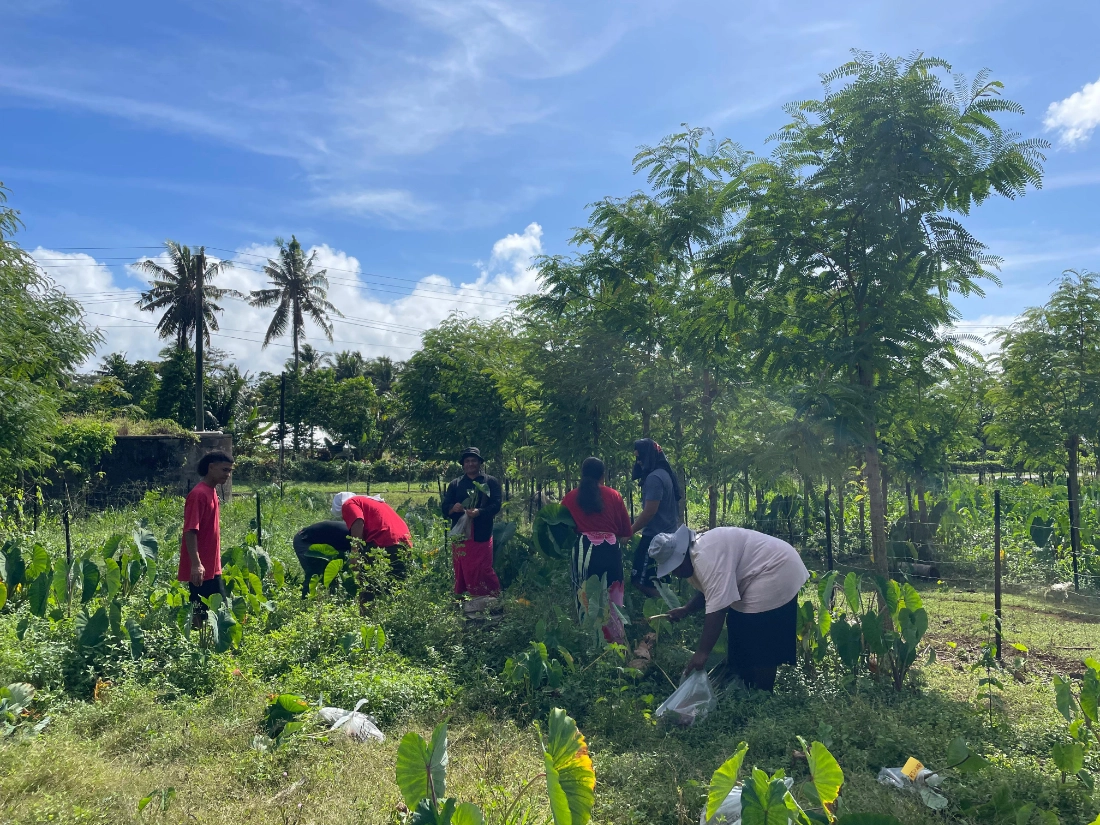
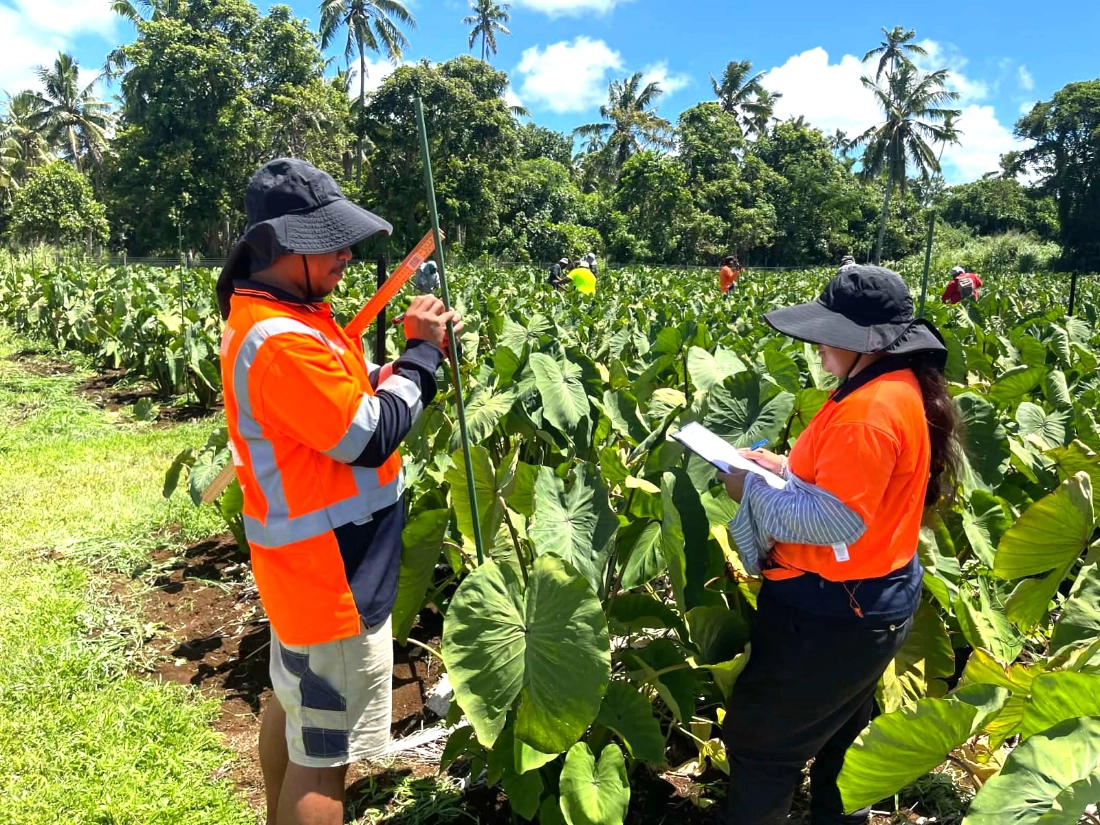
To date, three cropping cycles have been conducted, and the site is currently in its third. The research focuses on evaluating the impacts of integrated nature-based practices. The integrated practices aim to enhance soil quality, reduce weed pressure, and improve overall system productivity and resilience.
Baby sites
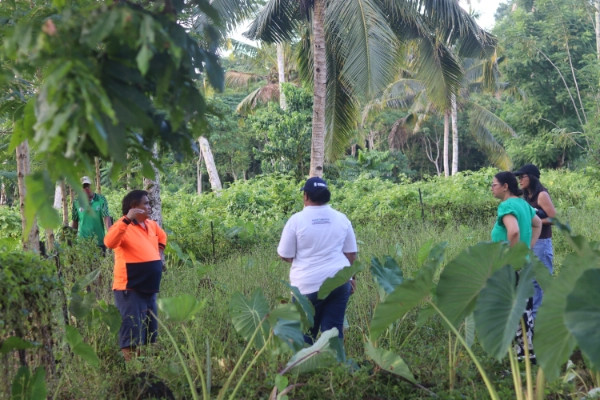
Location: Aleisa
Sala Sagato’s experience:
“Weed killers used to cost me a lot of money and took too much time, and they often didn’t even work properly. This project introduced practices that I could easily adopt without changing my usual farming methods. With those nature-based practices, we now keep the soil moist and healthy. Also, the project's introduction of sheep grazing not only reduces the weed burden but also provides an additional source of income. I always share these experiences with fellow farmers in my community.”
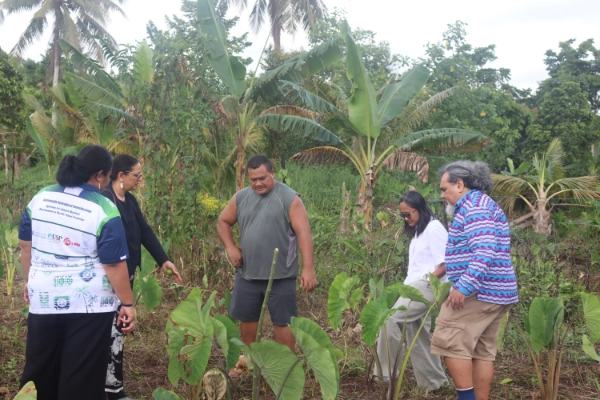
Location: Lotofaga
Polito Vili’s experience:
“I have expanded SAI practices from the project plots to bigger plots in the farm. Specifically, sheep are doing an excellent job managing the weeds. Thanks to the nature-based solution introduced by this project, I’ve greatly reduced hand-weeding costs and herbicide use, while also earning extra income from the sheep. This is a completely new experience for me.”
Tonga
Mother site
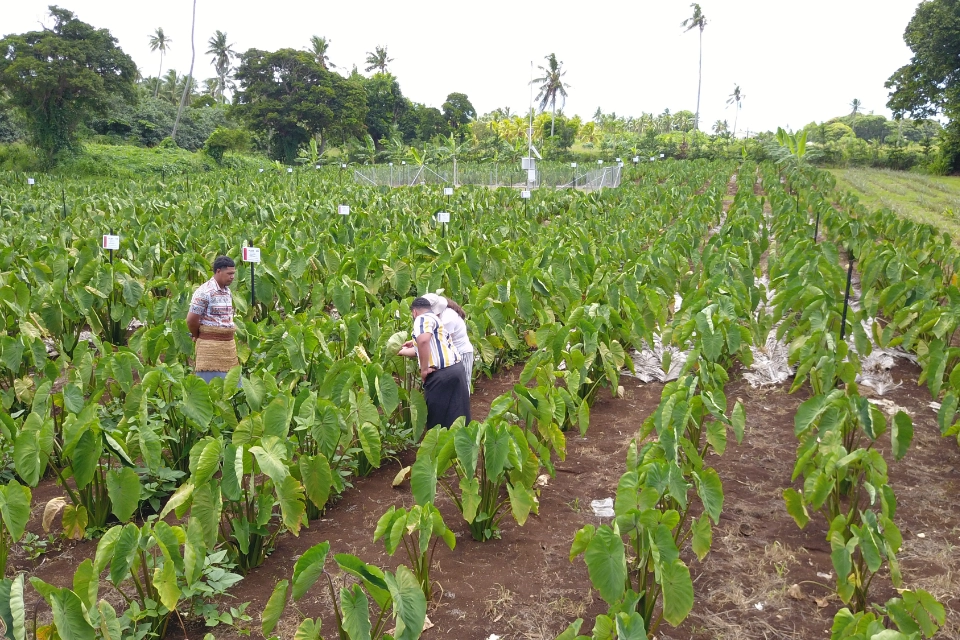
Location: MORDI TT, Nuku’alofa
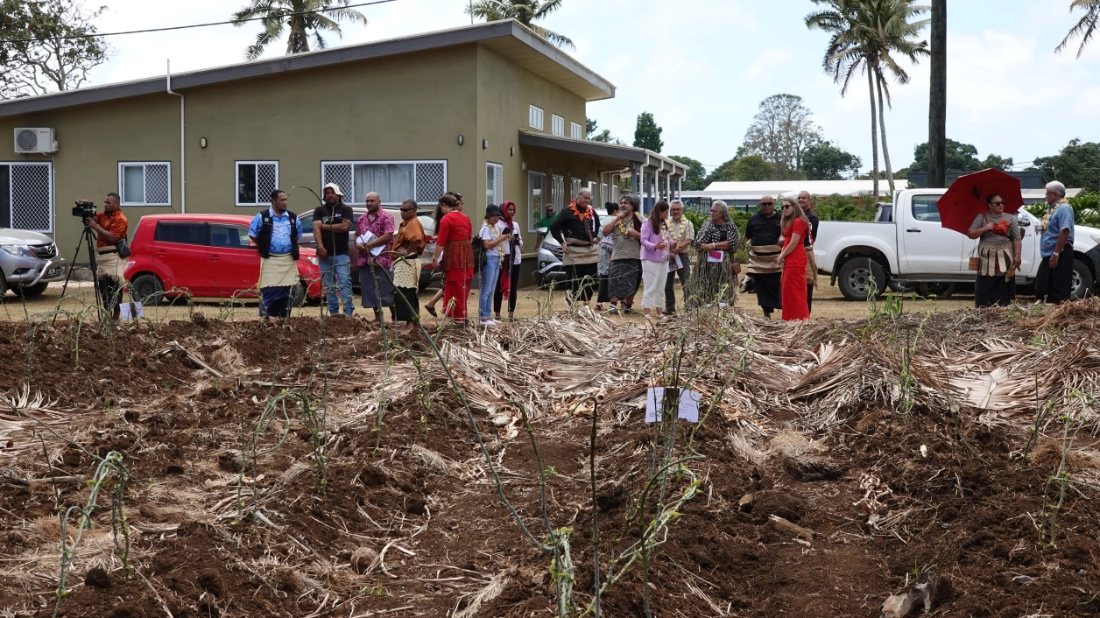
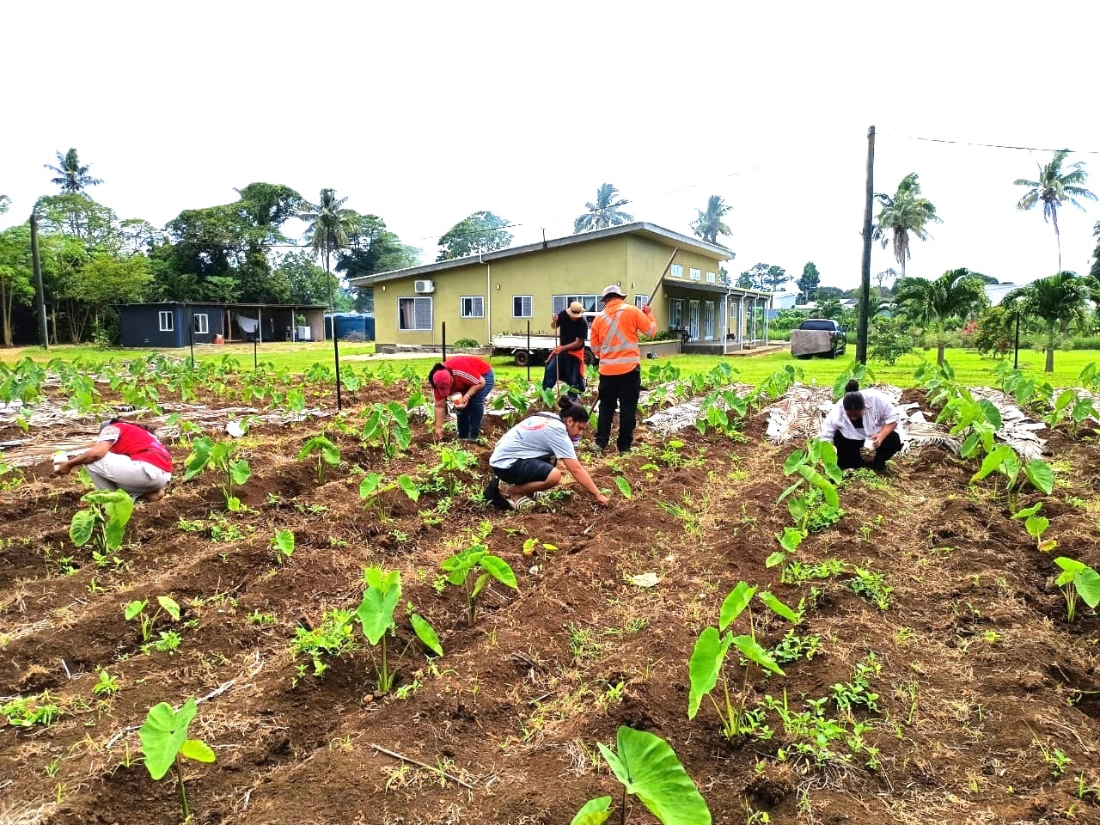
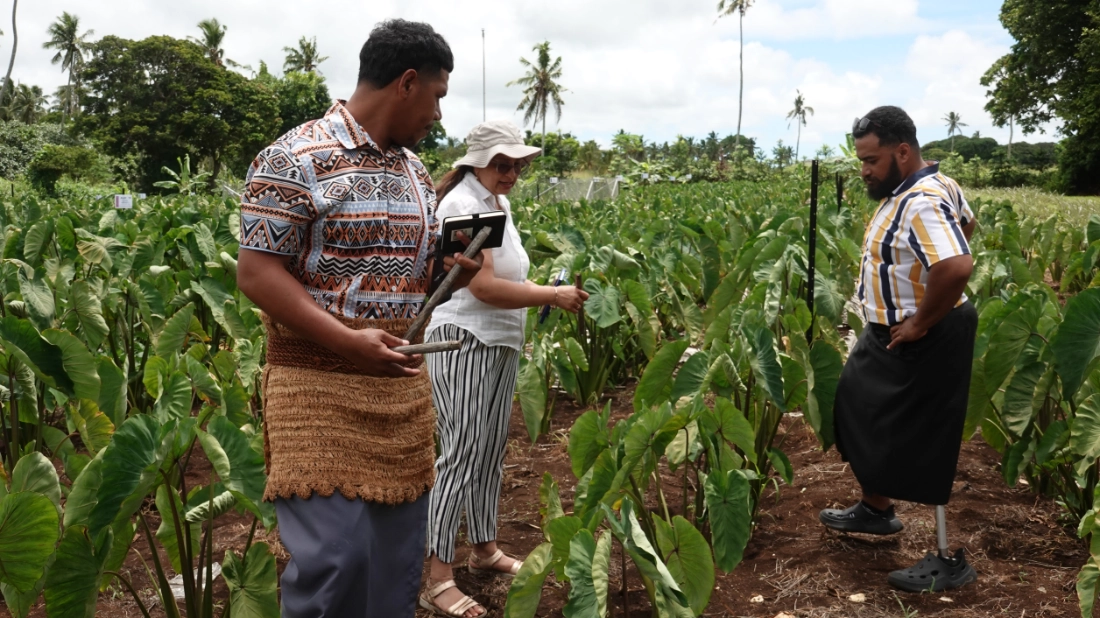
To date, two cropping cycles have been conducted, and the site is currently in its second. The research assesses key SAI practices within root crop systems. In the second cycle, legumes have been introduced as cover crops to improve soil fertility and ground cover. These integrated practices aim to enhance soil health, reduce land degradation, improve moisture retention, and increase overall system productivity and resilience under changing climatic conditions.
Baby sites
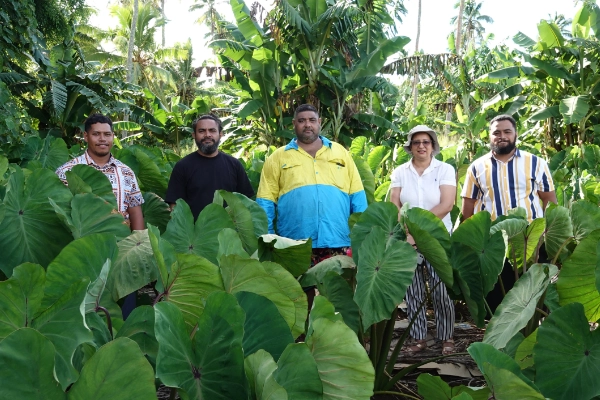
Location: Kauvai
Tevita Kata Finefeuiaki’s experience:
“Climate change, particularly prolonged drought, has significantly affected crop growth and yields on my farm. During the first cycle of this project, crops grown with nature-based practices produce abundant planting material for future cycles. Additionally, intercropping provided an extra source of income. These experiences have strengthened my farming knowledge and confidence.”
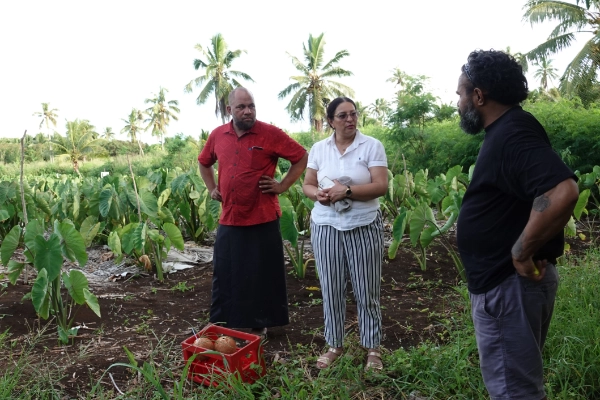
Location: Lapaha
Vitolio Ongolea’s experience:
“Prolonged drought and increasing costs of agricultural inputs, especially weedicides, have made farming more difficult. The practices introduced by this project have helped suppress weeds and reduce reliance on chemicals, lowering production costs. It also improved tuber size in the first cycle and overall crop performance. Additionally, intercropping offers an opportunity to diversify income, combining improved productivity with traditional farming knowledge.”
Capacity building
-
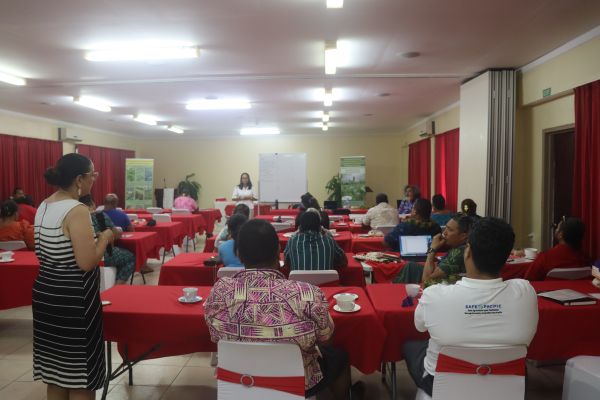
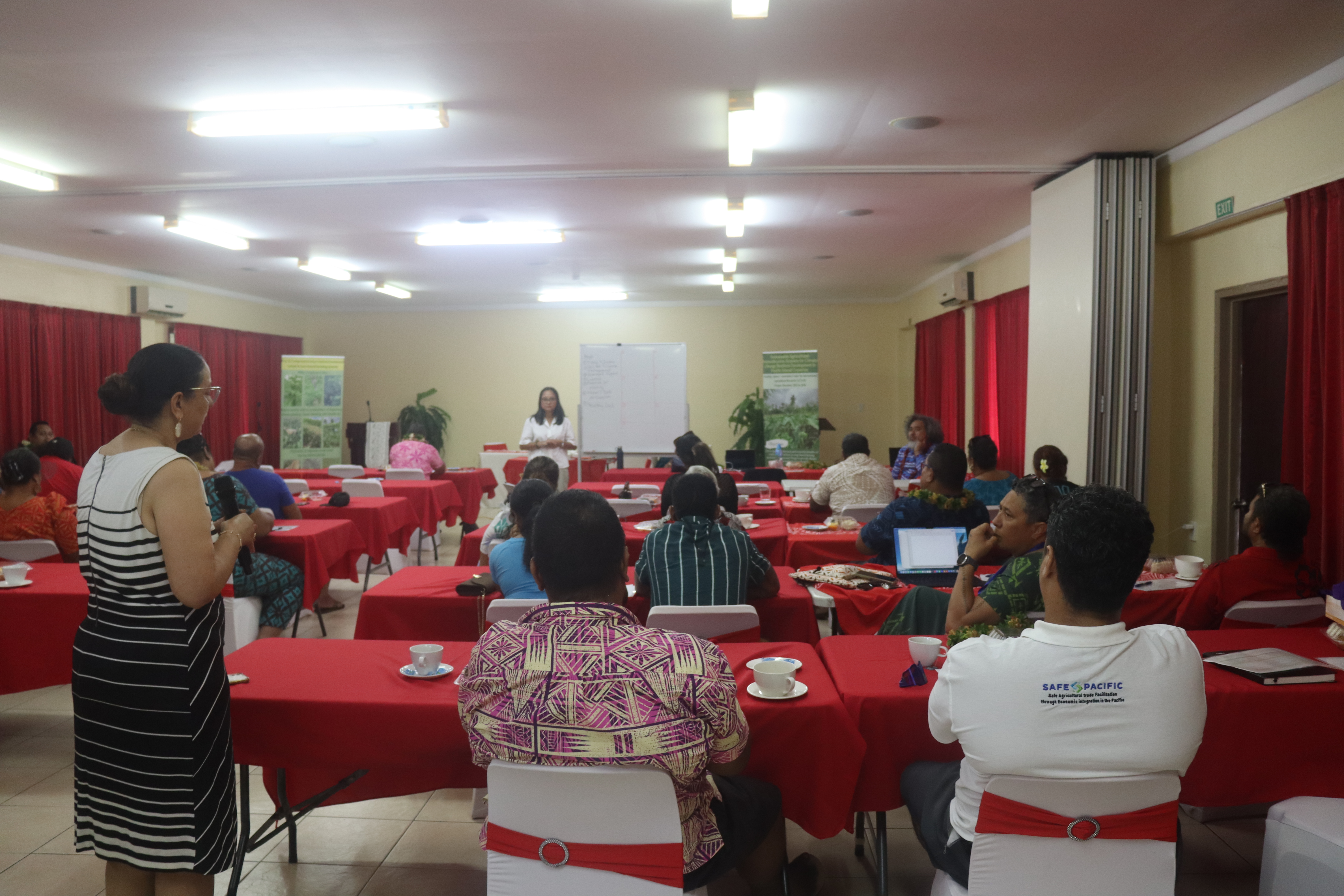
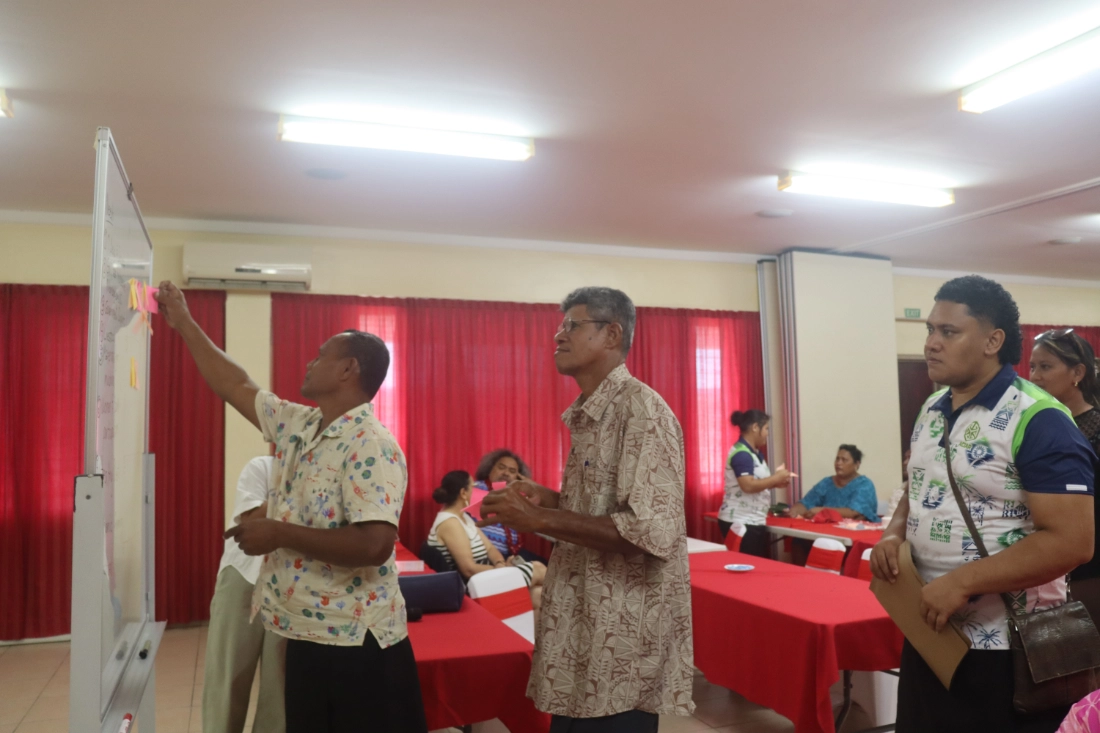
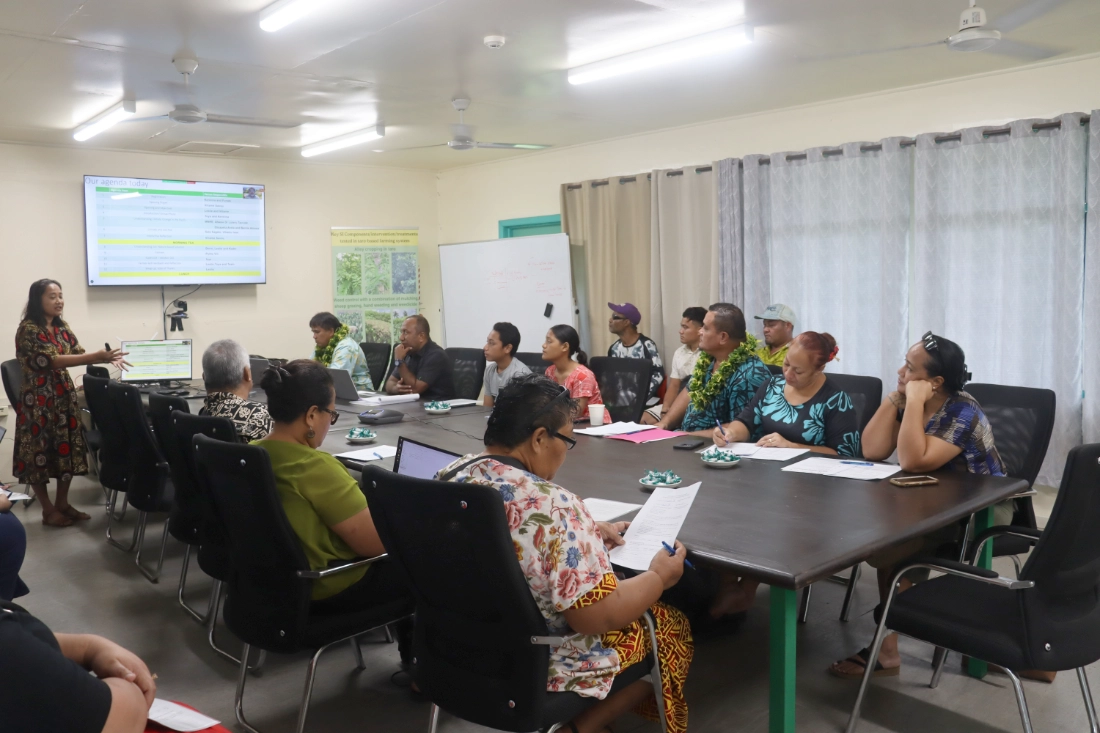
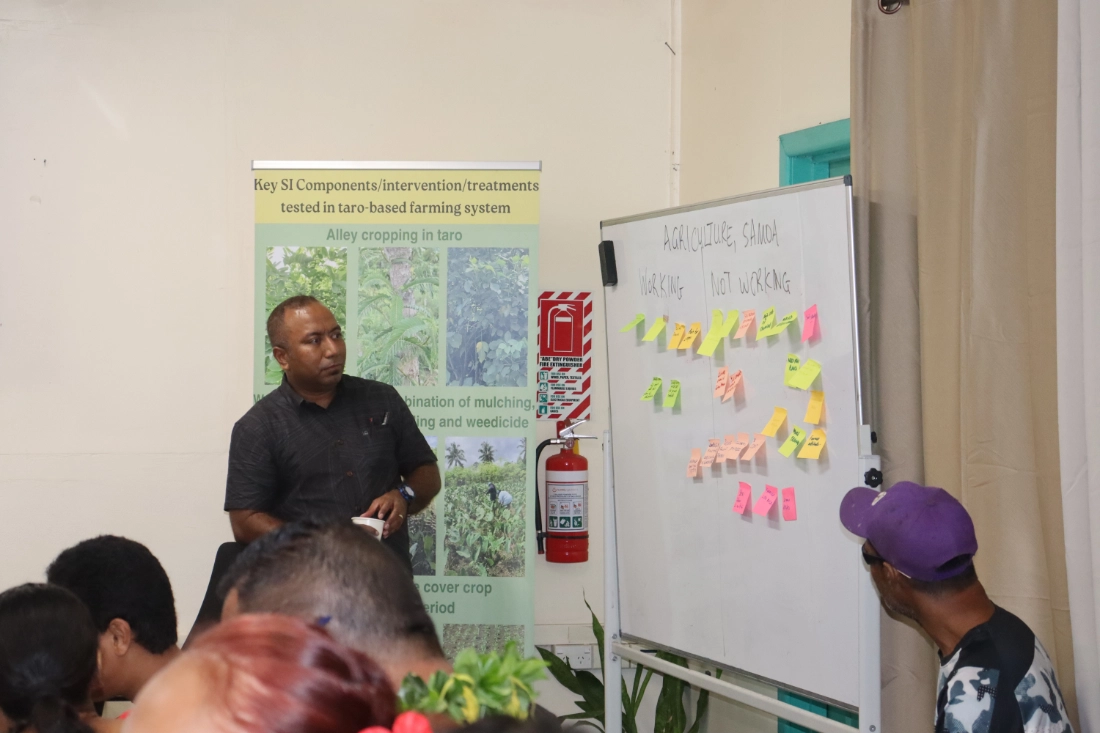
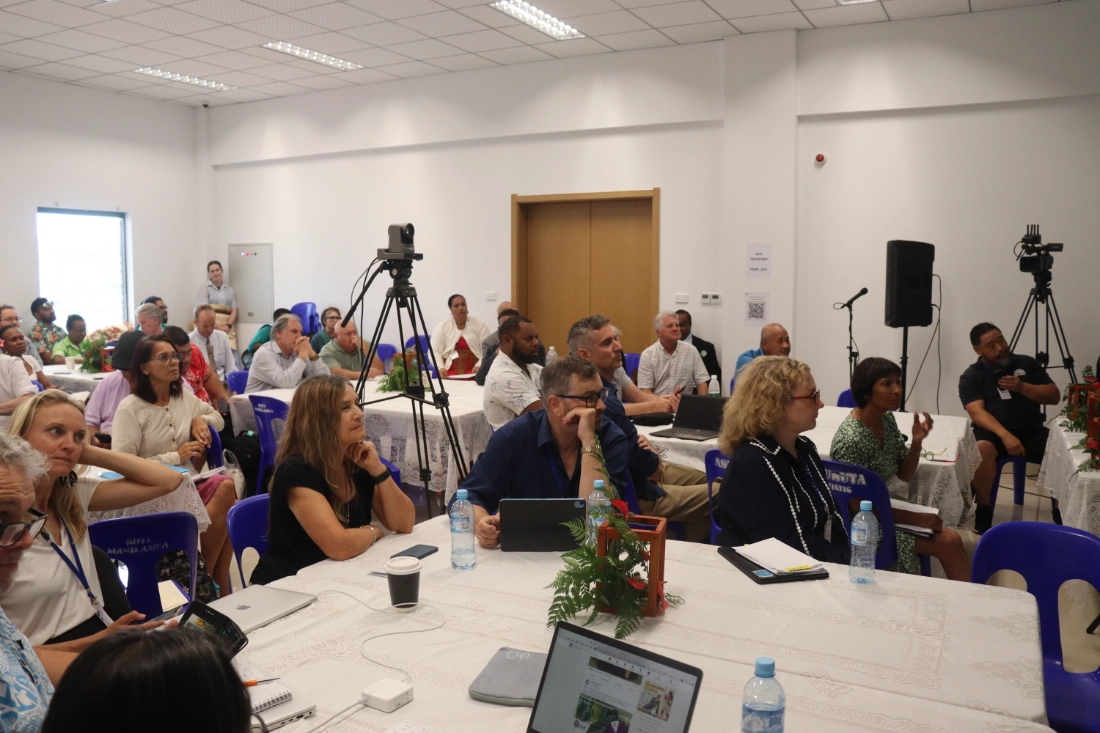
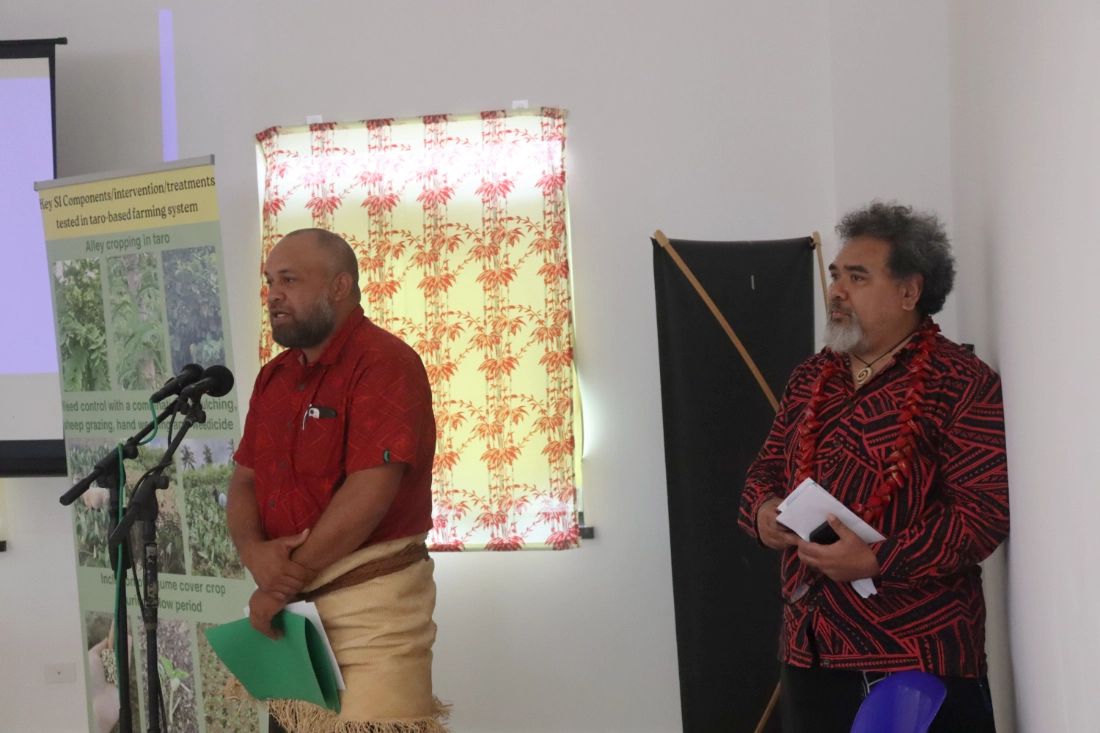
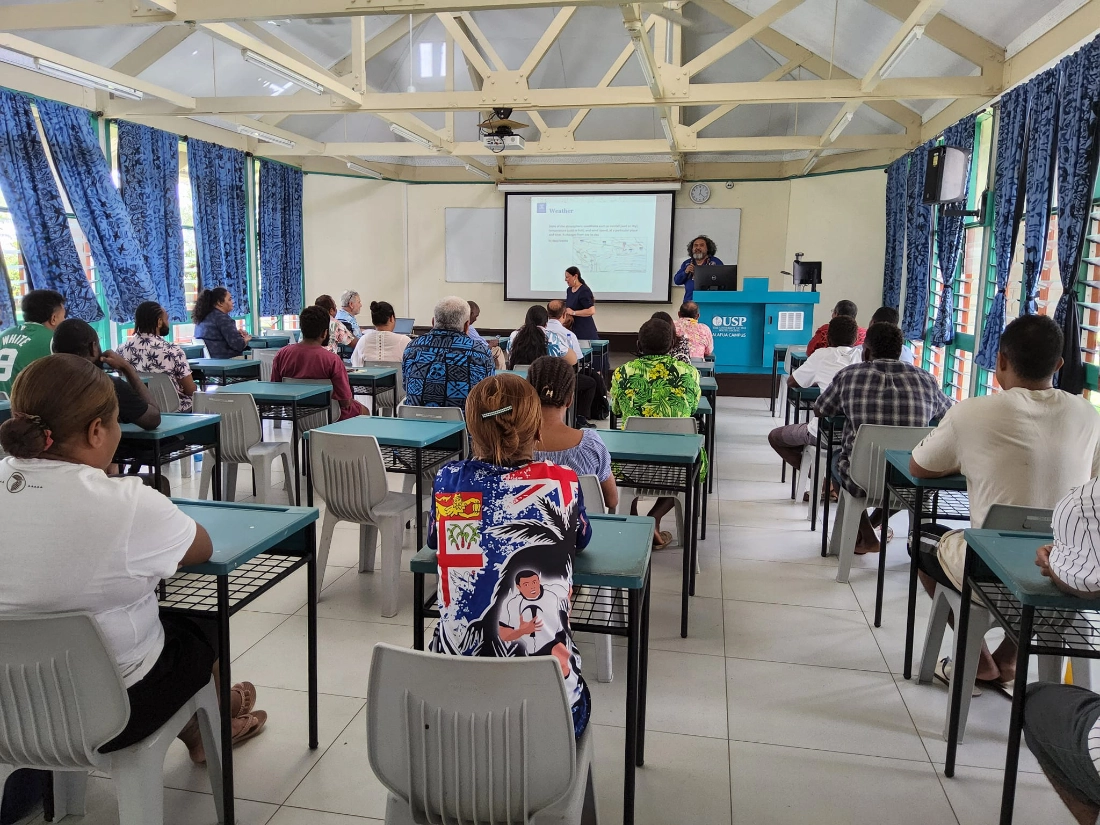
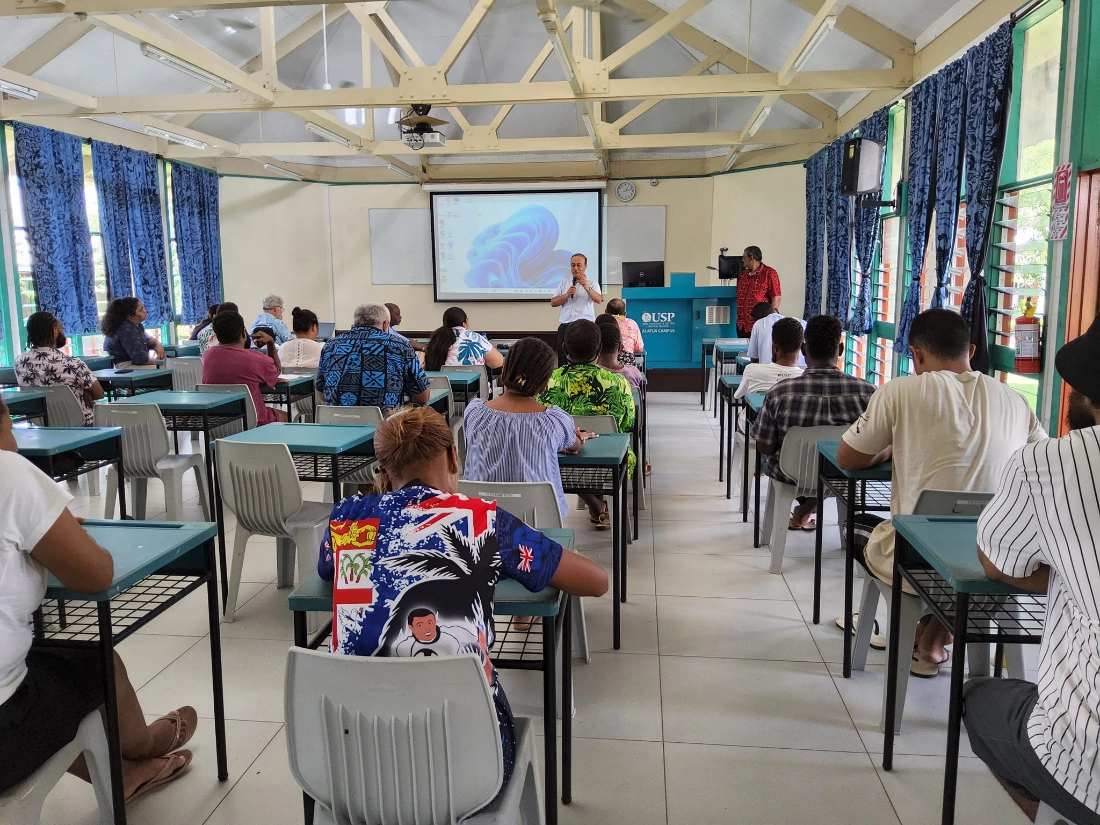
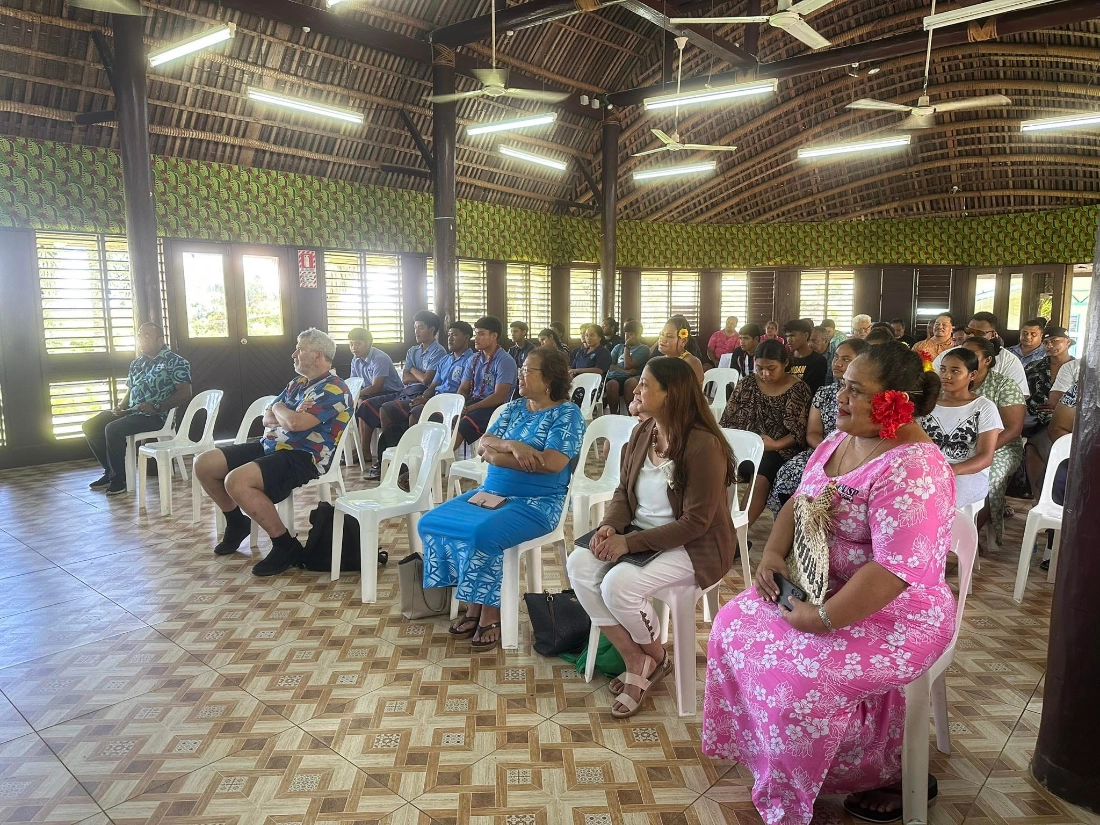
Workshop 2 (Samoa, February 2026), Participants: 43 Sustainable Agricultural Intensification in Action - Shared key achievements and lessons from the SAI project, strengthening stakeholder capacity to implement climate-resilient farming practices. -
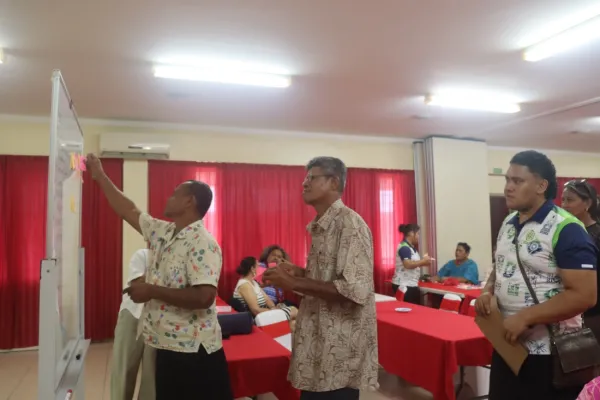
Workshop 2 (Samoa, February 2026), Participants: 43 Sustainable Agricultural Intensification in Action - Shared key achievements and lessons from the SAI project, strengthening stakeholder capacity to implement climate-resilient farming practices. -
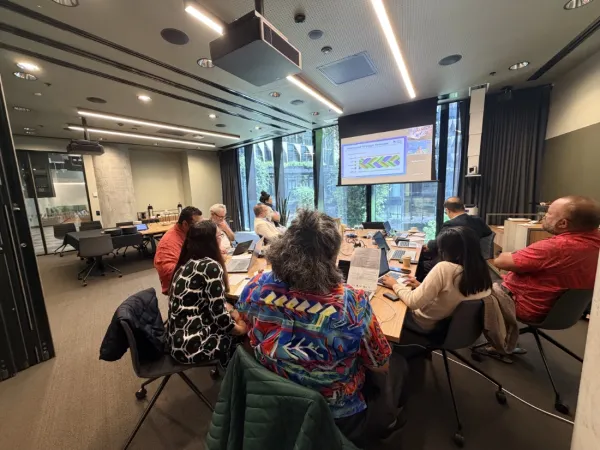
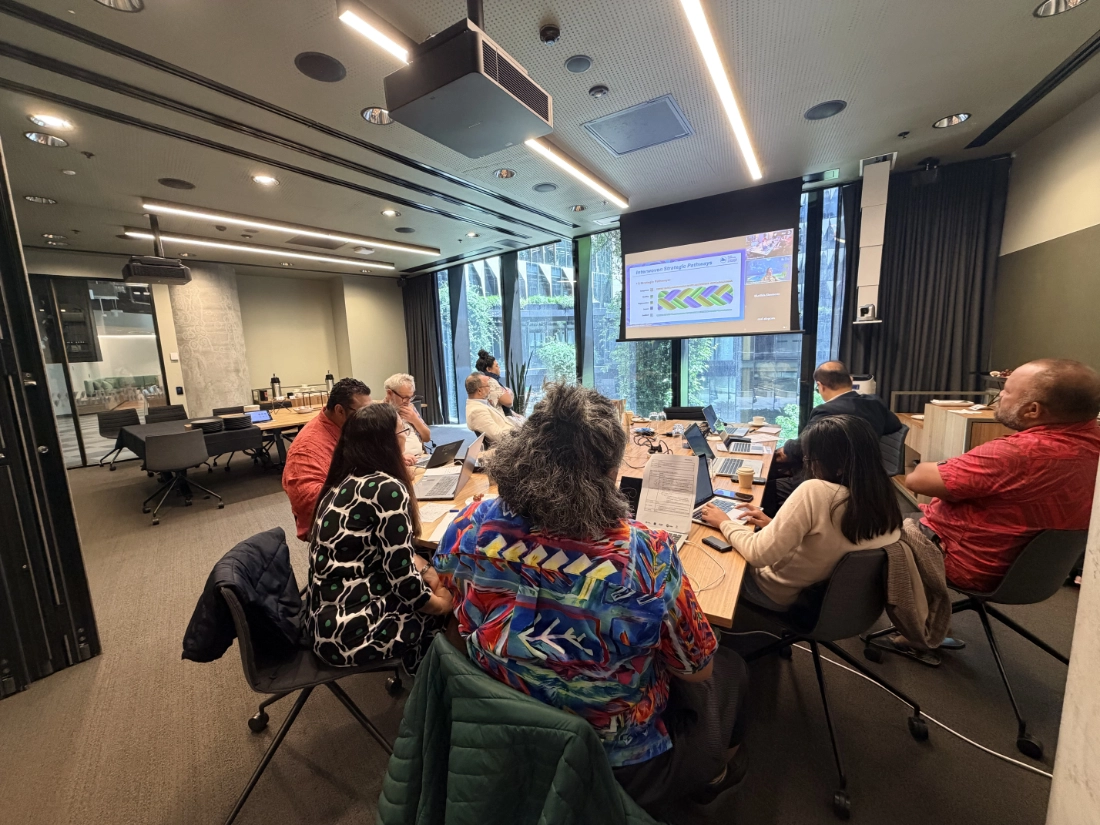
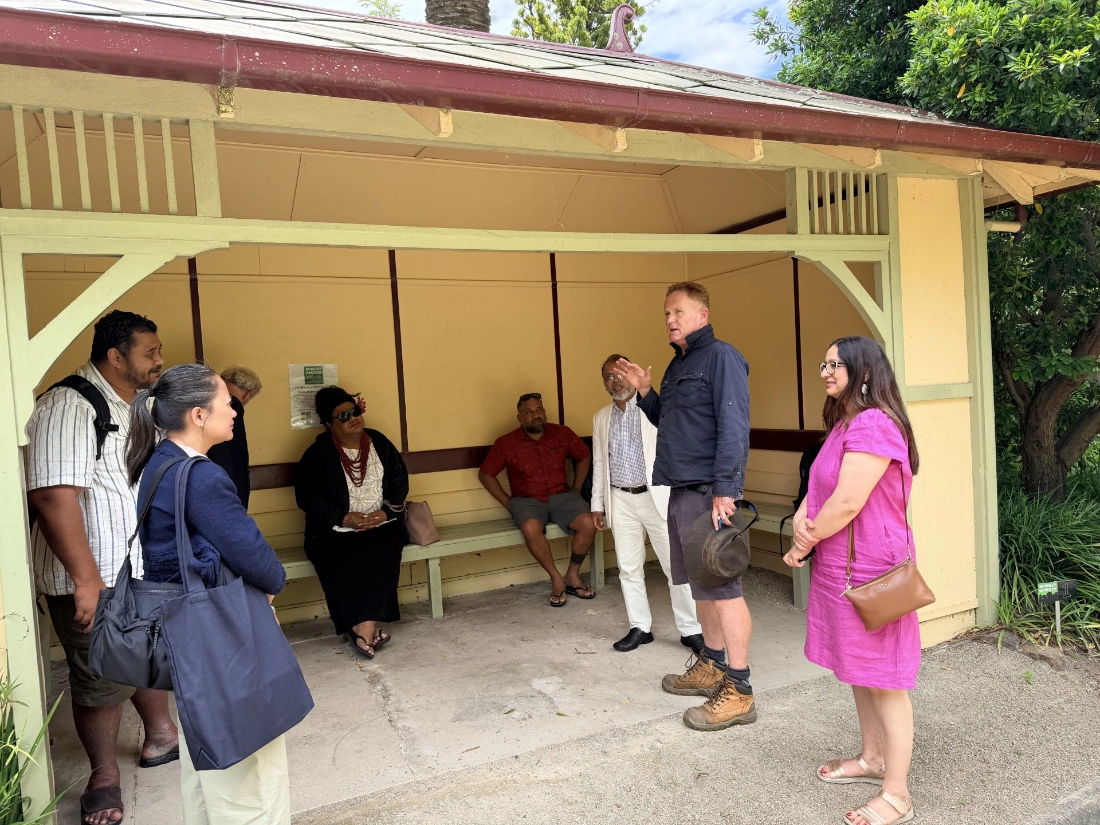
Country Leaders Meeting (Melbourne, December 2025), Participants: 14 Presented and discussed project results from Samoa and Tonga, and explored future directions, including SAI 2.0 proposal planning, supporting strategic collaboration. -
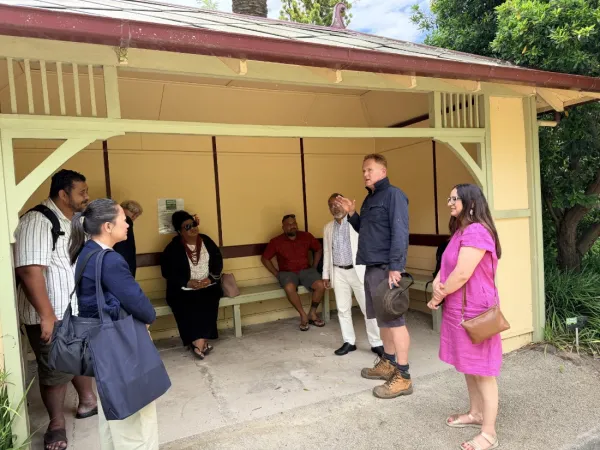
Country Leaders Meeting (Melbourne, December 2025), Participants: 14 Presented and discussed project results from Samoa and Tonga, and explored future directions, including SAI 2.0 proposal planning, supporting strategic collaboration. -
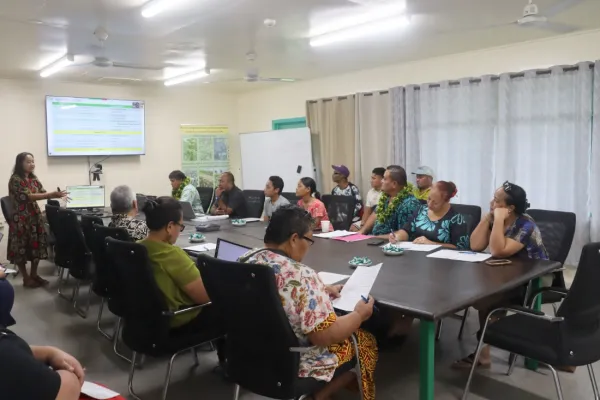
Workshop 1 (Samoa, July 2025), Participants: 29 Resilient Farming in a Changing Climate - Built understanding of climate change in the Pacific and SAI nature-based solutions, strengthening knowledge on climate resilience. -
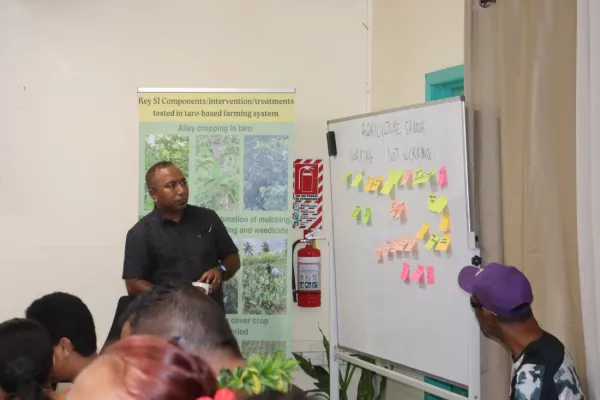
Workshop 1 (Samoa, July 2025), Participants: 29 Resilient Farming in a Changing Climate - Built understanding of climate change in the Pacific and SAI nature-based solutions, strengthening knowledge on climate resilience. -
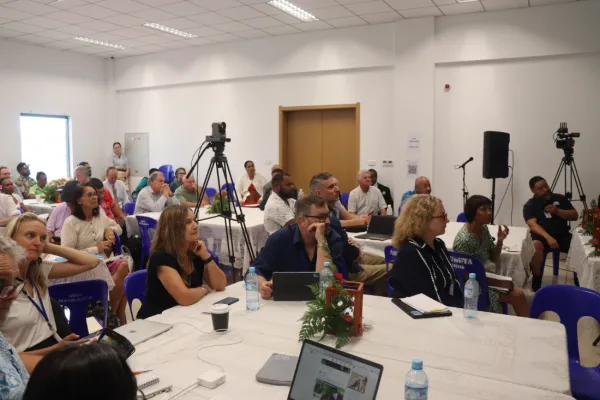
Pacific Week Side Event (Tonga, May 2025), Participants: 60 (from 20 organisations) Sustainable Agricultural Intensification: Advancing Productivity, Soil Health, and Resilient Livelihoods - Facilitated regional knowledge exchange and stakeholder engagement. -
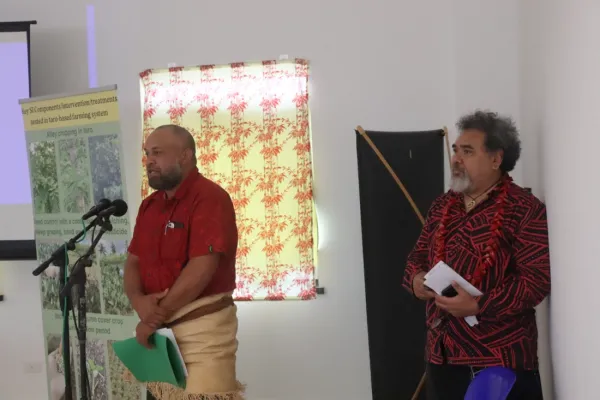
Pacific Week Side Event (Tonga, May 2025), Participants: 60 (from 20 organisations) Sustainable Agricultural Intensification: Advancing Productivity, Soil Health, and Resilient Livelihoods - Facilitated regional knowledge exchange and stakeholder engagement. -
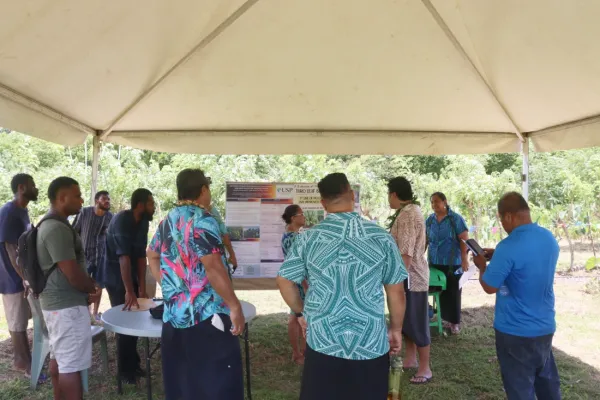
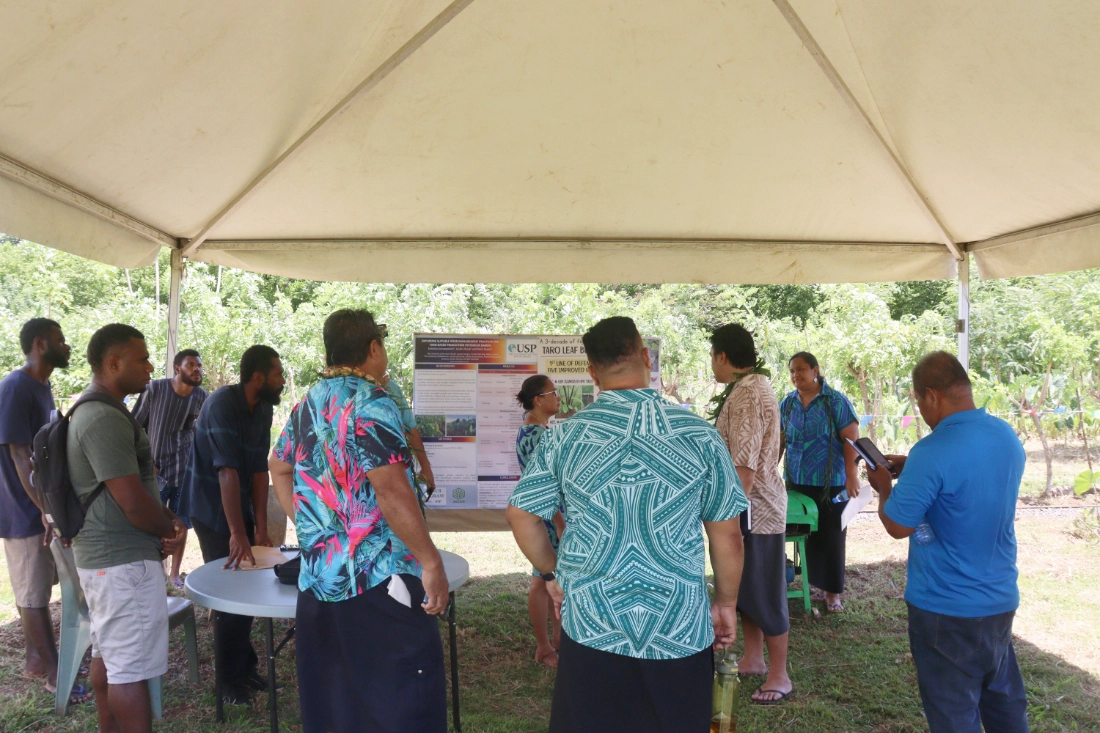
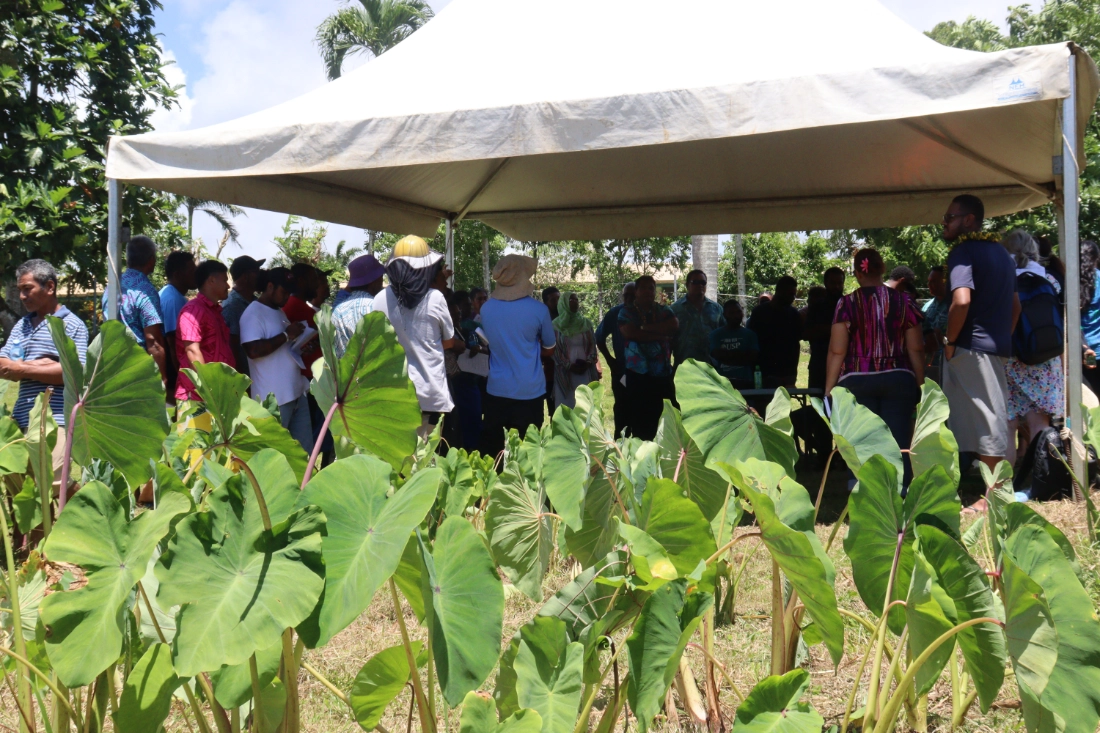
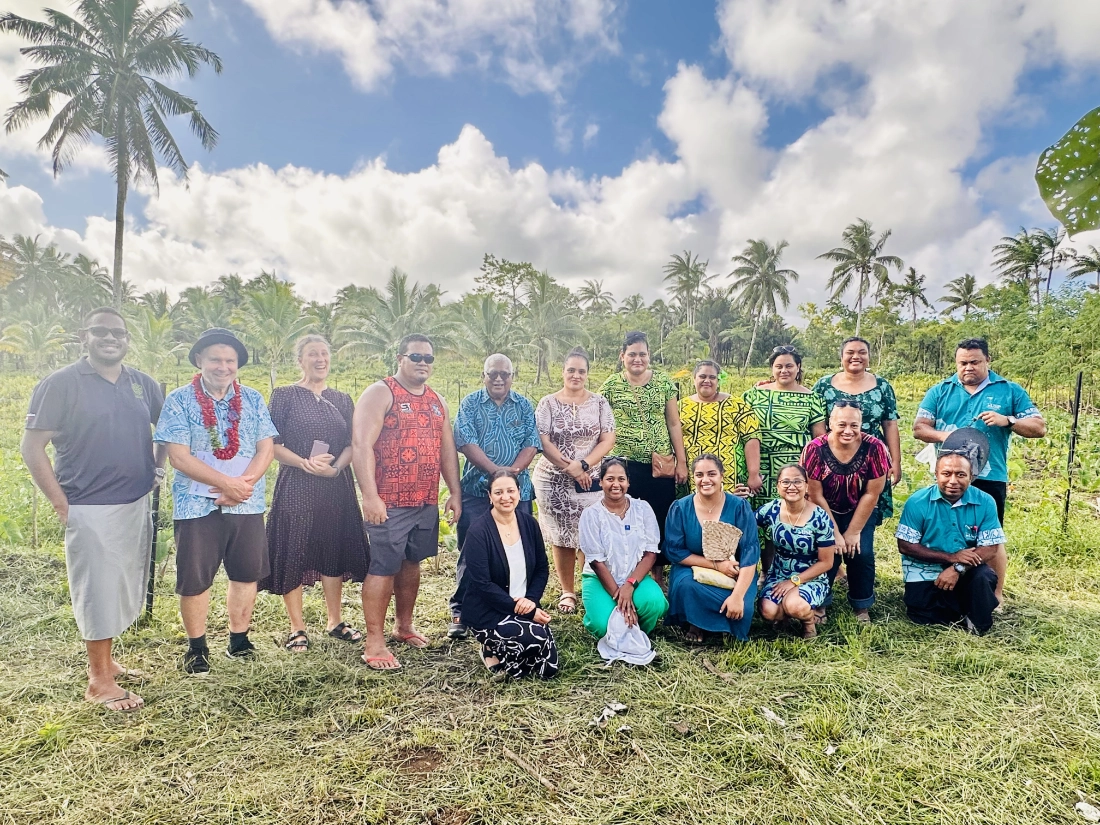
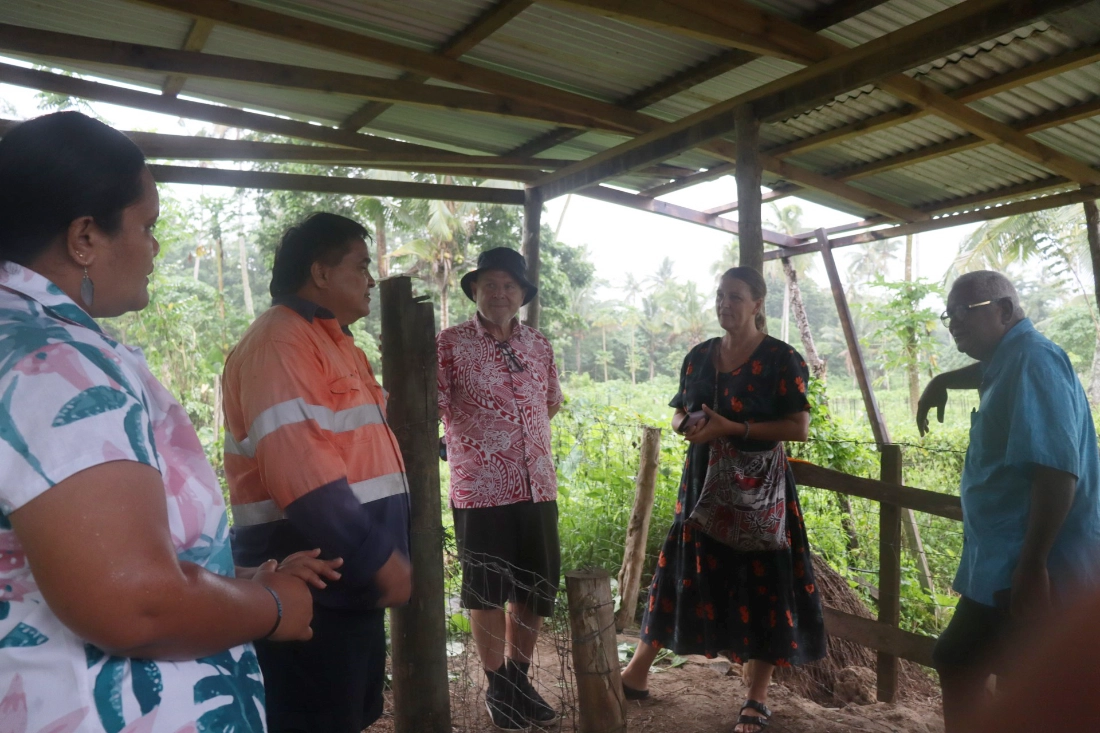
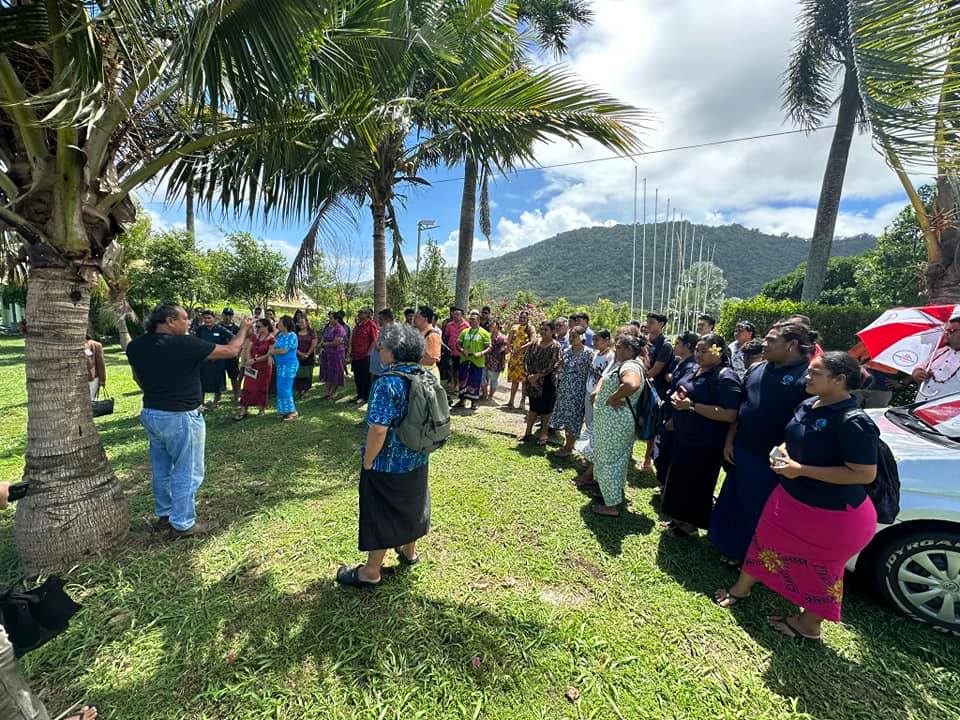
Field Day 2 (Samoa, March 2025), Participants: ~70 Disseminated research findings and provided hands-on training in soil testing and taro disease identification, improving farmer decision-making. -
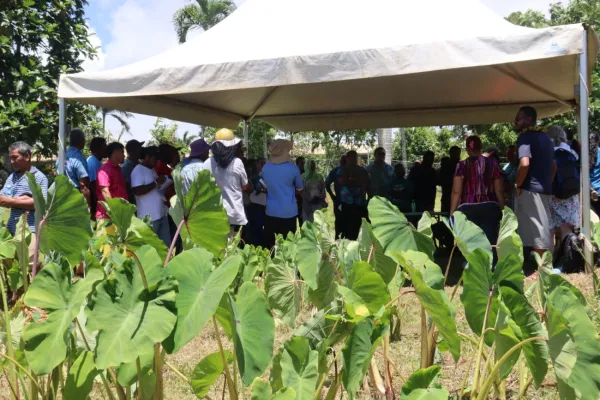
Field Day 2 (Samoa, March 2025), Participants: ~70 Disseminated research findings and provided hands-on training in soil testing and taro disease identification, improving farmer decision-making. -
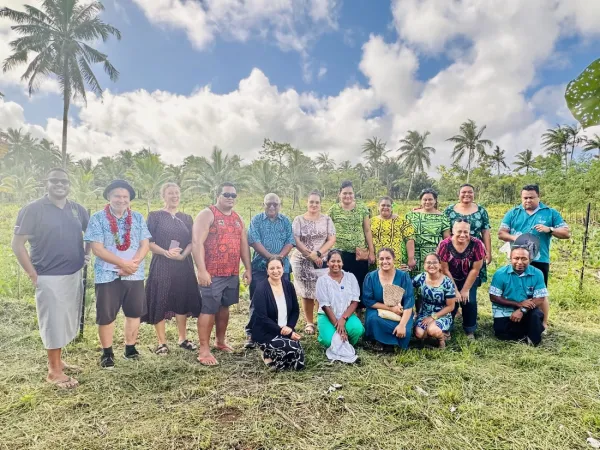
Midterm Review (Samoa and Tonga, March 2025) Conducted a critical evaluation of project progress, identifying challenges and refining implementation strategies. -
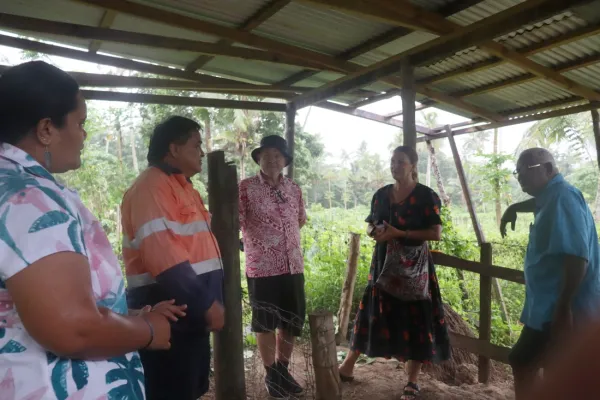
Midterm Review (Samoa and Tonga, March 2025) Conducted a critical evaluation of project progress, identifying challenges and refining implementation strategies. -
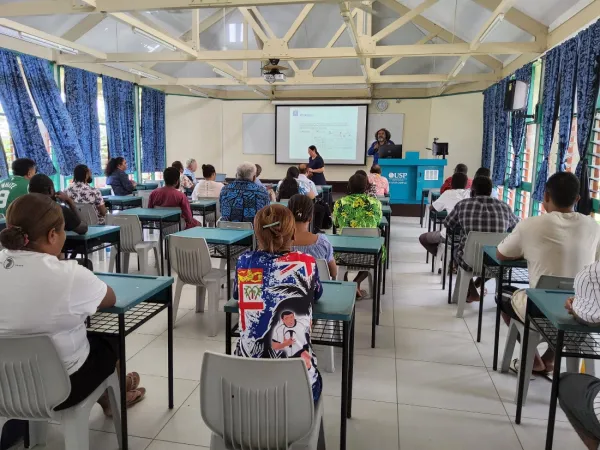
Public Lecture (Samoa, May 2024) Highlighted climate change impacts on crop production and the project’s role in building resilient agricultural systems in the Pacific. -
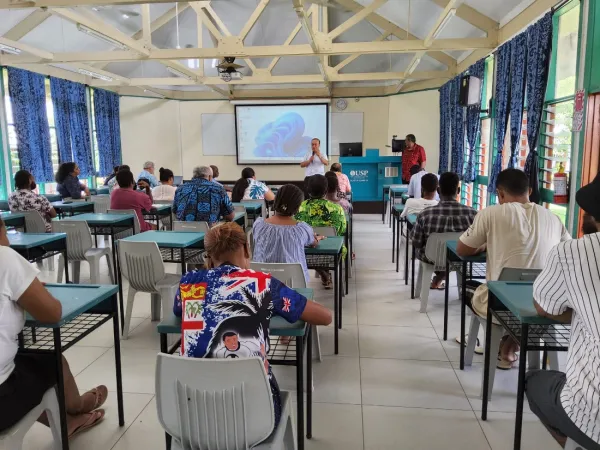
Public Lecture (Samoa, May 2024) Highlighted climate change impacts on crop production and the project’s role in building resilient agricultural systems in the Pacific. -
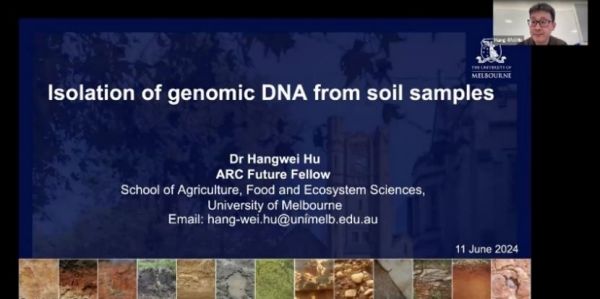
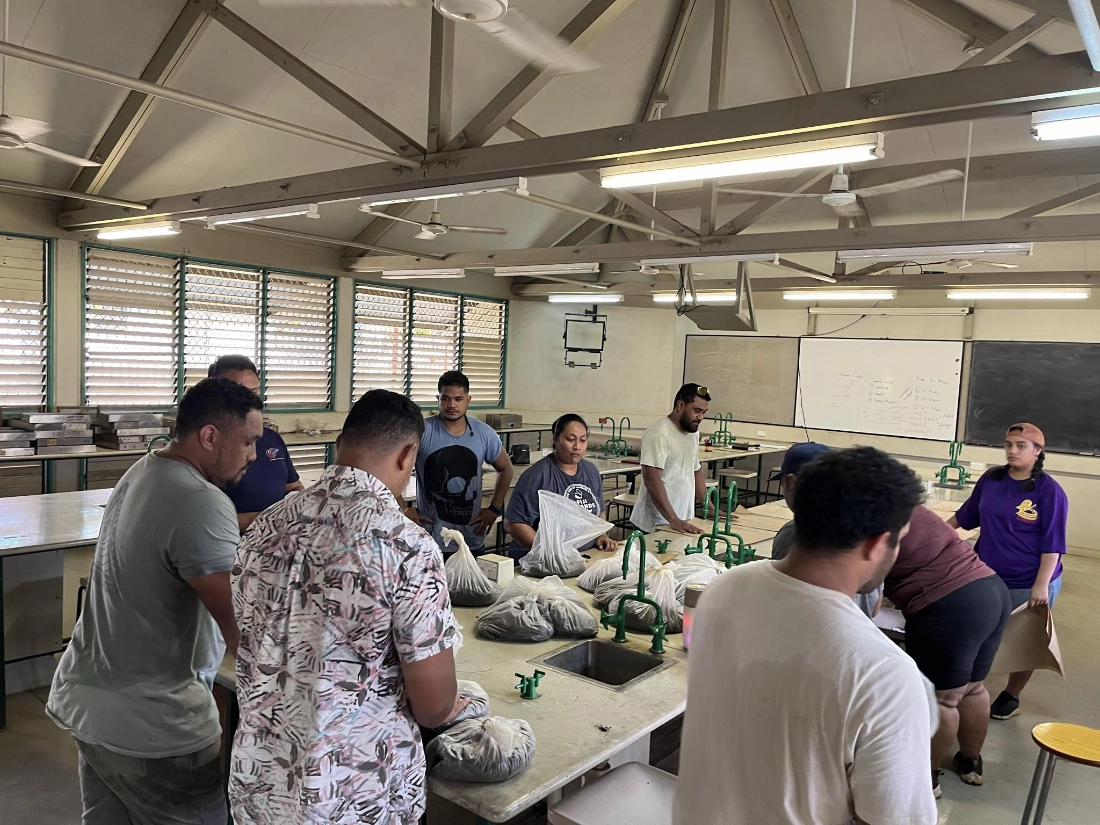
Online Training (June 2024), Participants: 9 Isolation of Microbial Genomic DNA from Soil - Introduced advanced laboratory techniques using the DNeasy® PowerSoil® Pro Kit, enhancing technical research skills. -
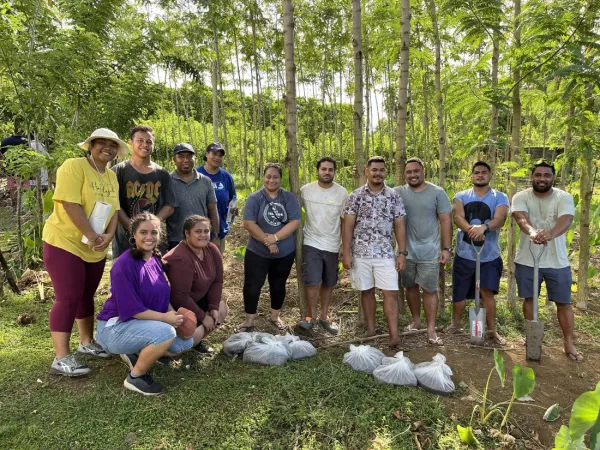
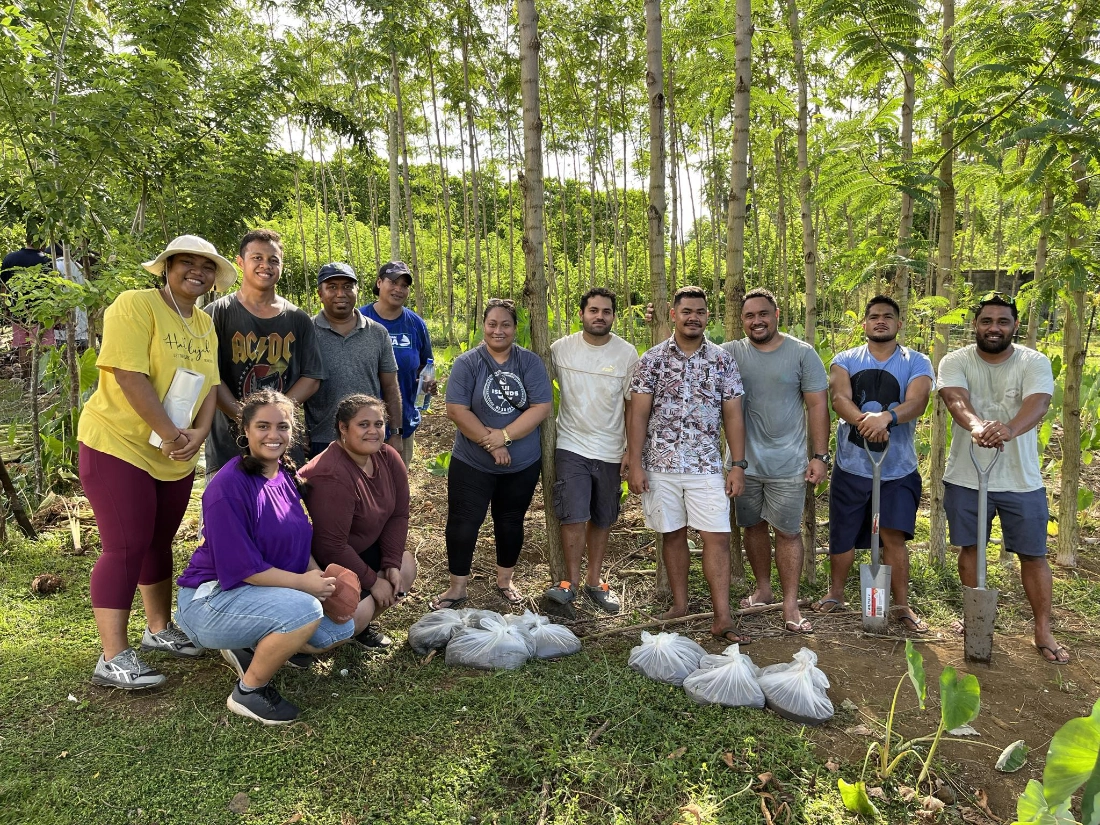
Soil Collection Refresher Training (Samoa, May 2024), Participants: 12 Provided hands-on training in soil sampling techniques, improving data quality, and field competency. -
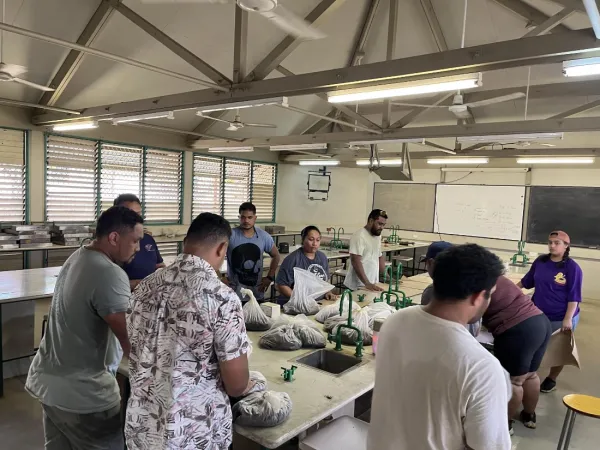
Soil Collection Refresher Training (Samoa, May 2024), Participants: 12 Provided hands-on training in soil sampling techniques, improving data quality, and field competency. -
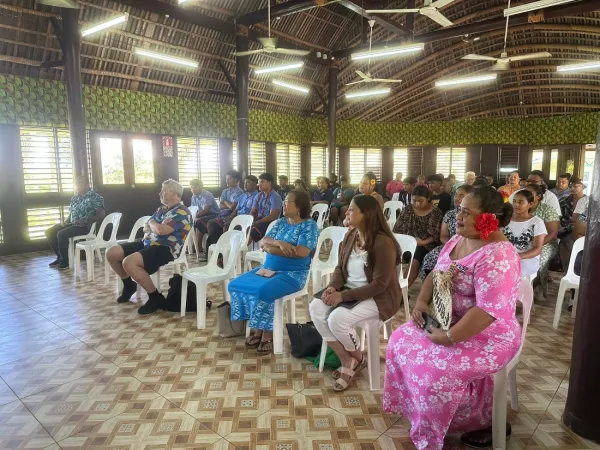
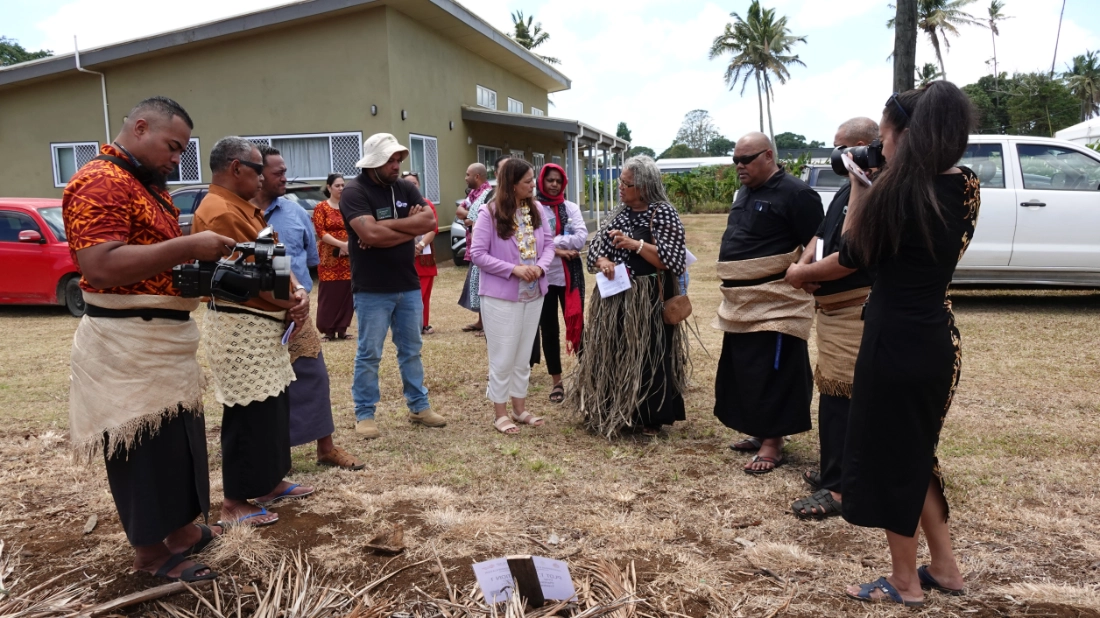
Field Day 1 (Samoa, November 2023), Participants: 36 Raised awareness of the SAI project and showcased the mother site activities, strengthening stakeholder engagement. -
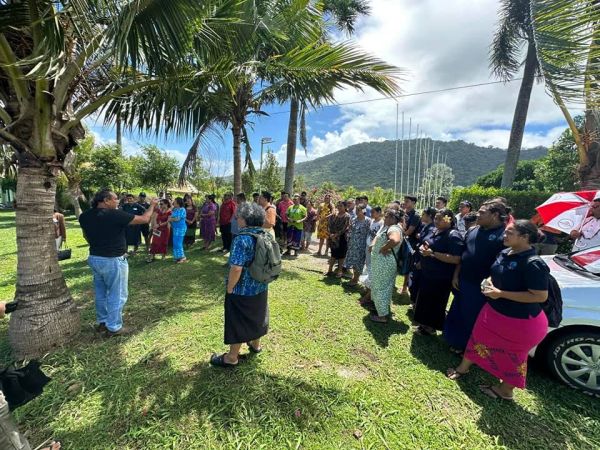
Field Day 1 (Samoa, November 2023), Participants: 36 Raised awareness of the SAI project and showcased the mother site activities, strengthening stakeholder engagement. -
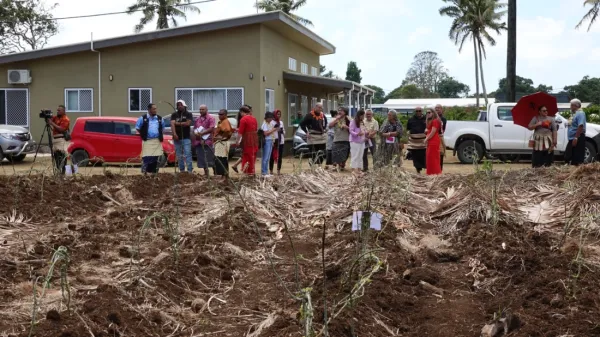
Field Day 1 (Tonga, November 2023), Participants: 48 Promoted project visibility and demonstrated field interventions at mother sites, improving understanding of climate-resilient practices. -
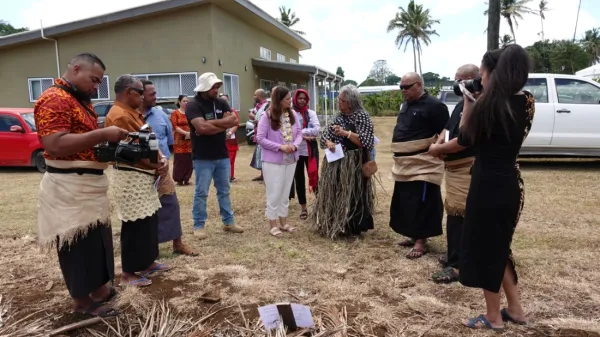
Field Day 1 (Tonga, November 2023), Participants: 48 Promoted project visibility and demonstrated field interventions at mother sites, improving understanding of climate-resilient practices. -
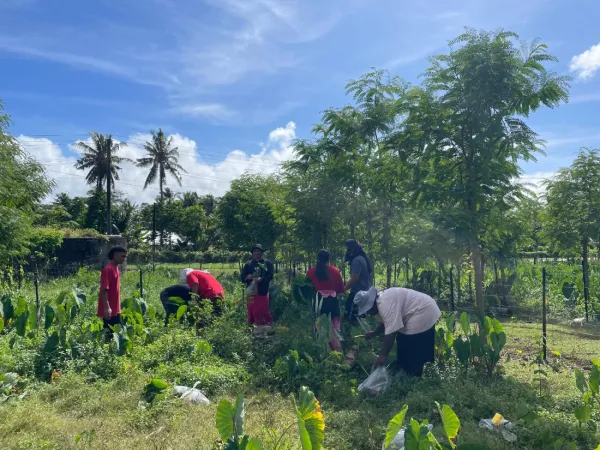
USP Curriculum Integration - Samoa (ongoing) Integrated project sites into 5 USP courses so far, enabling practical learning and student-led research at mother sites. -
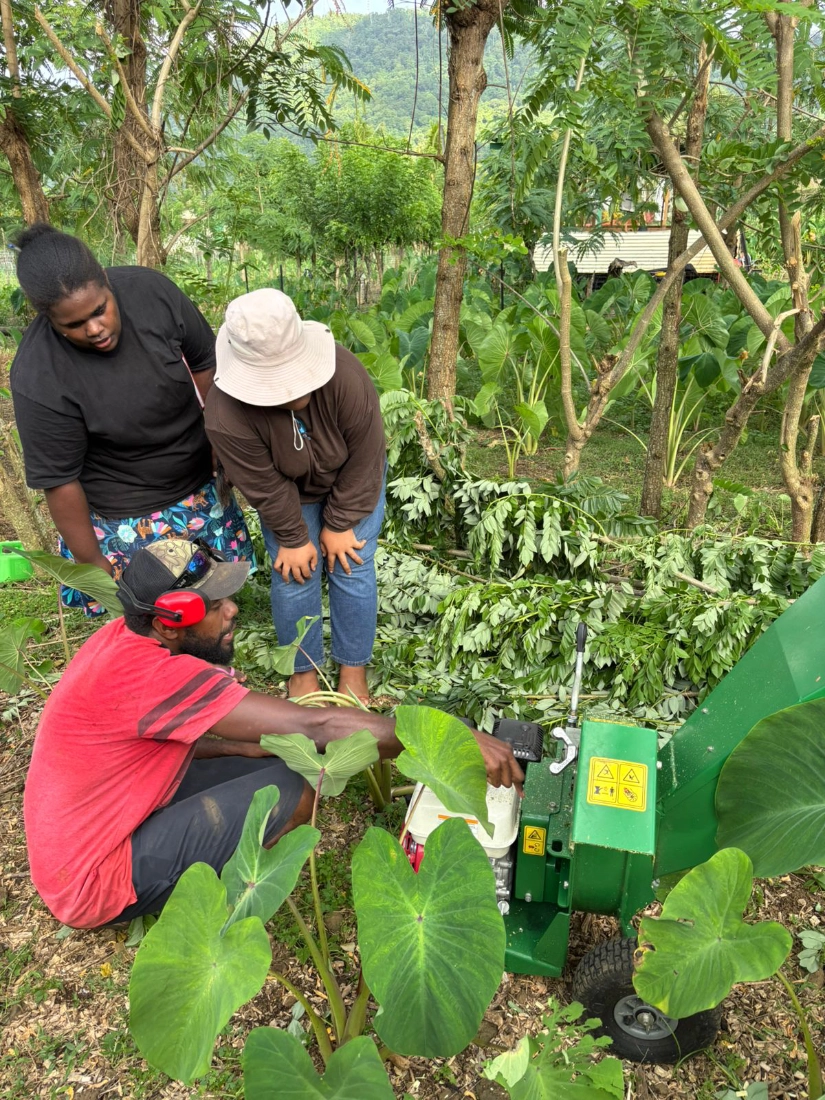
USP Curriculum Integration - Samoa (ongoing) Integrated project sites into 5 USP courses so far, enabling practical learning and student-led research at mother sites. -
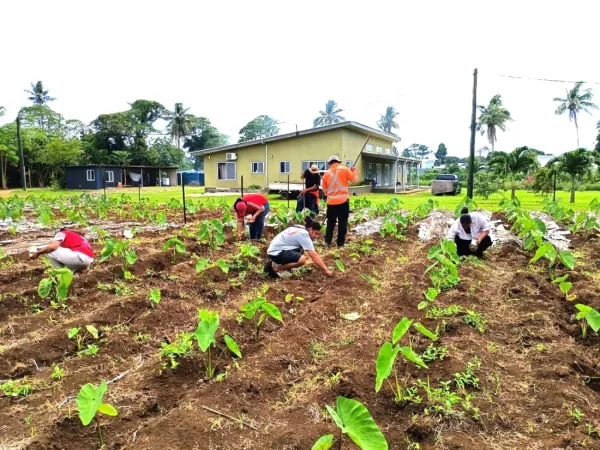
Student Engagement - Tonga (ongoing) Supporting internships and field activities at mother sites in collaboration with the Tonga National University, building local capacity. -
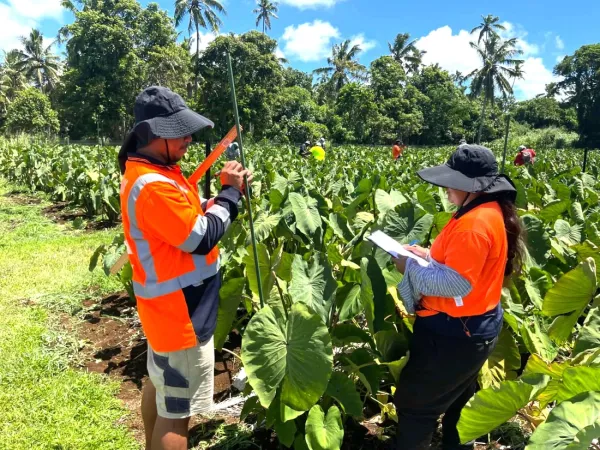
Student Engagement - Tonga (ongoing) Supporting internships and field activities at mother sites in collaboration with the Tonga National University, building local capacity. -
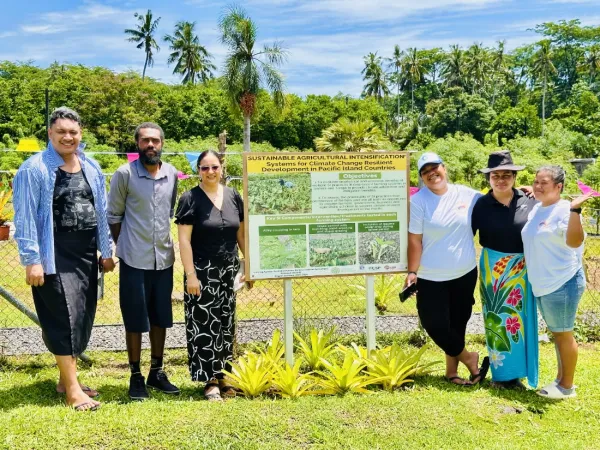
RHD Student Engagement - 8 masters and PhD scholars (ongoing) Engaging graduate research students and contributing to long-term research capacity building in the region. -
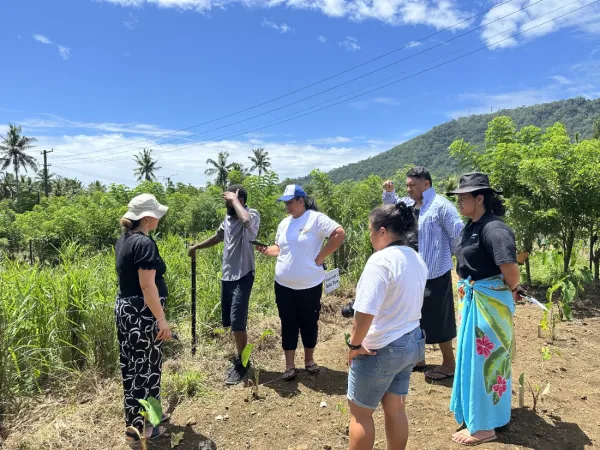
RHD Student Engagement - 8 masters and PhD scholars (ongoing) Engaging graduate research students and contributing to long-term research capacity building in the region. -
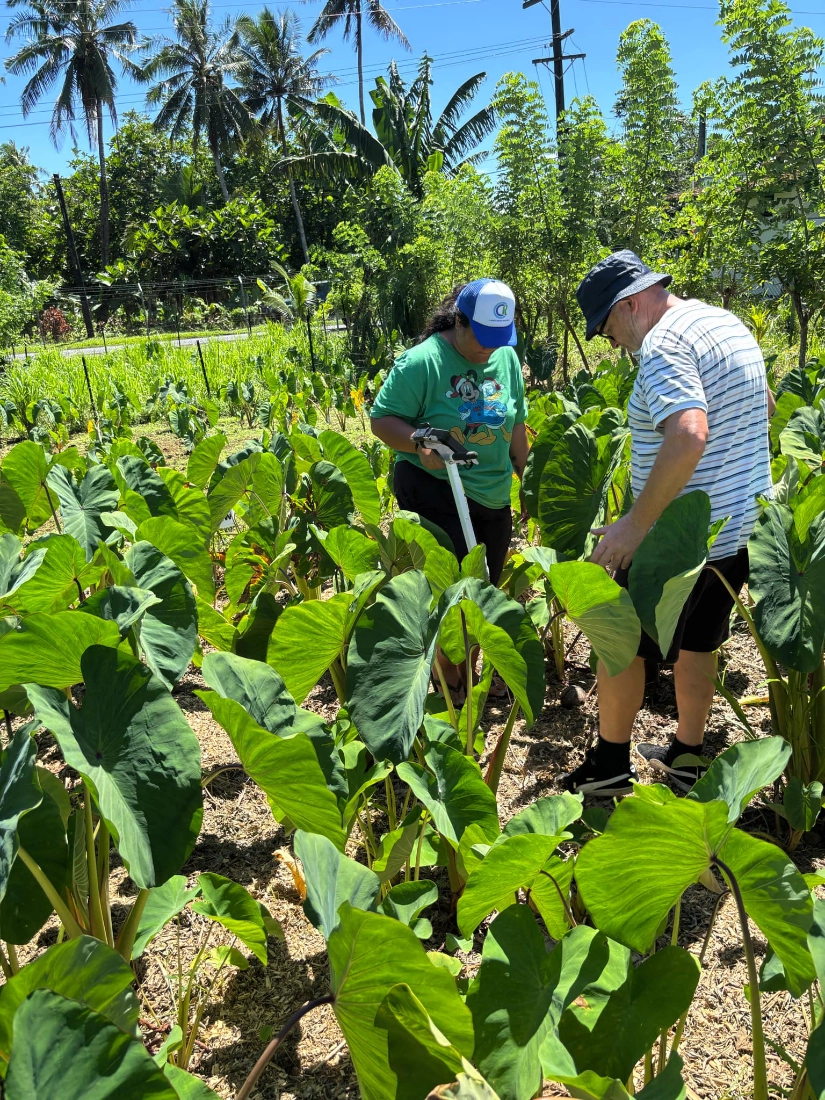
Staff Capacity Building - Samoa and Tonga (ongoing) Delivering need-based training for research assistants and technical staff, strengthening technical and research competencies. -
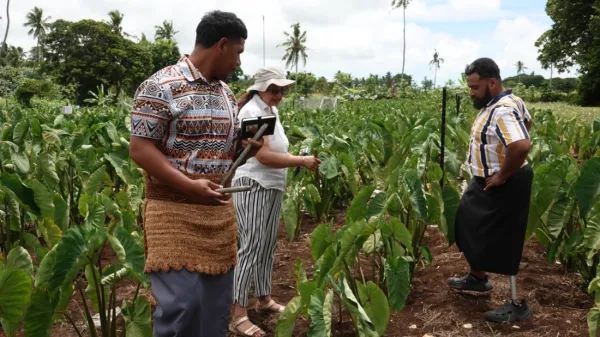
Staff Capacity Building - Samoa and Tonga (ongoing) Delivering need-based training for research assistants and technical staff, strengthening technical and research competencies. -
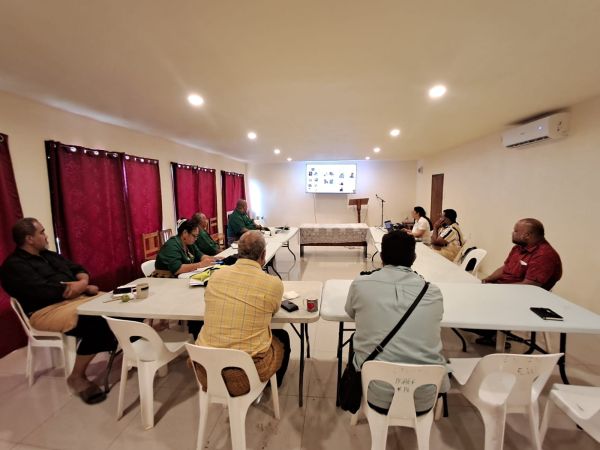
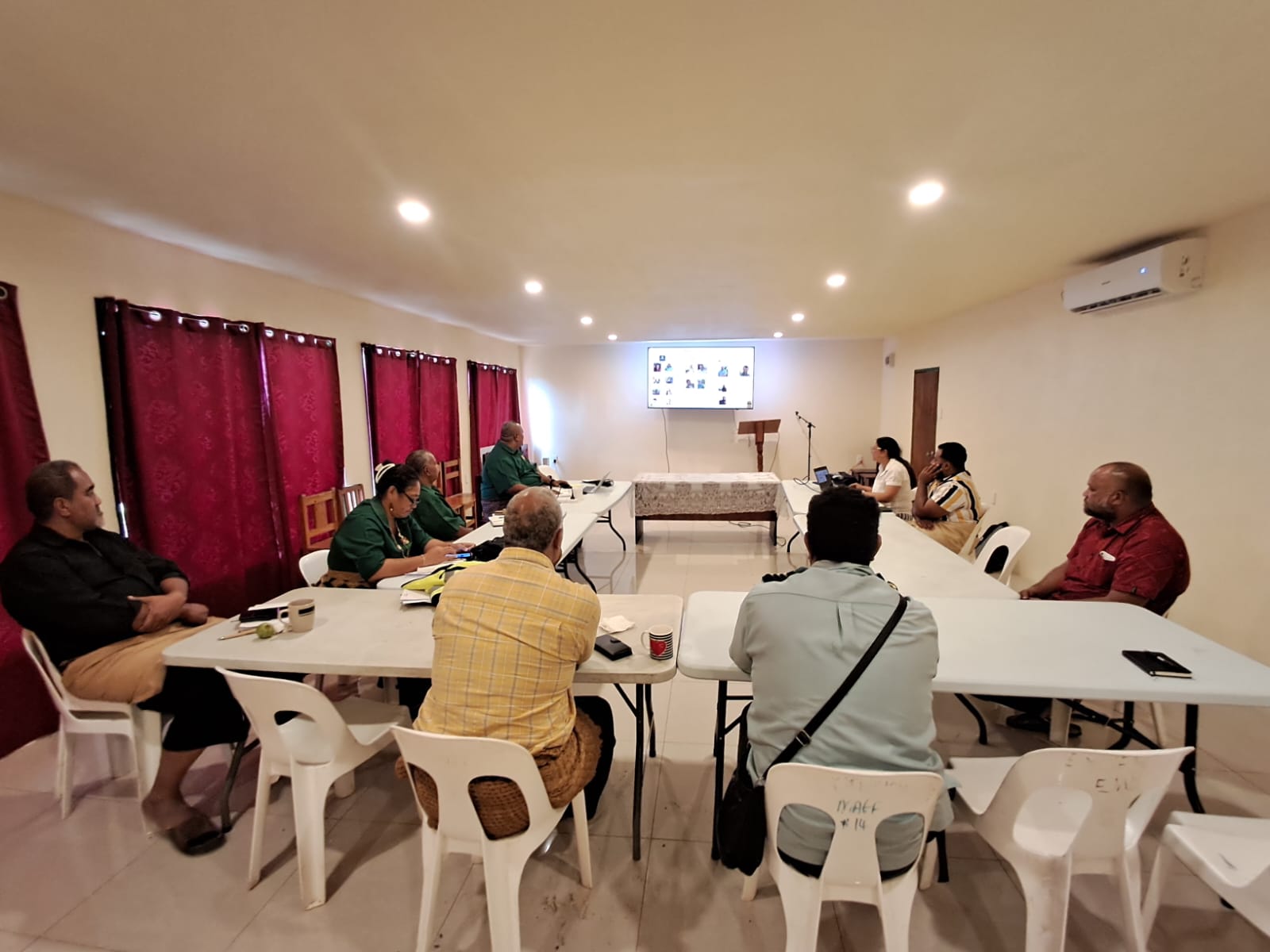
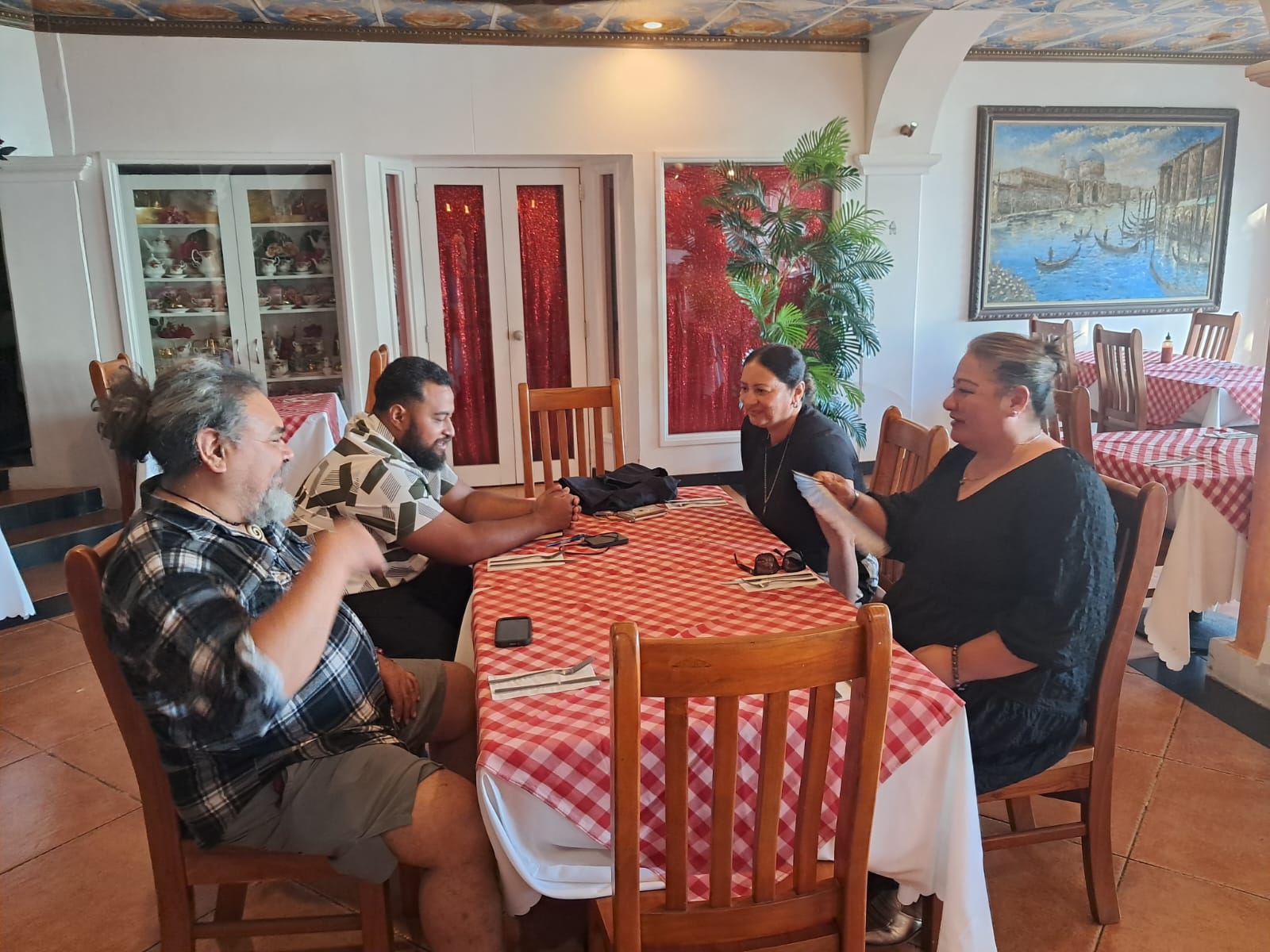
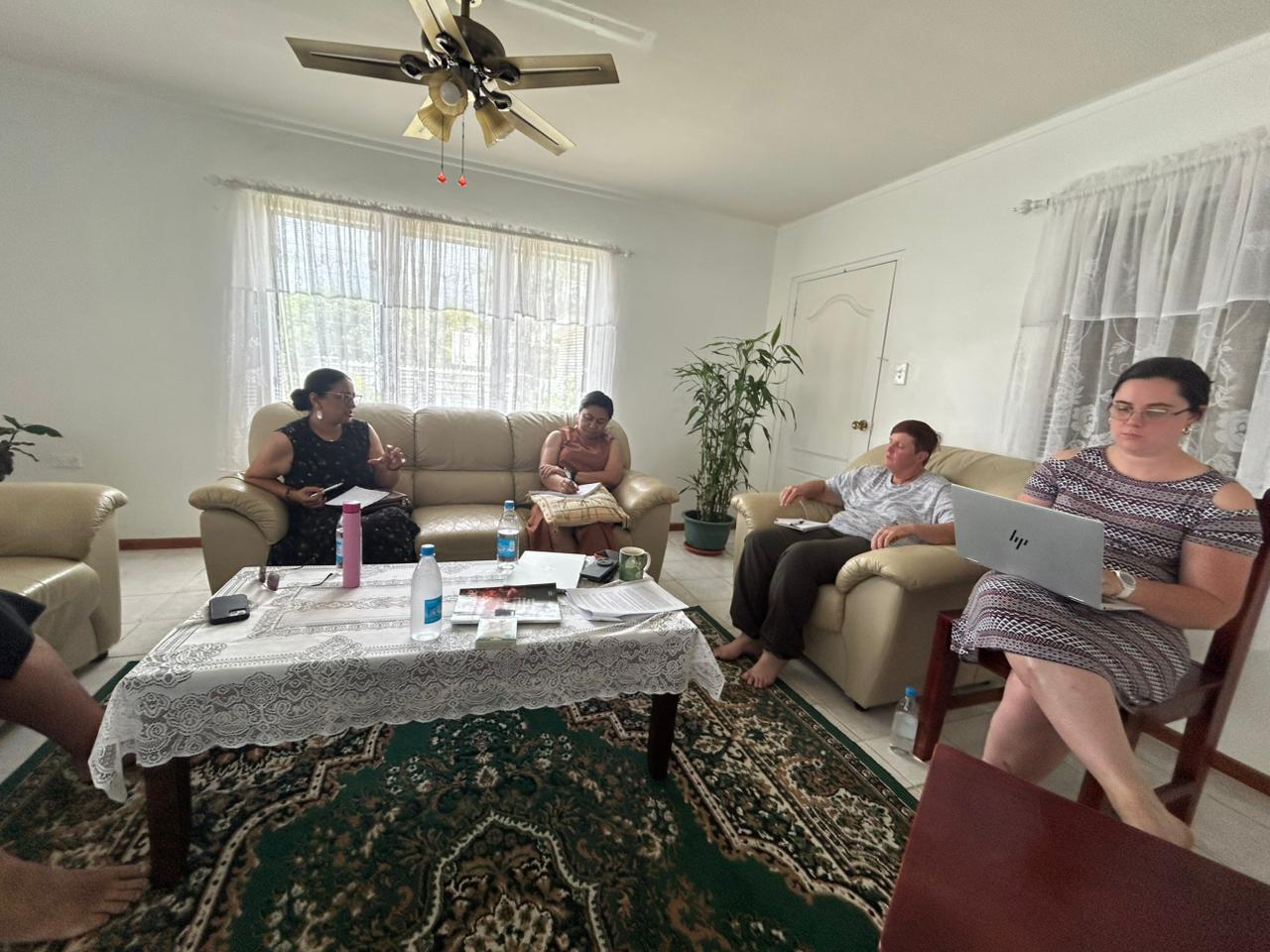
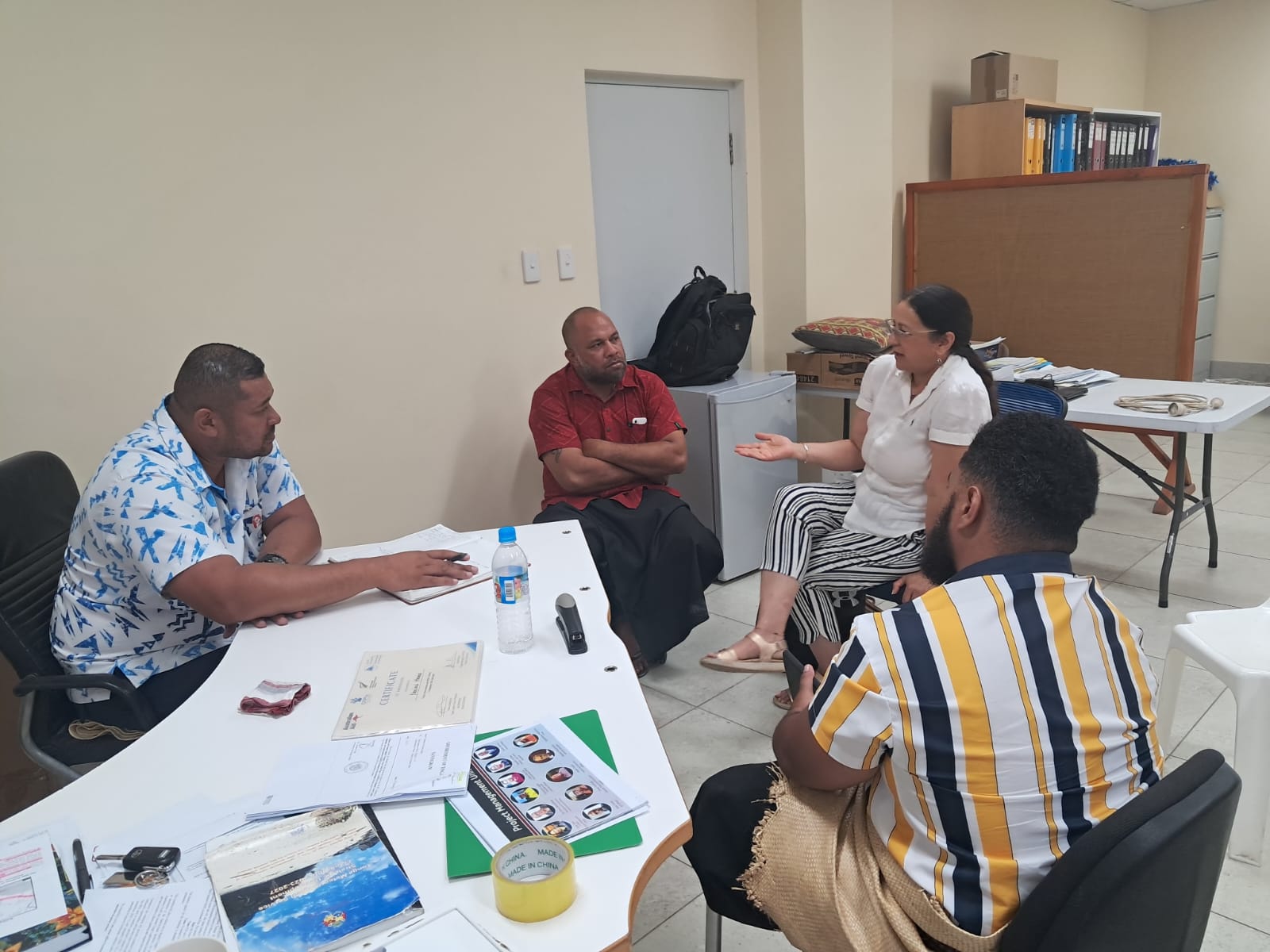
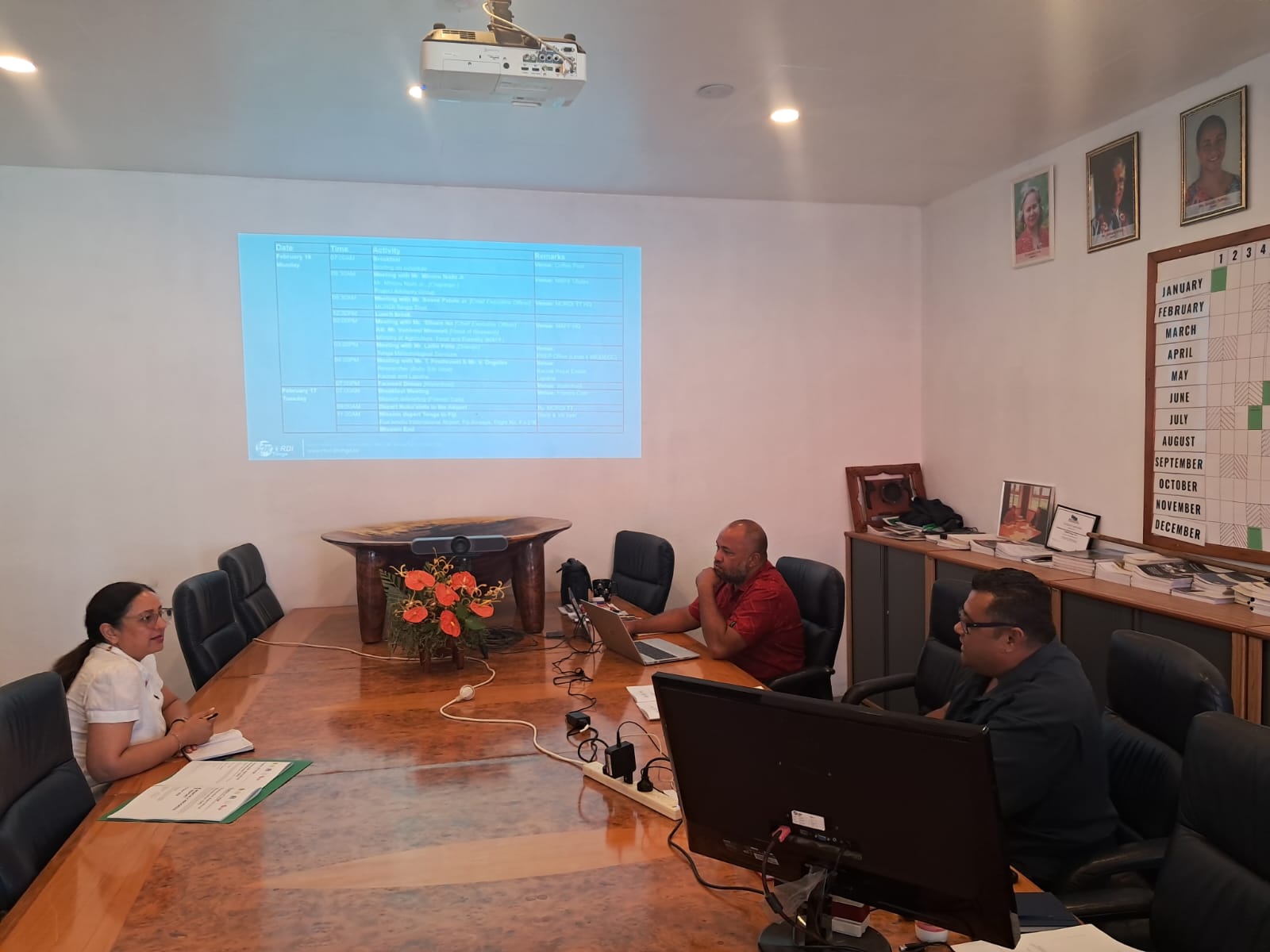
A/Prof Dorin Gupta meeting with MAFF in Tonga. -
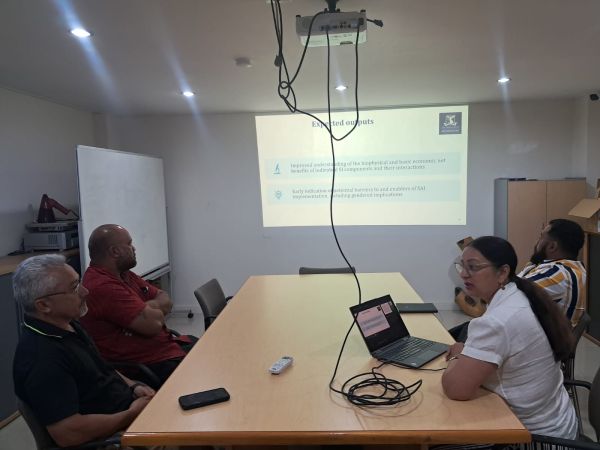
A/Prof Dorin Gupta meeting with Mr Minoru Nishi, PAC Member. -
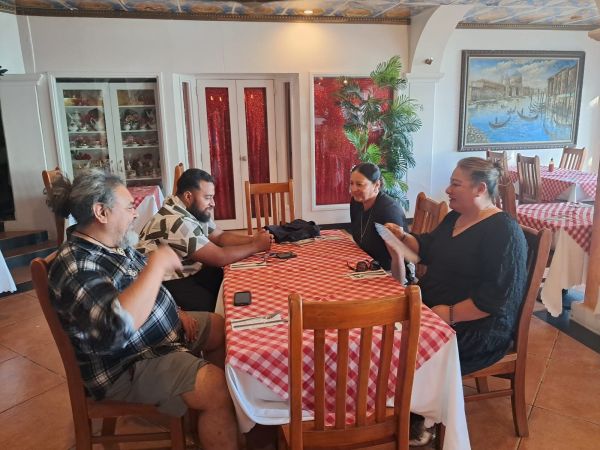
A/Prof Dorin Gupta meeting with Mrs Melesisi Finefeuiaki Vilingia, a member of the PAG. -
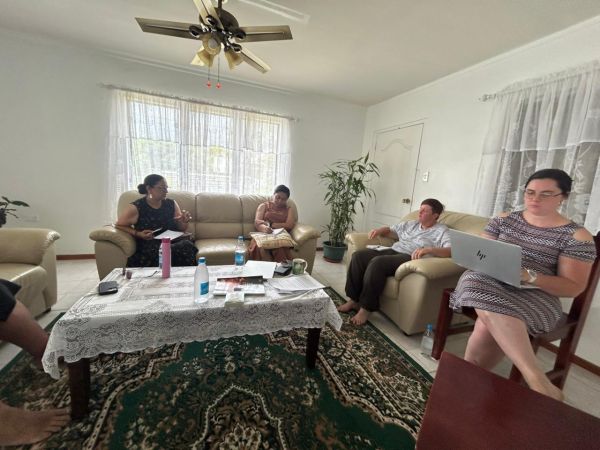
A/Prof Dorin Gupta meeting with the Bioeconomy Science Institute in New Zealand. -
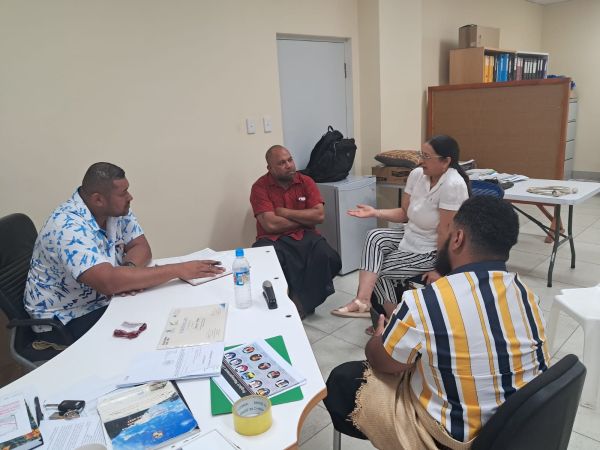
A/Prof Dorin Gupta meeting with Tonga Meteorological Services. -
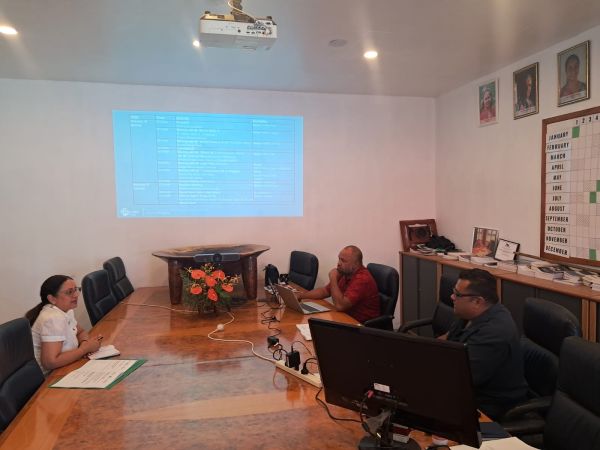
A/Prof Dorin Gupta meeting at MORDI Tonga Trust Headquarters.



Graduate research student profiles
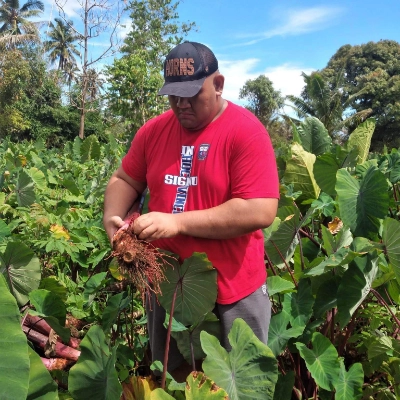
Christian-Yves Amato-Ali
Enhancing food security and resilience in taro and dairy farming systems: investigating strategies to minimise food loss in Samoa, Tonga, Australia, and Fiji.
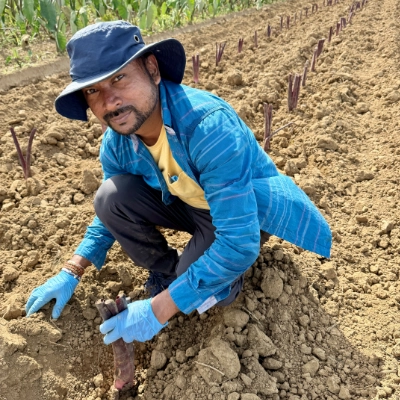
Abhineshwar Prasad
Applying the APSIM model for climate resilience and sustainable intensification of Pacific Island taro farming systems.
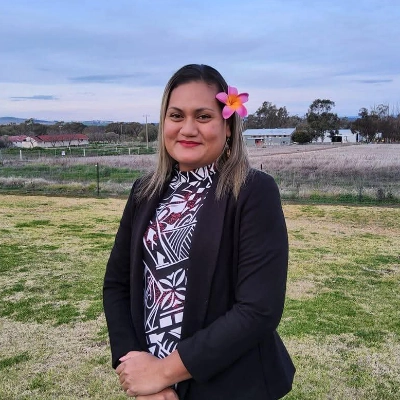
Louise Marie Malaki
Building social resilience and food security through sustainable agriculture intensification in Samoa.
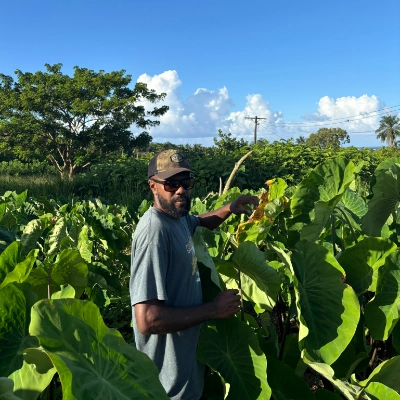
Errol Lehi
Accessing the resistance level of improved taro varieties and the mulching effect on Phytophthora colocasiae in Samoa.
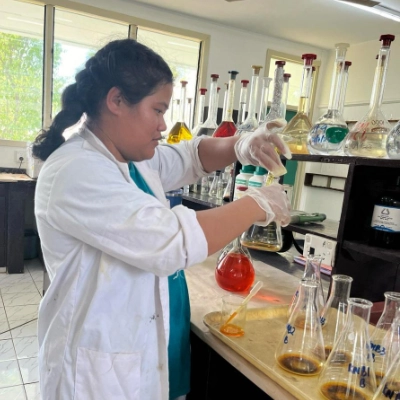
Kerinina Leaupepetele
Exploring alternative approaches for weed management and consequent yield improvement in a taro-based production system.

Sootino Marcallonlani Taungakava
The effects of leguminous mulching and sheep grazing on soil health and nitrogen availability in taro-based cropping systems in Samoa.
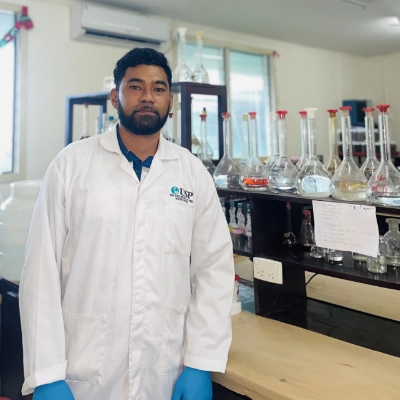
Sateki Talia
Nutritional potential of Samoan yam varieties and their vine pruning for generating planting materials.
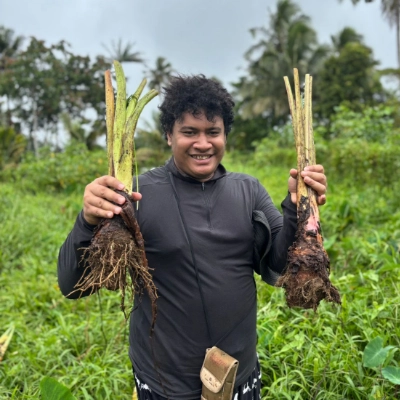
Funaki Malohi Mapapalangi
Survey and identification of common foliar diseases of yams in Samoa.
News from the project
Conference presentations
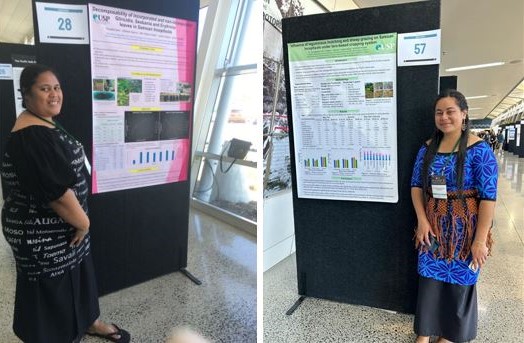
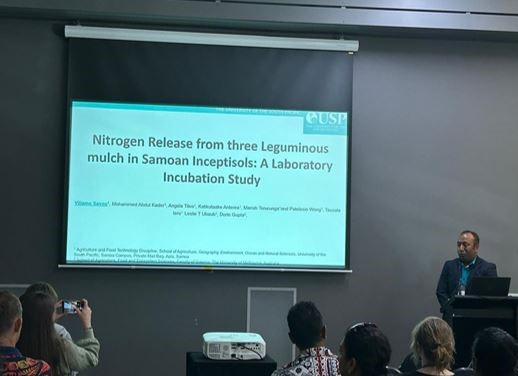
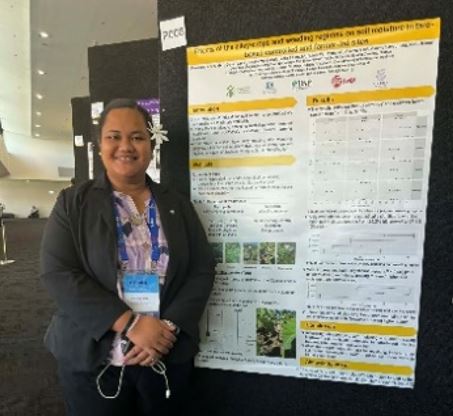
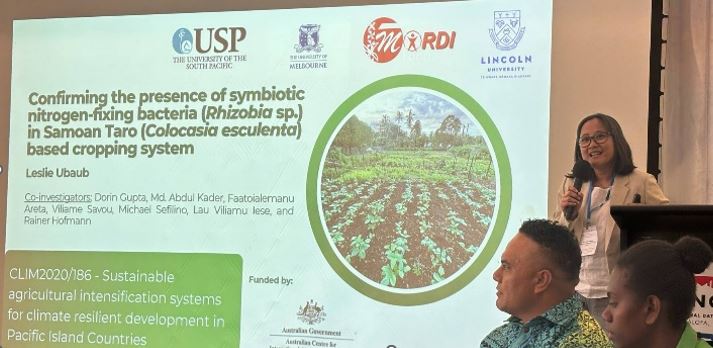
-
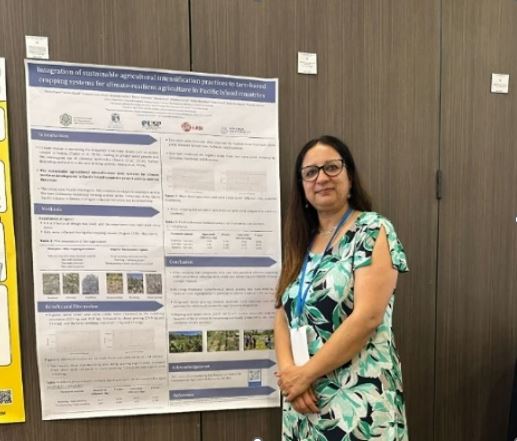
- Gupta, D., Ubaub, L., Areta, F., Enefatu, K., Hofmann, R., Iese, V., Davey, C., Munidasa, S., Diarra, S., Amosa, F., & Reeves, T. (2025). Integration of sustainable agricultural intensification practices in taro-based cropping systems for climate-resilient agriculture in Pacific Island countries [Poster presentation]. Proceedings of the Pacific Regional Research Symposium (pp. 66-67), 22-23 May 2025, Nukuʻalofa, Kingdom of Tonga.
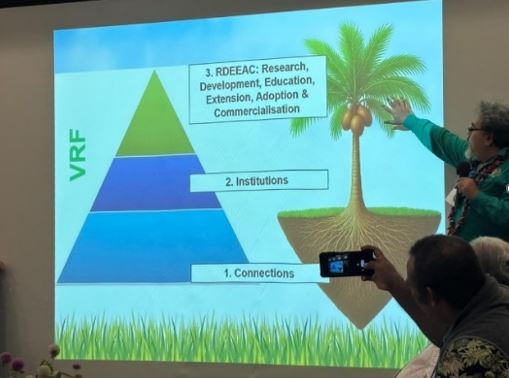
- Iese, V., Hofmann, R., Gupta, D., Reeves, T., Ugalde, D., Mekala, G., Chauhan, S. S., Ubaub, L., Kader, M. A., Diarra, S., Patolo, S., Nishi, M., Halavatau, S., Tuiafiso, S. S., Vili, T. P., Tukia, T., Finau, S., Ahome’e, T., Finefeuiaki, T., Ongolea, V., Veisa, F., O’Connor, R., Samasoni, S. M., Wairiu, M., Holland, E., Veitayaki, J., & Havea, R. (2025). Connecting the Va: A Pacific framework to build relationships for effective research partnerships [Oral presentation]. Proceedings of the Pacific Regional Research Symposium (pp. 18-19), 22-23 May 2025, Nukuʻalofa, Kingdom of Tonga.
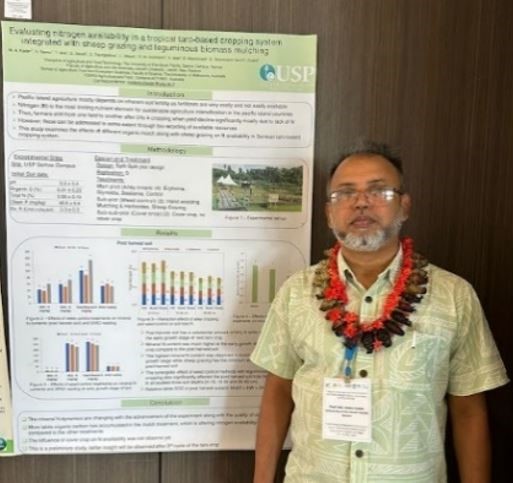
- Kader, M. A., Savou, V., Iere, T., Seuoti, D., Taungakava, S., Ubaub, L., Hofmann, R. W., Iese, V., Macdonald, B., Stockmann, U., & Gupta, D. (2025). Evaluating nitrogen availability in a tropical taro-based cropping system integrated with sheep grazing and leguminous biomass mulching [Poster presentation]. Proceedings of the Pacific Regional Research Symposium (pp. 72), 22-23 May 2025, Nukuʻalofa, Kingdom of Tonga.
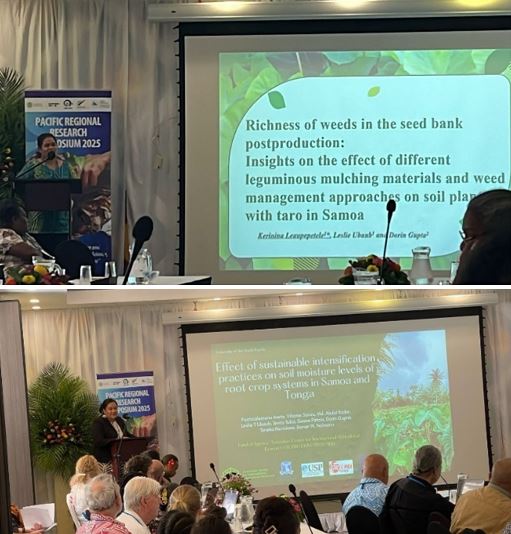
- Leaupepetele, K., Gupta, D., & Ubaub, L. (2025). Richness of weeds in the seed bank postproduction: Insights on the effect of different leguminous mulching materials and weed management approaches on soil planted with taro in Samoa [Oral presentation]. Proceedings of the Pacific Regional Research Symposium (pp. 12-13), 22-23 May 2025, Nukuʻalofa, Kingdom of Tonga.
- Areta, F., Savou, V., Kader, M. A., Ubaub, L., Tukia, T., Patolo, S., Gupta, D., Munidasa, S., & Hofmann, R. W. (2025). Effects of sustainable intensification practices on soil moisture levels of root cropping systems in Samoa and Tonga [Oral presentation]. Proceedings of the Pacific Regional Research Symposium (pp. 3-4), 22-23 May 2025, Nukuʻalofa, Kingdom of Tonga.
- Ubaub, L., Gupta, D., Kader, M. A., Areta, F., Savou, V., Sefilino, M., Hofmann, R., & Iese, V. (2025). Confirming the presence of symbiotic nitrogen-fixing bacteria (Rhizobia sp.) in Samoan taro (Colocasia esculenta)-based cropping systems [Oral presentation]. Proceedings of the Pacific Regional Research Symposium (pp. 9-10), 22-23 May 2025, Nukuʻalofa, Kingdom of Tonga.
- Malaki, L., Iese, V., Mekala, G., & Sonny, L. (2025). Sowing resilience: keyhole garden interventions in Samoa [Oral presentation], Proceedings of the Pacific Regional Research Symposium (pp. 9-10), 22-23 May 2025, Nukuʻalofa, Kingdom of Tonga.
- Areta, F., Gupta, D., Munidasa, S., Ubaub, L., Hofmann, R., Iese, V., Savou, V., & Kader, M. A. (2025). Effects of alley cropping and weeding regimes on soil moisture in taro-based controlled and farmer-led sites [Poster presentation]. TropAg Conference, 11-13 November 2025, Brisbane, Queensland, Australia.
-
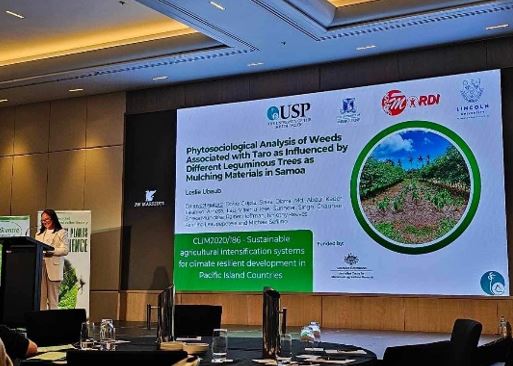
- Ubaub, L. T., Gupta, D., Diarra, S., Kader, M. A., Amosa, F., Iese, L. V., Chauhan, S. S., Munidasa, S., Hofmann, R., Reeves, T., Leaupepetele, K., & Sefilino, M. (2024). Phytosociological analysis of weeds associated with taro influenced by different leguminous trees as mulching materials in Samoa [Oral presentation]. Proceedings of the New Zealand Plant Protection Society Conference 2024 (pp. 48-49), 13-15 August 2024, Auckland, New Zealand.
- Taungakava, S., Kader, M. A., Ubaub, L. T., & Dorin, G. (2024). Influence of leguminous mulching and sheep grazing on Samoan Inceptisols under a taro-based cropping system [Poster presentation]. Proceedings of the New Zealand Society of Soil Science Conference (NZSSS) (pp. 96), 2-5 December 2024, Rotorua, New Zealand.
- Iere, T., Savou, V., Kader, M. A., Ubaub, L. T., & Dorin, G. (2024). Nitrogen release from three leguminous mulches in Samoan Inceptisols under laboratory incubation [Poster presentation]. Proceedings of the New Zealand Society of Soil Science Conference (NZSSS) (pp. 42), 2-5 December 2024, Rotorua, New Zealand.
- Savou, V., Kader, M. A., Titus, A., Anterea, K., Terurunga, M., Wong, P., Ubaub, L. T., & Dorin, G. (2024). Nitrogen release from three leguminous mulches in Samoan Inceptisols under laboratory incubation [Oral presentation]. Proceedings of the New Zealand Society of Soil Science Conference (NZSSS) (pp. 126), 2-5 December 2024, Rotorua, New Zealand.