Our ocean is in crisis. From exploitative industries depleting ocean systems and pollution overwhelming them, we are at a critical point in deciding the future of our ocean.
The Ocean Governance Research Group explores questions of current ocean governance as well as future governance imaginaries. In this way the group offers both pragmatic solutions for strengthening how we utilise the ocean today, while simultaneously looking at more radical ways of protecting the ocean.
We are currently working on projects related to ocean acidification, deep-sea mining, cultural memory, governance of the ocean commons and how the ocean is framed in policy-making.
For more information on what we do, check out who we are, our current projects, our existing publications or our news items.
News
Contact
If you are interested in joining the Ocean Gov group either as a student (masters or PhD) or collaborator, please contact Ellycia Harrould-Kolieb at ellycia.harrould@unimelb.edu.au
Banner image: Michael Matti, Flickr/Creative Commons

Meet the academics and researchers in the Ocean Governance Research Group.
Academic staff and graduate researchers
Dr Ellycia Harrould-Kolieb
I am a marine social-ecologist focused primarily on the governance of the global ocean. My research interests are broadly centred on the governance of ocean acidification, deep-sea mining, the ocean commons, and the ocean-climate nexus. My research explores architectures of governance, including treaty regimes and international organisations, and their interactions, along with the roles that scientific knowledge and problem framing play in decision-making and the uptake of environmental issues on governance agendas. My research is situated at the intersection of international environmental law, conservation biology and environmental sociology.
ellycia.harrould@unimelb.edu.auMs Maddison Miller
Maddi Miller is a Darug woman whose research looks at ways of knowing Country. She is interested in ways of bringing non-Indigenous and Indigenous sciences together to understand and care for Country, particularly through storytelling.
maddison.miller@unimelb.edu.auDr Christiaan De Beukelaer
Christiaan’s current research project Shipping in the Oceanic Commons explores both the regulatory and prefigurative attempts to clean up the shipping industry. In this capacity he focuses on both climate diplomacy at the International Maritime Organization (as both an observer and as a technical advisor to a coalition of Pacific Island states) and on the uptake of wind propulsion as an old-but-new technology to decarbonise maritime cargo transport. At the same time, he explores whether maritime transport could serve as a lever to transform global supply chains to operate within planetary boundaries. His publications include the book Trade Winds and articles in Global Policy, Climate Policy, Marine Policy, Global Sustainability, Maritime Studies, Journal of Cultural Economy, Cultural Studies, and Poetics. This work is supported through multi-year funding by the US-based ClimateWorks Foundation.
chr.db@unimelb.edu.au +61390353709
Christina Netta
Chris is a Master of Environmental Science student with a research project on the socio-cultural framework of leatherback turtle use and conservation in Buru Island, Indonesia. While originally Indonesian, she has also grown up in Toronto and called New York City home. Prior to her masters, Chris studied marine conservation and documentary filmmaking for her undergraduate degree at New York University; this included a two-month research project on marine plastics in the Pacific Ocean aboard a brigantine sailboat. Her professional experience includes working at WWF-Coral Triangle Programme on coral reef ecosystem and marine turtle conservation and UNDP on sustainable tuna fisheries. Chris is also currently involved in a documentary project examining Indonesia’s complex relationship with sharks.
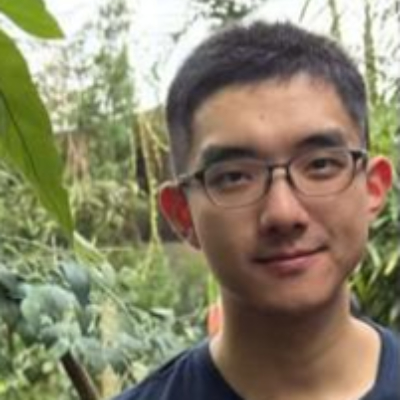
Jingjie Wang
Hi, my name is Jingjie Wang, student of Master of Environmental restoration and conservation. For my Environmental research review, I am working on the Hazards to deep-sea ecosystems from deep-sea mining of polymetallic nodules, to further explore potential threats to the marine environment from deep-sea mining. The oceans are vital to the planet and humanity, and any potential impacts that could harm it should be halted and cancelled.

Ms Lara Skerratt
Since graduating from her Bachelor of Arts focused on anthropology and journalism at the University of Melbourne last year, Lara is working as a research assistant at the University of Melbourne in the School of Agriculture, Food and Ecosystem Sciences. She is currently investigating how the ocean is framed in international policy, and the potential of applying a more-than-human framework to ocean governance. She is also working with the Melbourne Biodiversity Institute and the Taungurung Lands and Waters Council on how to best support First Nations peoples care for Country in the current policy landscape and providing recommendations for legislative change.
skerratt.l@unimelb.edu.au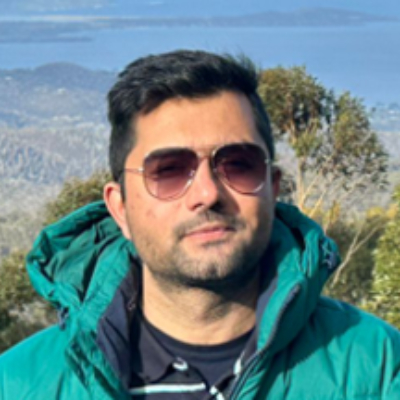
Nowsherwan Ali
This is Nowsherwan Ali. I am an Australia Awards scholar from Pakistan, pursuing my Master of Environment degree at the University of Melbourne. I have more than 8 years’ experience working with the government of Pakistan in different capacities. My master’s degree research project is titled Exploring the Implications of Closing Fisheries on the High Seas for Climate Change Mitigation. During my research, I shall be assessing the impacts of high seas fisheries closure on climate change mitigation, other associated benefits of the proposed closure and the potential barriers in achieving global agreement on stopping fishing activity on the high seas.
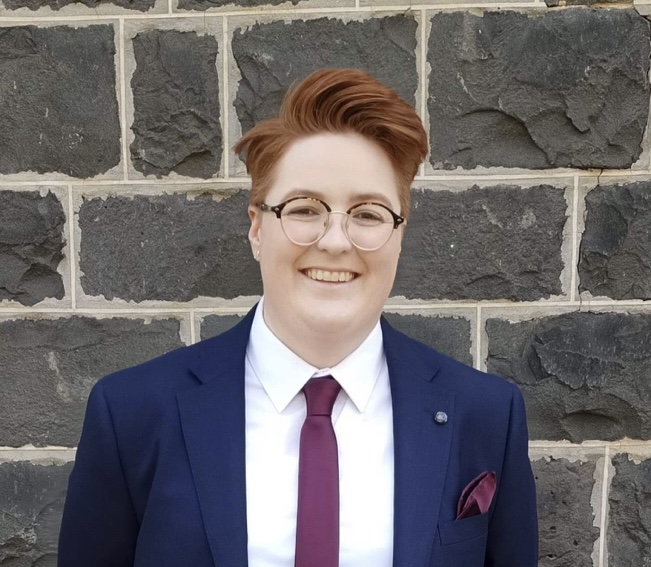
Rhiannon Stute
Rhiannon is a Master of Ecosystem Management and Conservation student with more than 6 years’ experience working with the Victorian government in different capacities. Rhiannon is interested in how policy, science and knowledge systems interact to shape conservation outcomes.

Matthias Schmid
Matthias Schmid is an interdisciplinary marine researcher working at the intersection of ocean governance, ecology, and environmental storytelling. His research has a strong focus on seaweed and kelp forest ecosystems, including work on species distribution, seaweed mapping, response to climate change, and the role of kelp in supporting biodiversity and climate resilience. His current work focuses on governance approaches to marine climate action, exploring how scientific knowledge can inform more just, inclusive, and effective responses to climate change in ocean systems.
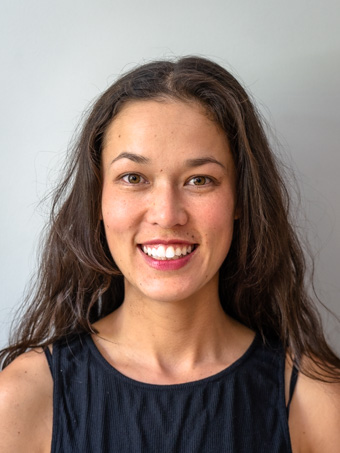
Dr Zali Fung
Zali is a human geographer and political ecologist whose research examines contested resource extraction and uneven development. Her research focuses on the (geo)politics of proposed hydropower developments in Southeast Asia’s transboundary river basins, and community responses and resistance to these projects. Zali has also developed environmental policy, including marine and freshwater policy, for the New South Wales (Australian) Government, and conducted policy-oriented research on controversies around land-based carbon offsetting for Greenpeace Australia Pacific.

Dominique Nicole Sen
Dom is a Master of Environment student specialising in Development at the University of Melbourne. Born and raised in the Philippines, her academic interests revolve around community development and environmental sciences, with a particular focus on the intersections of social and environmental issues in the world today. To further understand how environmental challenges disproportionately affect different communities, she is currently conducting research on ocean acidification and its potential impacts on indigenous communities around the globe.
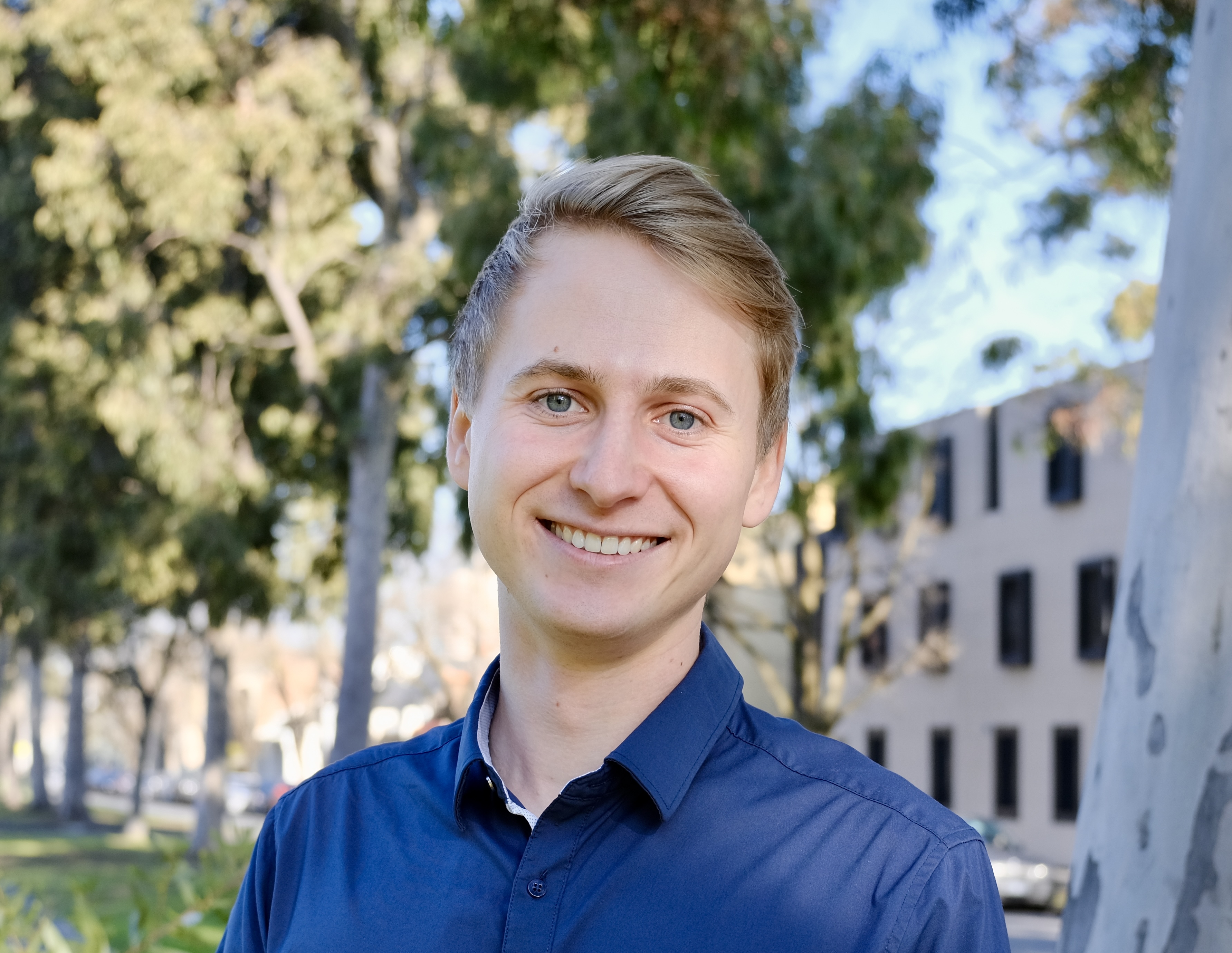
Sam Netherclift
Sam is an early-career researcher and former Master of Environment student. With a background in environmental sciences, he specialised in public health during his Master’s, and has broad interests in the intersection between the disciplines. His research investigates the health co-benefits of ocean-based climate action.
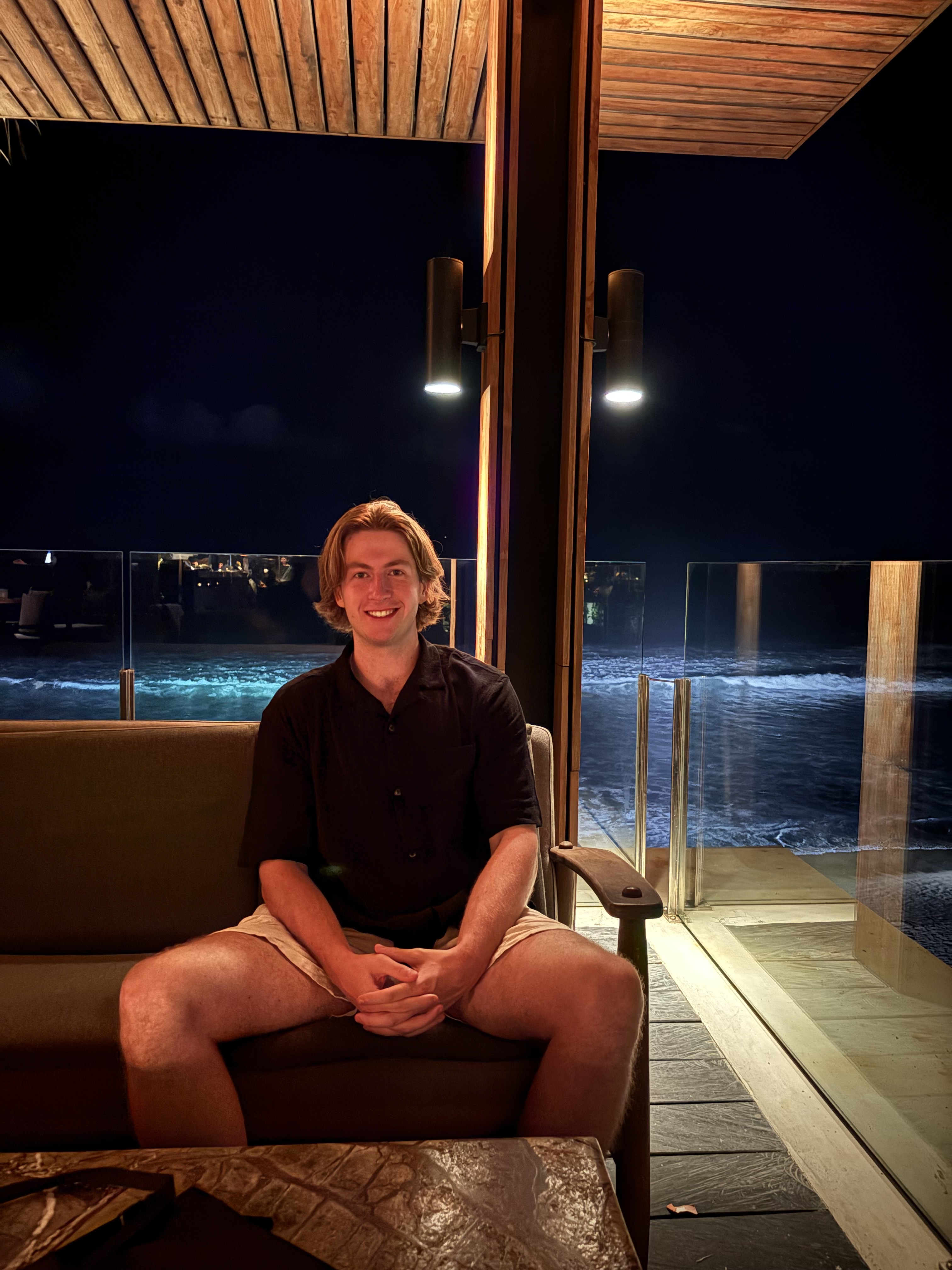
Nicholas Wrait
Nicholas Wrait is a recent Master of Geography graduate from the University of Melbourne, where his studies focused on environmental policy, development studies, and urban sustainability. His current research examines the relationship between private enterprise and Pacific Island states in the governance of deep-sea mining, focusing primarily on the strategic role of Nauru and its sponsorship arrangement with The Metals Company within the International Seabed Authority framework. Alongside this, he currently works as a Research Assistant investigating the integrity of Australia’s carbon credit scheme, with a focus on land-based offset mechanisms. His broader interests lie in urban political economy and international relations — particularly how power operates across different scales to shape the way cities, environments, and resources are governed.
Collaborators

A/Prof Aaron Strong
Aaron L. Strong is an Associate Professor of Environmental Studies and Director of the Environmental Studies Program at Hamilton College in Clinton, NY, USA. His research and teaching focus on the human dimensions of the climate crisis, with a focus on ocean climate change, and he has published widely about ocean acidification, coastal carbon cycling and international ocean governance. He was formerly faculty in the School of Marine Sciences at the University of Maine. He received his PhD in Environment and Resources from Stanford University and holds a Masters in Law and Diplomacy from the Fletcher School at Tufts University.
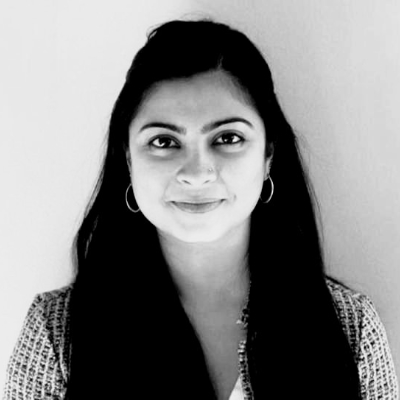
Anindita Chakraborty
Anindita Chakraborty is a policy specialist currently working on The Pew Charitable Trusts’ ocean governance project, where she focuses on deep-seabed mining and its impact on marine ecosystems. Anindita has a background in advising governments on global environmental policy, having previously served as an advisor to the Alliance of Small Island States on multilateral environmental negotiations at the United Nations on ocean conservation and sustainable development.

Dr Anita Talberg
Anita Talberg has worked across industry, government and academia developing and advocating for evidence-based approaches to climate and energy policy. She has an Engineering degree and Masters of Climate Change from the Australian National University and a PhD in climate engineering governance from the University of Melbourne.
talberg.a@unimelb.edu.au
Dr Annika Frosch
Annika Frosch is a research fellow at UCL’s Shipping and Oceans Research Group, focusing on ocean governance. Her PhD at the European University Institute, funded by the DAAD, examined governance responses to ocean acidification as a complex scientific issue. In addition to ocean acidification, she monitors IMO negotiations and provides technical advice to the Caribbean region. Her interdisciplinary research combines law, science, and political science, using case studies and interviews. Annika has held visiting positions at UCD, UCL, and NUS. She is also an international policy consultant at the OA Alliance and an assistant editor at Transnational Environmental Law.
Dr Benjamin Henley
Dr Benjamin Henley is a Lecturer at the University of Melbourne, focusing on understanding climate variability and climate change and their impacts in the Southern Hemisphere. He uses coral, tree-ring and ice core palaeoclimate records, along with observations and climate model simulations, to provide long-term context for recent climate change. His research supports improved projections of future climate risks and informs climate adaptation and resilience. Dr Henley collaborates with government, industry and community stakeholders to translate scientific knowledge into practical solutions. Dr Henley contributes widely to major scientific initiatives, international assessments and high-impact research on climate change, water resources, coral reefs and Antarctica’s environment.
bhenley@unimelb.edu.au +61383447997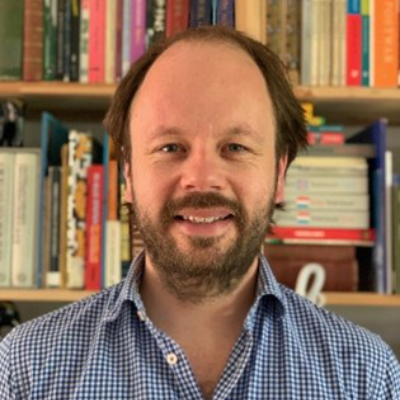
Dr Erik van Doorn
Erik van Doorn is a lecturer at the Australian National Centre for Ocean Resources and Security (ANCORS) at the University of Wollongong. He studied law and international relations at the University of Groningen, Utrecht University, and the University of Tromsø. Erik worked at the International Tribunal for the Law of the Sea, at the Walther Schücking Institute for International Law at Kiel University and at the GEOMAR Helmholtz Centre for Ocean Research Kiel. His research focuses on the international legal aspects of marine resources, the marine uptake of carbon dioxide and ocean observing.

Inken Dressler
Inken Dressler successfully completed the Joint Nordic Master Programme in Environmental Law (NOMPEL), where she was awarded a Master of Legal Science from Uppsala University, a Master of International and Comparative Law from the University of Eastern Finland, and a Master of Laws from the Arctic University of Norway (UiT). She is a consultant at the OA Alliance, where she functions as the European Project Lead, Policy & Legal Research Fellow. Her research focuses on the incorporation of ocean acidification (OA) information and responses into the legal and regulatory frameworks of the EU, and the nexus between food security and OA.

Jessie Turner
Jessie Turner is the Executive Director of the International Alliance to Combat Ocean Acidification (OA Alliance). A voluntary initiative of national and subnational governments, the OA Alliance works to raise ambition for climate action and transform the global response to climate-ocean change. Jessie served as lead facilitator to the Pacific Coast Collaborative (PCC)’s Ocean Acidification and Hypoxia Working Group between 2014 and 2023. Jessie has 15 years of experience working in public policy development, advocacy, and stakeholder engagement at local to international scales. She has worked on wide-ranging issues, including affordable homeownership, healthcare, energy efficiency, food waste, climate, and marine policy.
Dr Kate Dooley
Kate Dooley is a political geographer whose research looks at the politics of land-use in climate mitigation policies and equitable approaches to land transitions. Kate received a PhD from the University of Melbourne and is currently an ARC DECRA Senior Research Fellow in the School of Geography, Earth and Atmospheric Sciences. Kate was the lead author of the 2022 Land Gap Report which provided the first global assessment of land area in national climate mitigation pledges. Her research aims to provide a better evidence base for climate policy on land-based mitigation options and how these are integrated into climate mitigation targets. She serves on the Natural Ecosystems Advisory Board for the Minderoo Foundation and is an expert advisor to Climate Integrity.
kate.dooley@unimelb.edu.au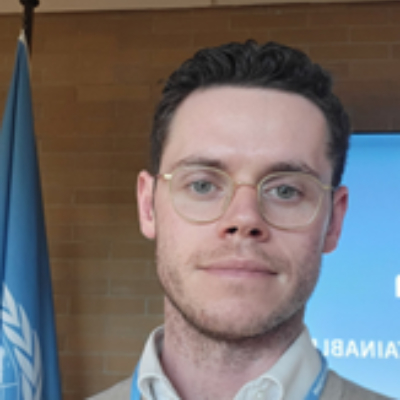
Dr Mitchell Lennon
Dr Mitchell Lennan is a Lecturer in Law at the University of Aberdeen. His research focuses on the international regulation of marine biodiversity in the face global environmental change. His PhD focused on the international legal issues arising from climate-driven shifts in the distribution of fish stocks. Mitchell was previously a Researcher with the UKRI GCRF One Ocean Hub, where he worked on inclusive ocean governance. He also holds a BSc (Hons) and MSc in Marine Biology and an LLM in International Environmental Law. Mitchell is Assistant Editor of the International Journal of Marine and Coastal Law.
A/Prof Rachel Carey
Dr Rachel Carey is a Senior Lecturer in Food Systems in the School of Agriculture, Food and Ecosystem Sciences (SAFES) at the University of Melbourne. Her research focuses on policy and governance approaches for resilient and sustainable food systems, with a particular emphasis on food system resilience in the face of climate change. Rachel has a PhD from the University of Manchester and an MSc in Food Policy from City University, London. She is a member of the Advisory Committee to the UNESCO Chair in Food, Biodiversity and Sustainability Studies and a member of the Editorial Board of the journal Agriculture and Human Values.
rachel.carey@unimelb.edu.au +61383441567Organisations and networks

Combat Ocean Acidification

Atmosphere Study


on Environmental Law

Society of International Law
and the Environment
Futures
Institute
Research projects
Ocean acidification and food security
This project is a world first in uniting the disparate fields of ocean acidification and food security and examining their interactions. It is increasingly acknowledged that climate change poses an acute threat to food security, yet little is understood about the role that ocean acidification plays in this threat. Much work is needed to clarify the risk that ocean acidification presents to food security and what can be done to abate it.
The impacts of OA on food security are profound, particularly affecting the stability, sustainability and availability of blue foods from the sea (BFFS) as the ongoing degradation of marine environments compromises their capacity to recover and adapt to changing conditions. This is especially consequential as there is a growing recognition that BFFS are critical sources of protein and nutrients and contribute in substantial ways to global food security.
This project examines how OA is likely to affect food security and explores various governance options for better recognition of and action to address this threat.
Project supported by funding from Dyason Fellowship and in-kind support from the OA Alliance.
Ocean frames in multilateral processes
Dr. Seuss famously wrote, “I am the Lorax. I speak for the trees. I speak for the trees, for the trees have no tongues.” But who, this project asks, speaks for the ocean? And what do they say?
The ocean and how we govern it is necessarily discussed in a multitude of international forums, ranging from shipping and trade to climate change and marine biodiversity. Yet, within each of these discussions, there is no single voice that speaks on behalf of the ocean, rather, various state and non-state actors do so according to their own interests and values. In doing so, they deploy various frames that tell us about how they understand the ocean and their relationship with it.
The aim of this project is to identify how and by whom the ocean is framed in multilateral processes and to interrogate how these frames are used to promote particular interests as represented by various forms of governance.
Project supported by funding from the University of Melbourne Early Career Researcher Grant.
Cultural memory and ocean change
Climate change is one of the largest threats facing the ocean today, of its impacts, ocean acidification remains the least understood in terms of biodiversity impacts and flow-on effects to human communities. A greater understanding of these impacts is needed to develop ocean acidification action plans and to help affected communities adapt.
To date, only one commercial venture (Whisky Creek Shellfish Hatchery, Oregon, USA) has been widely documented as being impacted by ocean acidification. There is, however, anecdotal evidence to suggest that Indigenous and traditional communities have experienced the likely impacts of ocean acidification, such as shells used in traditional necklace making becoming smaller, less shiny and more brittle.
These communities share a cultural memory of ocean change from prior to the Industrial Revolution that can potentially form a vital line of evidence in our understanding of the extent of ocean acidification impacts. These stories may be able to fill a substantial knowledge gap in our understanding of both ecological and human impacts from ocean acidification and, in doing so, enable on-the-ground responses to ocean acidification to be developed. This project is an effort to collect stories of ocean change from Indigenous and traditional communities from around the world. This project will form an integral component of a larger project that is developing other lines of evidence for the attribution of ocean change to ocean acidification, including local model backcasting and shell proxies for pH change.
Ocean governance paradigms and their future imaginaries
It is time to transform our relationship with the ocean from one of exploitation to one of reciprocity. This means recognising the ocean’s own rights and needs, and reshaping governance accordingly. It means viewing ourselves not as owners of the ocean, but as one participant in a larger community of life that the ocean sustains. Such a shift is ambitious, but examples like the global push for marine protected areas, the legal rights granted to nature in some jurisdictions, and the successful inclusion of “harmony with nature” in international biodiversity goals show that change is underway.
The ocean commons, upon which we all depend, can become a space of collaboration and care rather than conflict and neglect. The task now is to build on these emerging ideas—legal personhood for the ocean, ecocentric interpretations of treaties, indigenous co-management—and ensure they are implemented. In doing so, we can avert the tragedy that Hardin feared, not by enclosing the commons, but by enlarging our circle of responsibility. The future of the ocean depends on humanity’s capacity to move beyond the paradigms of the past and forge a relationship with the sea that is founded on justice, respect, and mutual flourishing.
Project supported by funding from the Melbourne Biodiversity Institute Seed Funding Grant.
ARC Linkage Project - Rights for Reefs
Dr Ellycia Harrould-Kolieb, Associate Professor Anna Arstein-Kerslake, Associate Professor Erin O'Donnell, Professor Tiffany Morrison and Ms Maddison Miller will investigate the potential for Australia's major reef systems - the Great Barrier Reef, Ningaloo Reef, and Great Southern Reef - to be recognised as legal entities through environmental personhood.
Publications
Harrould-Kolieb, E. (forthcoming) Fit-for-Purpose or Fit-for-Industry? Exploring Systemic Institutionalisation of Corporate Capture in the International Seabed Authority. In C. Noel Brunnschweiler and P. Lujala (Eds.) Handbook on Transparency and Accountability in Natural Resource Governance. Edward Elgar Publishing. Accepted version here
Lily, H., Robb, S. & Harrould-Kolieb, E. (2026) Navigating private-sector contractor participation at the International Seabed Authority. U4 Anti-Corruption Resource Centre. Short version here
Harrould-Kolieb, E. et al. (2026) Policy Brief: Ocean Acidification & Food Security. Ocean Acidification Alliance.
Gupta. A. et al. (2025) Climate transparency's unmet promises: A necessary stocktaking. PLOS climate
Falk, J. et al. (2025) Emerging threats from climate change on our oceans demand proactive action. Sustainability Science
Young, M., Peel, J, Harrould-Kolieb, E., Felson, J. (2024) ITLOS' Climate Opinion: What's its significance? MCF Discussion Paper
Pickens, C., Lily, H., Harrould-Kolieb, E., Blanchard, C., Chakraborty, A. (2024) From what-if to what-now: Status of the deep-sea mining regulation and underlying drivers for outstanding issues. Marine Policy
Harrould-Kolieb, E.R. (2024) Warming, Rising, and Acidifying: Climate Change Impacts on the Ocean. In D. Fiorino, E. Eisenstadt, and M.K. Ahluwalia (Eds), Encyclopedia of Climate Policy, Elgar.
Morgera, E. et.al. (2023) Ocean-based Climate Action and Human Rights Implications under the International Climate Change Regime, The International Journal of Marine and Coastal Law
Harrould-Kolieb, E.R. & Stephens, T. (2023) Ocean Acidification. In R. Rayfuse, A. Jaeckel, N. Klein & B. Milligan (eds), Research Handbook on International Marine Environmental Law (2nd Edition), Edward Elgar.
Blanchard, C., Harrould-Kolieb, E., Jones, E., & Taylor, M.L. (2022) The Current Status of Deep-Sea Mining Governance at the International Seabed Authority, Marine Policy.
Harrould-Kolieb, E.R. (2022) Implications of the Paris Agreement for Ocean Acidification. In D.L. VanderZwaag, N. Oral and T. Stephens (Eds), Research Handbook on Ocean Acidification, Edward Elgar.
Harrould-Kolieb, E.R. & Stephens, T. (2022) Australian law and policy responses to ocean acidification. In D.L. VanderZwaag, N. Oral and T. Stephens (Eds), Research Handbook on Ocean Acidification, Edward Elgar.
Harrould-Kolieb, E.R. (2021) Enhancing Synergies Between Action on Ocean Acidification and the Post- 2020 Global Biodiversity Framework. Conservation Biology.
Dooley, K., Harrould-Kolieb, E.R. & Talberg, A. (2020) Carbon-dioxide removal and biodiversity: A threat identification framework. Global Policy.
Harrould-Kolieb, E.R. (2020) The UN Convention on the Law of the Sea: A governing framework for ocean acidification? RECIEL: Review of European, Comparative & International Law.
Leonard, S., Harrould-Kolieb, E., Reyes, O., Torres, J. & Crespo, E. (2020) Scaling-up Ecosystem-based Debt-for-Climate Swaps: From the Millions to the Billions. Heinrich Böll Foundation, Center for Sustainable Finance (SOAS, University of London), and Global Development Policy Center (Boston University).
Harrould-Kolieb, E.R. (2019) Framing Ocean Acidification to Mobilise Action Under Multilateral Environmental Agreements. Environmental Science & Policy.
Harrould-Kolieb, E.R. (2019) (Re)Framing ocean acidification in the context of the United Nations Framework Convention on Climate Change (UNFCCC) and Paris Agreement. Climate Policy.
Harrould-Kolieb, E.R. & Hoegh-Guldberg, O. (2019) A governing framework for international ocean acidification policy. Marine Policy.